





























































Let's Get to Work
=
INFO@FADETOBLACK.IO
=
LETS Tell Your STORY
=
INFO@FADETOBLACK.IO
=


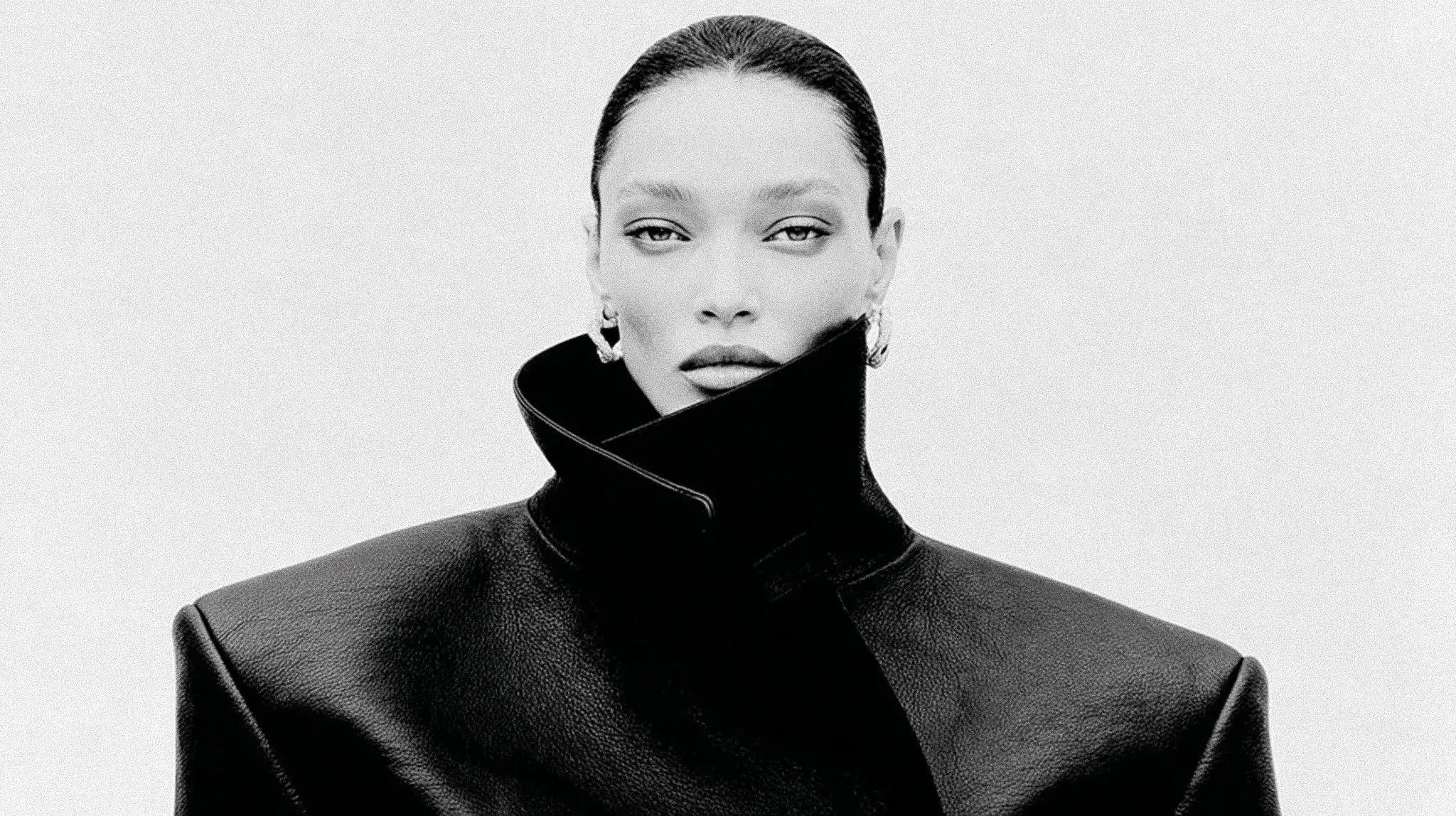
Brands can use AI influencers and virtual models, but only where the audience does not need a real human to believe the message. They work well for product visualisation, concept testing, campaign variations and stylised brand worlds. They work poorly wherever trust depends on lived experience: testimonials, recommendations, expertise and anything that sounds like a personal opinion. And wherever they are used, they need to be clearly labelled.
Virtual influencers are not new. Lil Miquela has been posting as a computer generated character since 2016 and has worked with major fashion labels. What has changed is the cost and speed of production. Generative tools now let almost any brand create a consistent synthetic person in days, which is exactly why the question deserves a clear answer instead of an experiment by default.
Influencer marketing works because people trust people. A recommendation carries weight because someone with a real life, real skin and a real reputation stands behind it. A synthetic person saying that a serum changed their skin is not a testimonial, it is an advertisement dressed as one, and audiences increasingly notice. The backlash risk is highest in categories where the product promise is physical: beauty, health, fitness, food.
There is also a quieter cost. A virtual model trained to look like an ideal makes your brand look like every other brand using the same tools. Distinctiveness, the thing premium brands pay for, comes from specific people, specific places and specific light. We discuss this balance in more depth in AI images or photography.
Meta and TikTok both require realistic AI generated or significantly altered content to be labelled, and both apply their own labels when they detect it. Unlabelled synthetic content that looks real can be restricted or removed. Use the built in disclosure tools rather than hoping nobody notices.
The EU AI Act introduces transparency obligations for AI generated and manipulated content in Article 50, applying from August 2026. In short, content that realistically depicts people who do not exist or things that did not happen must be disclosed as artificially generated. Details and possible transition rules are still being clarified, so check the current status with legal counsel before a campaign goes live.
A virtual influencer does not change the basics. Paid content must be recognisable as advertising, and product claims must be true. If a synthetic model presents results the product cannot deliver for real people, that is misleading regardless of who or what delivers the line.
Use virtual models where you would otherwise use a mannequin, a render or a mood board. Use real people where you would otherwise need a witness. Label generously, keep a human face for your expertise and testimonials, and for founder led brands remember that the most credible face is often your own, as we describe in personal branding for managing directors.
FADETOBLACK combines editorial photography and video with generative AI production, and helps brands decide where each one belongs. If you are considering AI models or a virtual brand figure, Book a free initial consultation.
