































Let's Get to Work
=
INFO@FADETOBLACK.IO
=
LETS Tell Your STORY
=
INFO@FADETOBLACK.IO
=


A successful corporate podcast does not start with the question of which microphone to buy. It starts with a decision: which question in your audience's mind are you going to own. Answer that precisely and the podcast builds authority no advertising format can match. Skip it and you produce competent episodes that nobody has a reason to find. What follows are the five phases, in the order they actually have to happen.
One topic, one audience, one point of view. The podcast needs a niche in which your company is credibly the first name that comes to mind, and a title that stakes out that niche rather than describing your industry.
The test is simple. Can you say in one sentence who the show is for and what it answers better than anyone else? If the sentence contains the words "and also", you have two shows and should pick one.
Most corporate podcasts fail here, quietly, months before anyone notices. They are pitched as "conversations with interesting people from our sector", which is not a position. It is a description of a recording setup.
Interview, solo, or a mix. Twenty to sixty minutes. A fixed publishing rhythm and the same recognisable structure in every episode, so a returning listener knows where they are.
Consistency beats perfection by a wide margin. Two strong episodes a month sustained for a year beat a weekly launch that dies after eight weeks, both for the audience and for the algorithms that decide who else sees it.
Decide the rhythm against your worst month, not your best. The correct frequency is the one you can still hold in the middle of a difficult quarter.
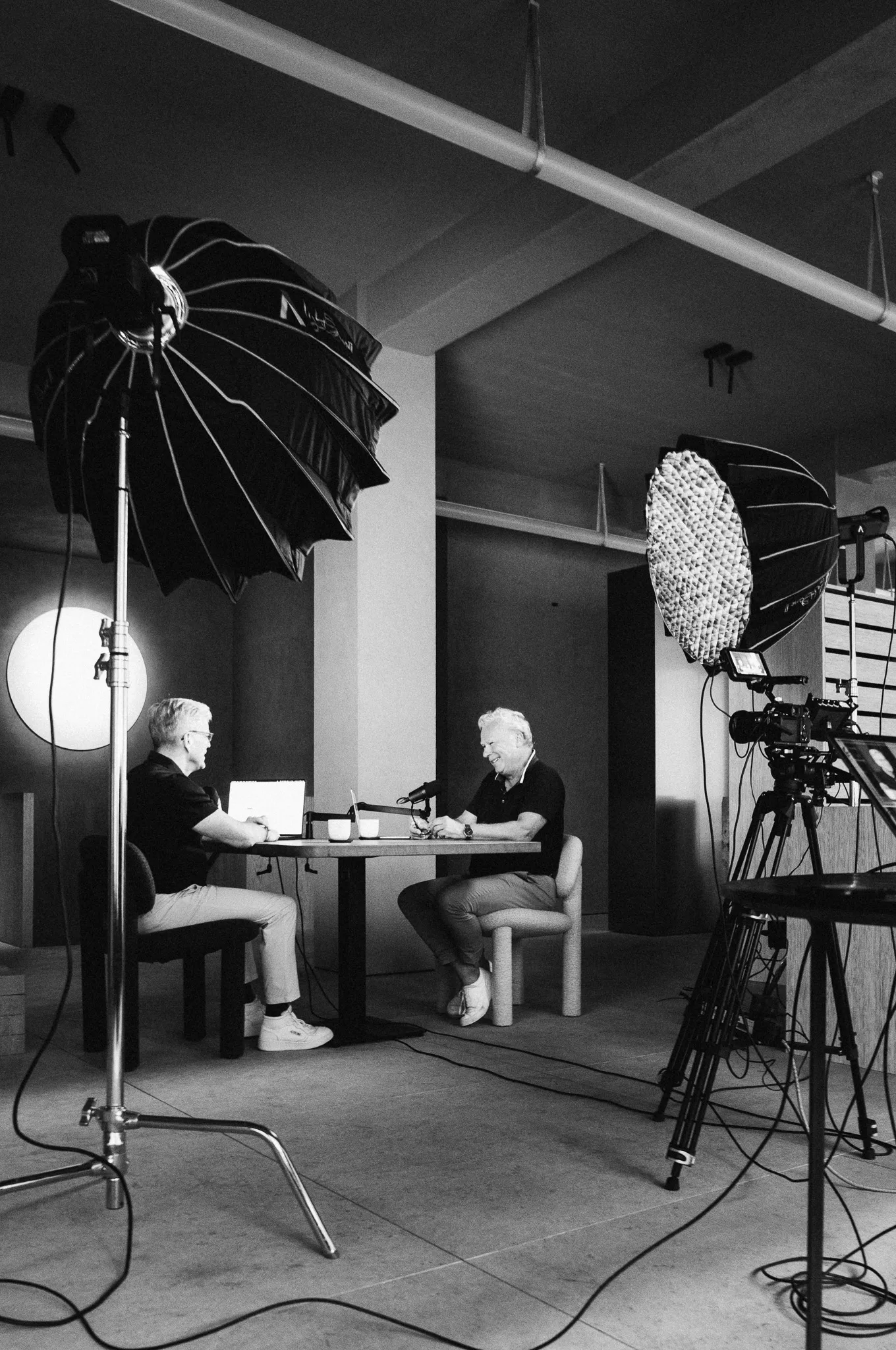
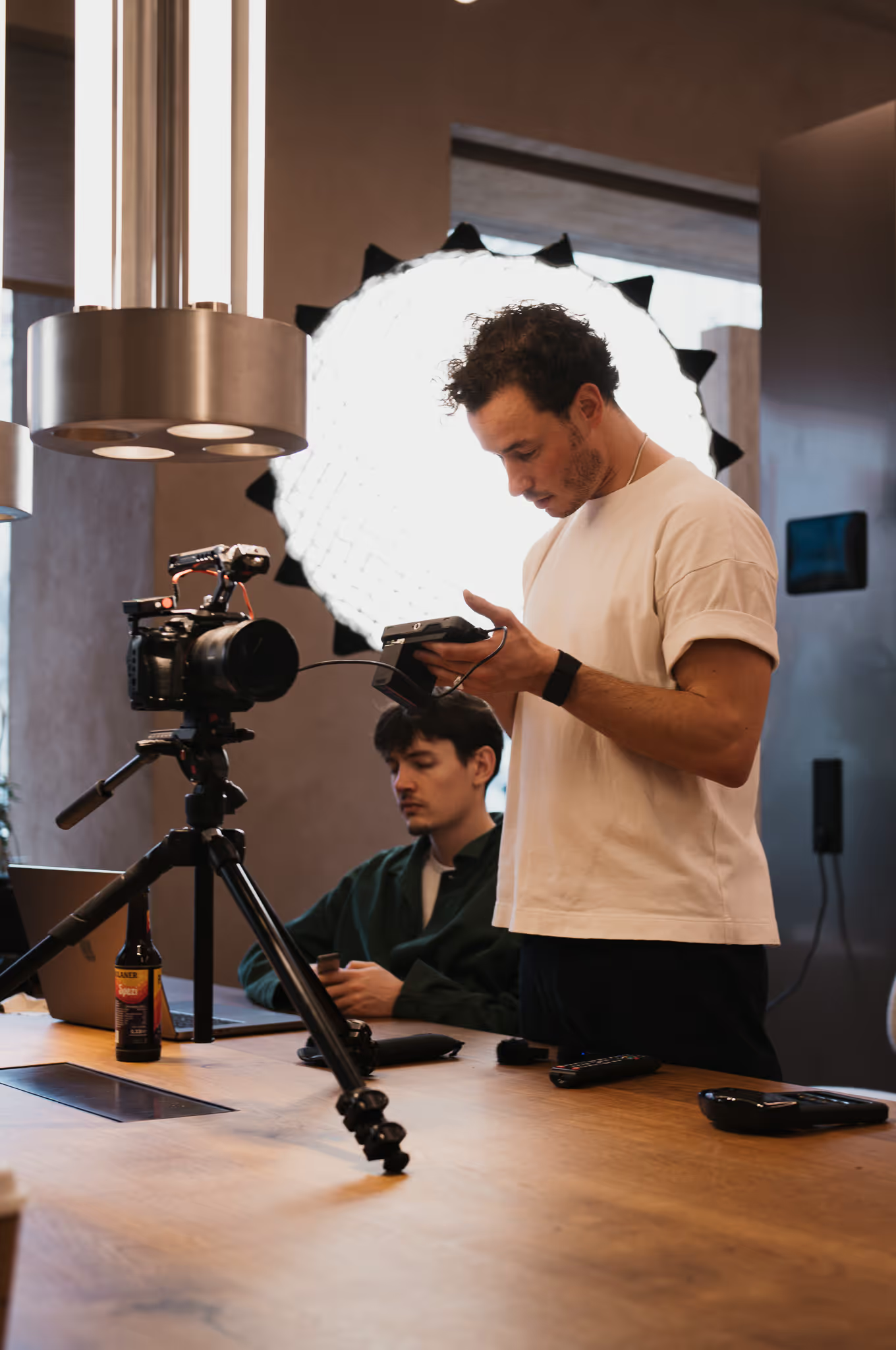
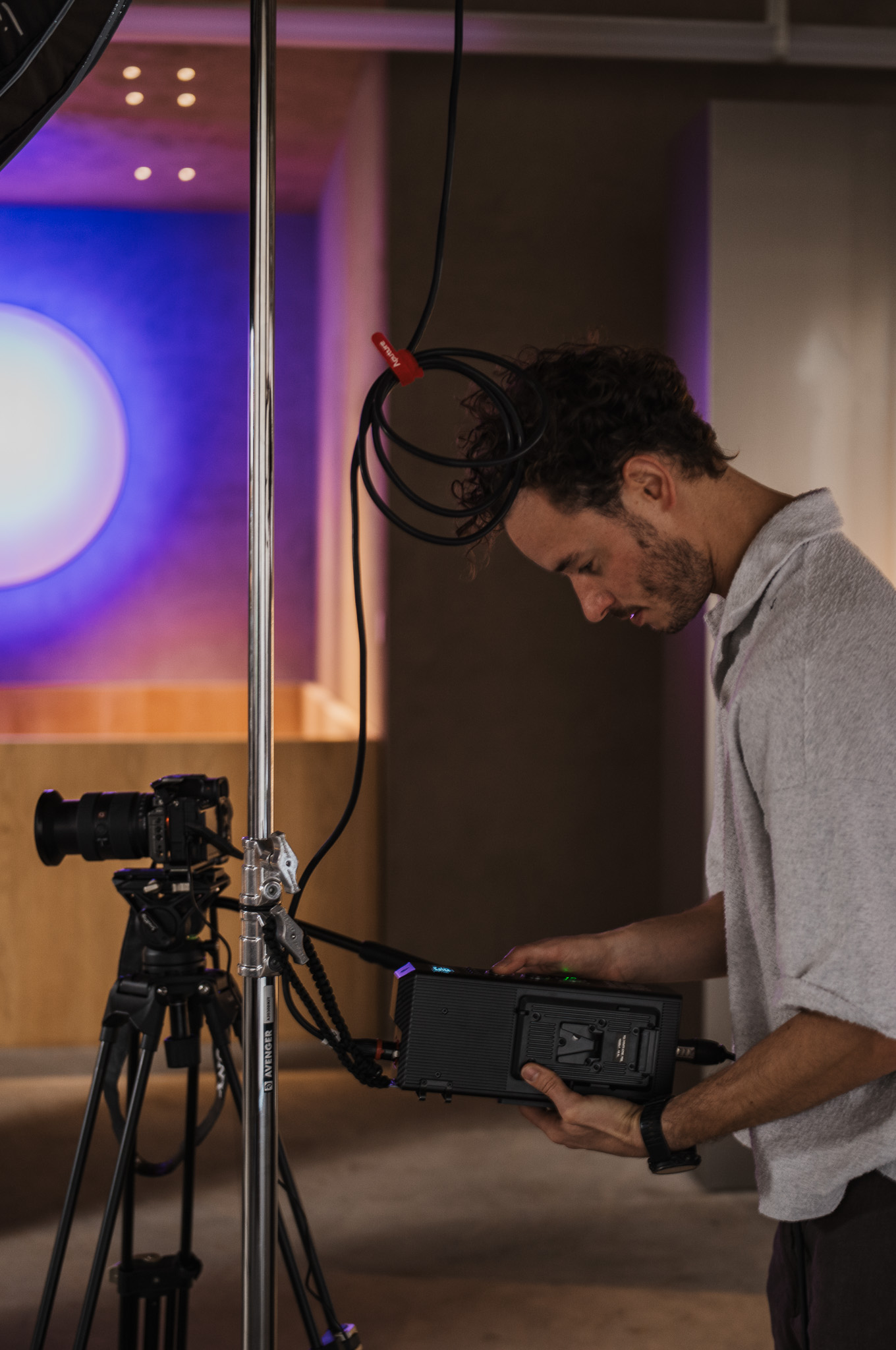
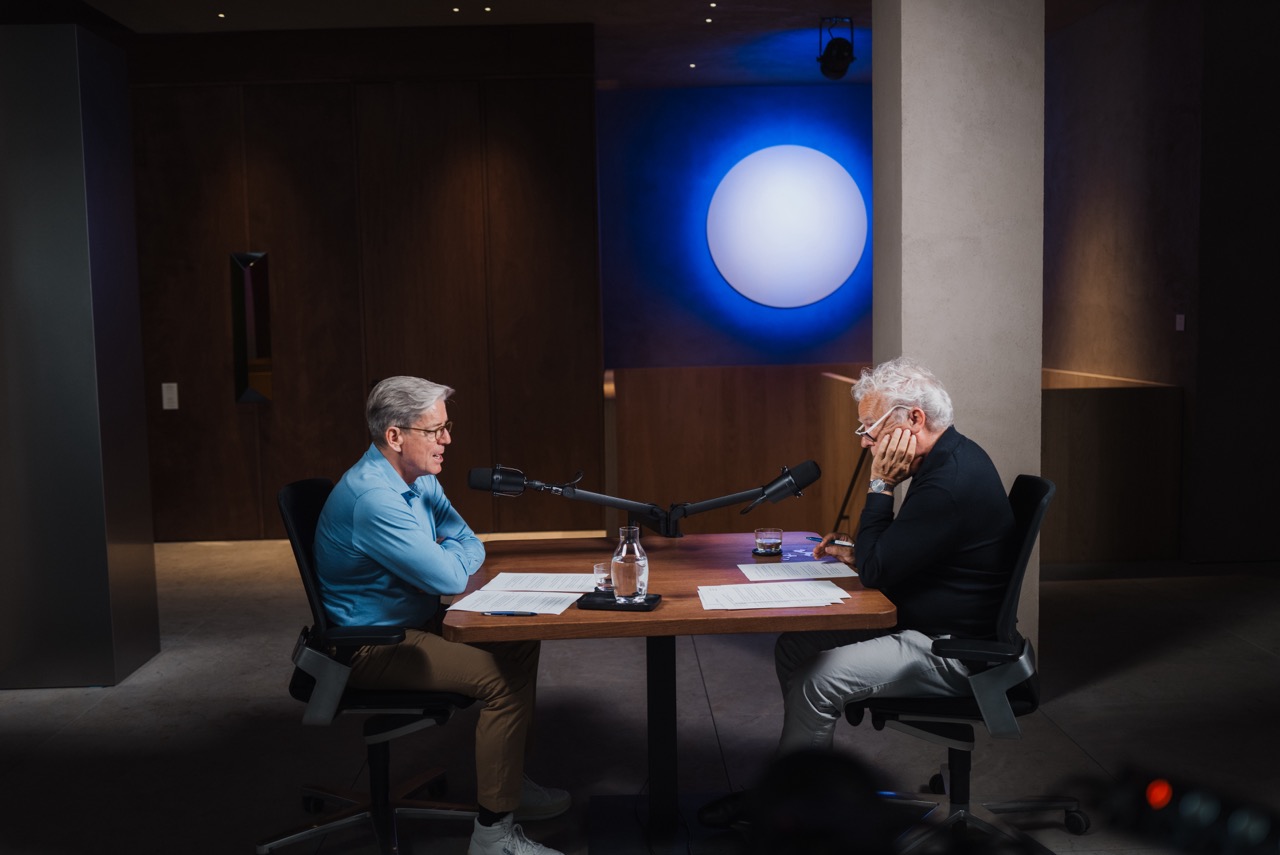
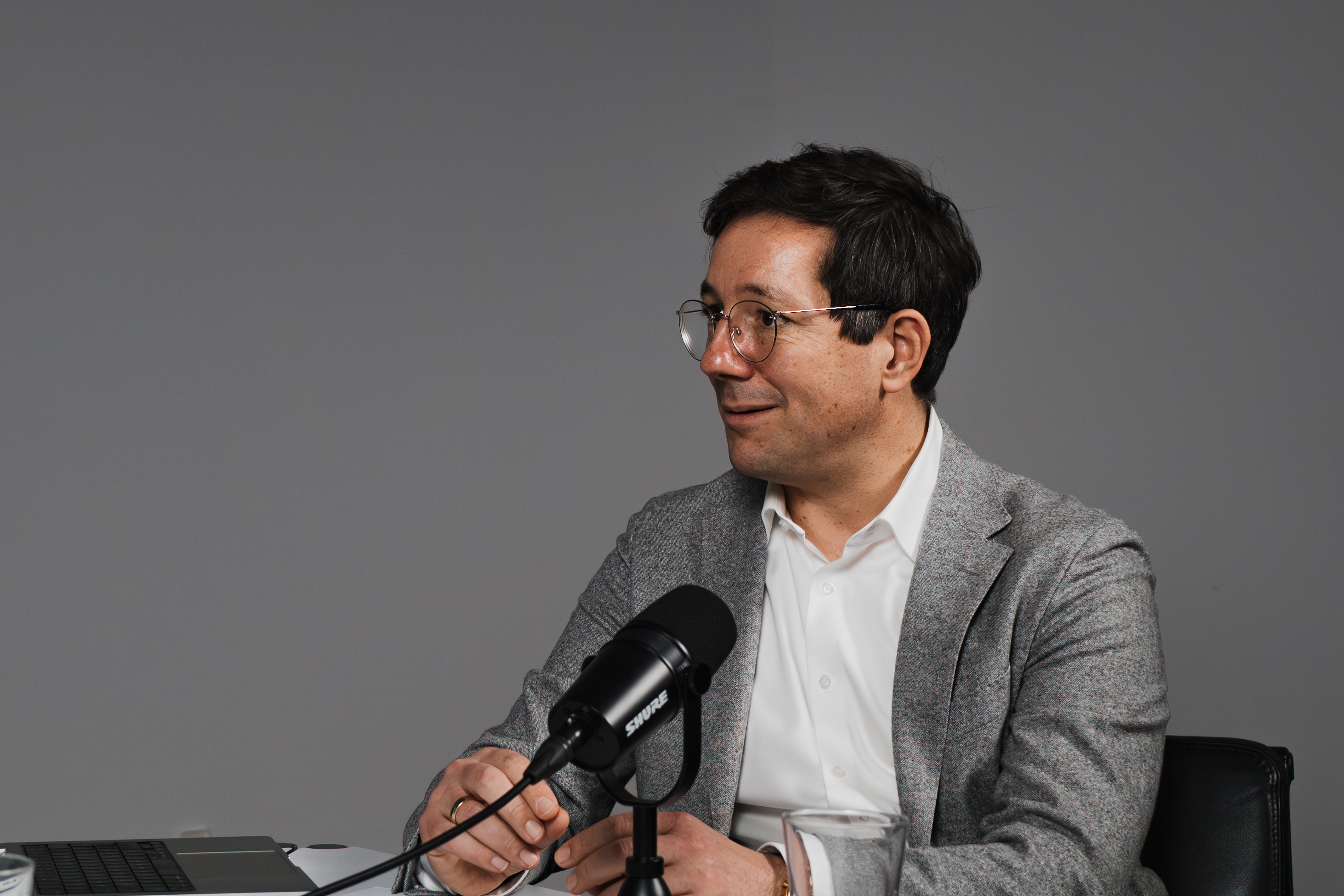
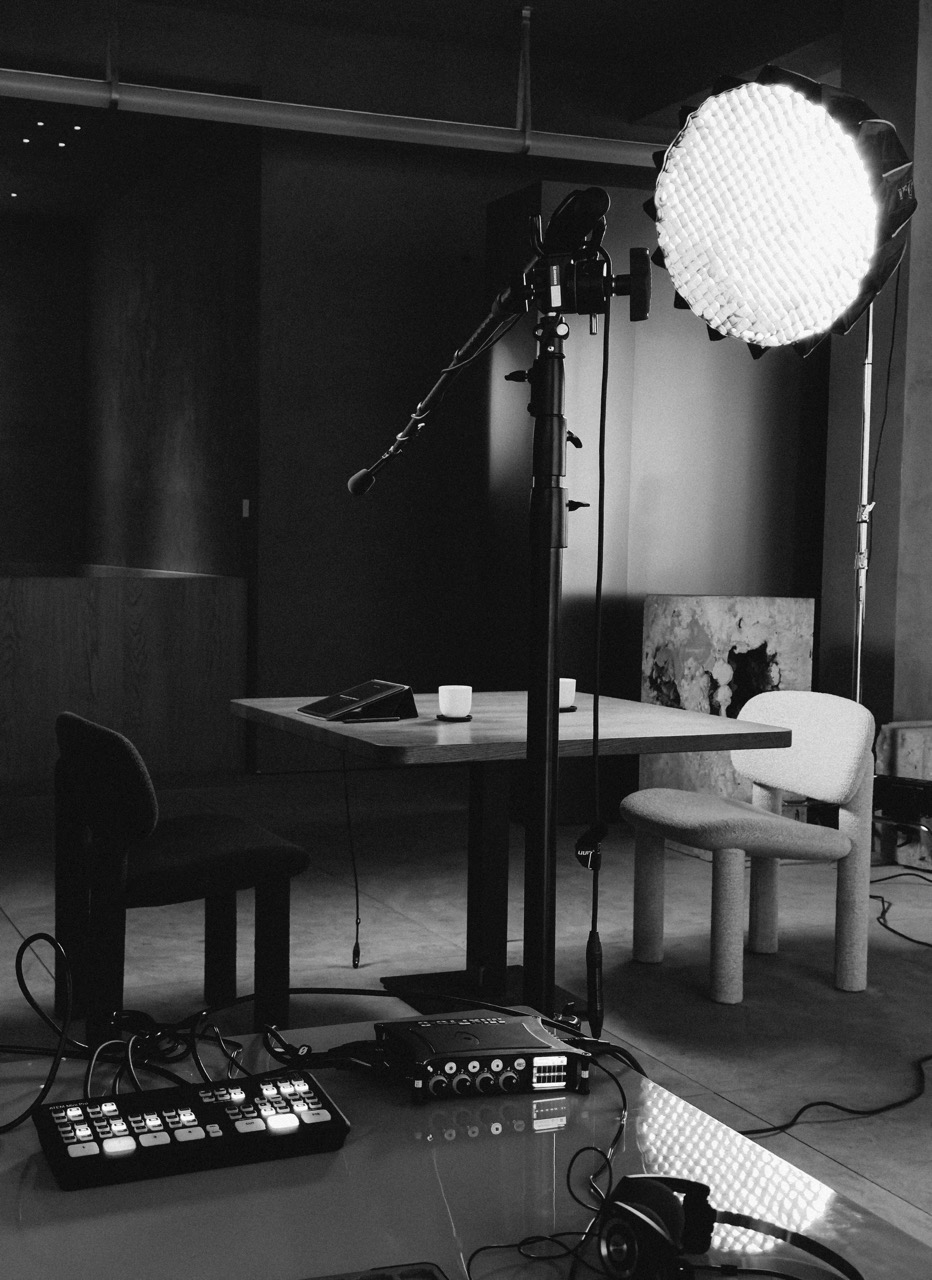
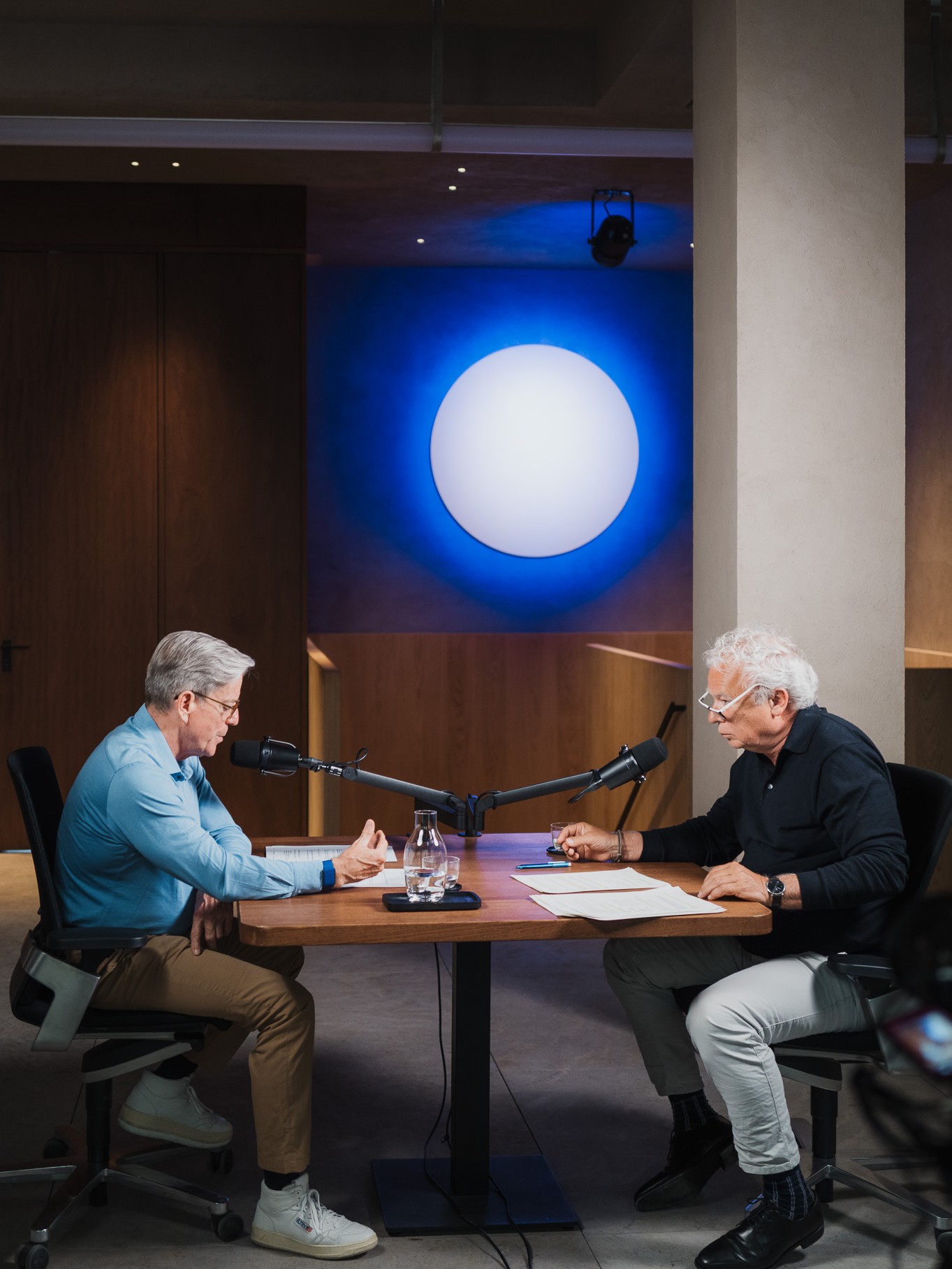
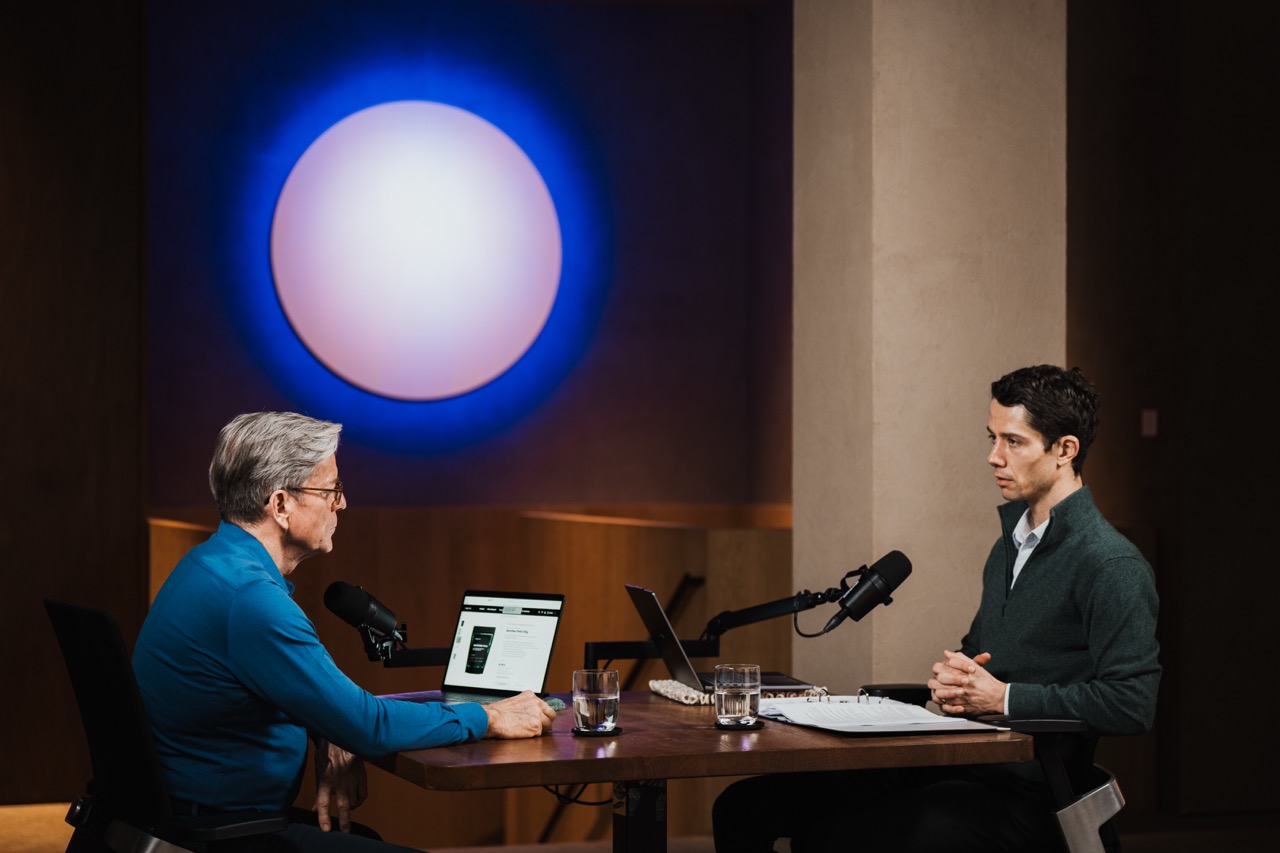
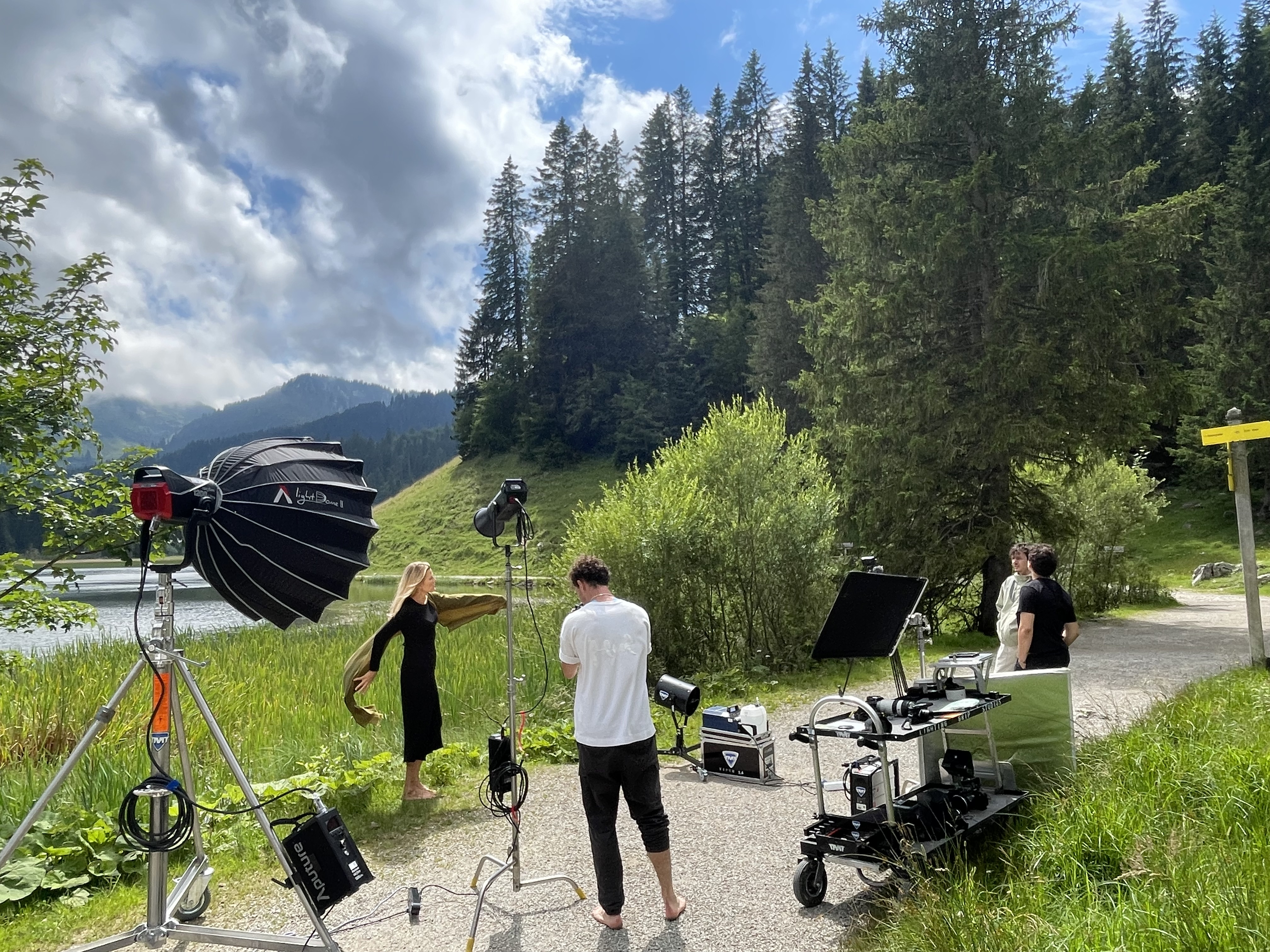
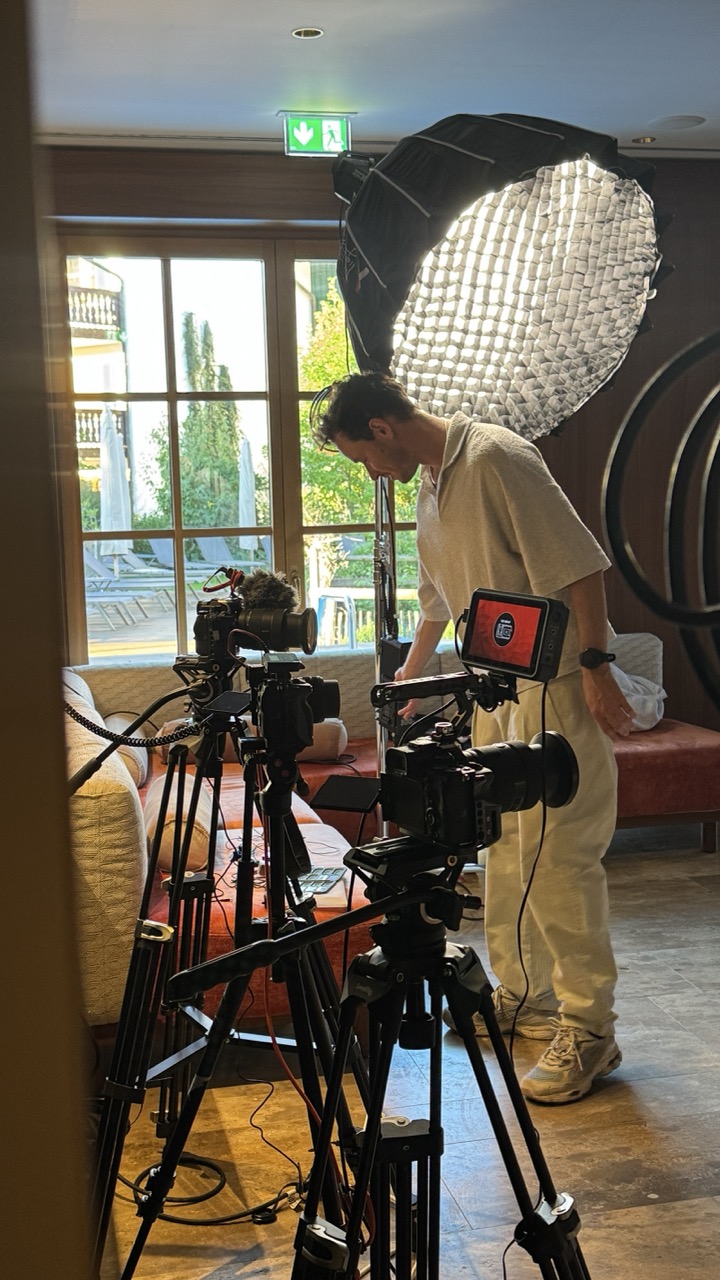
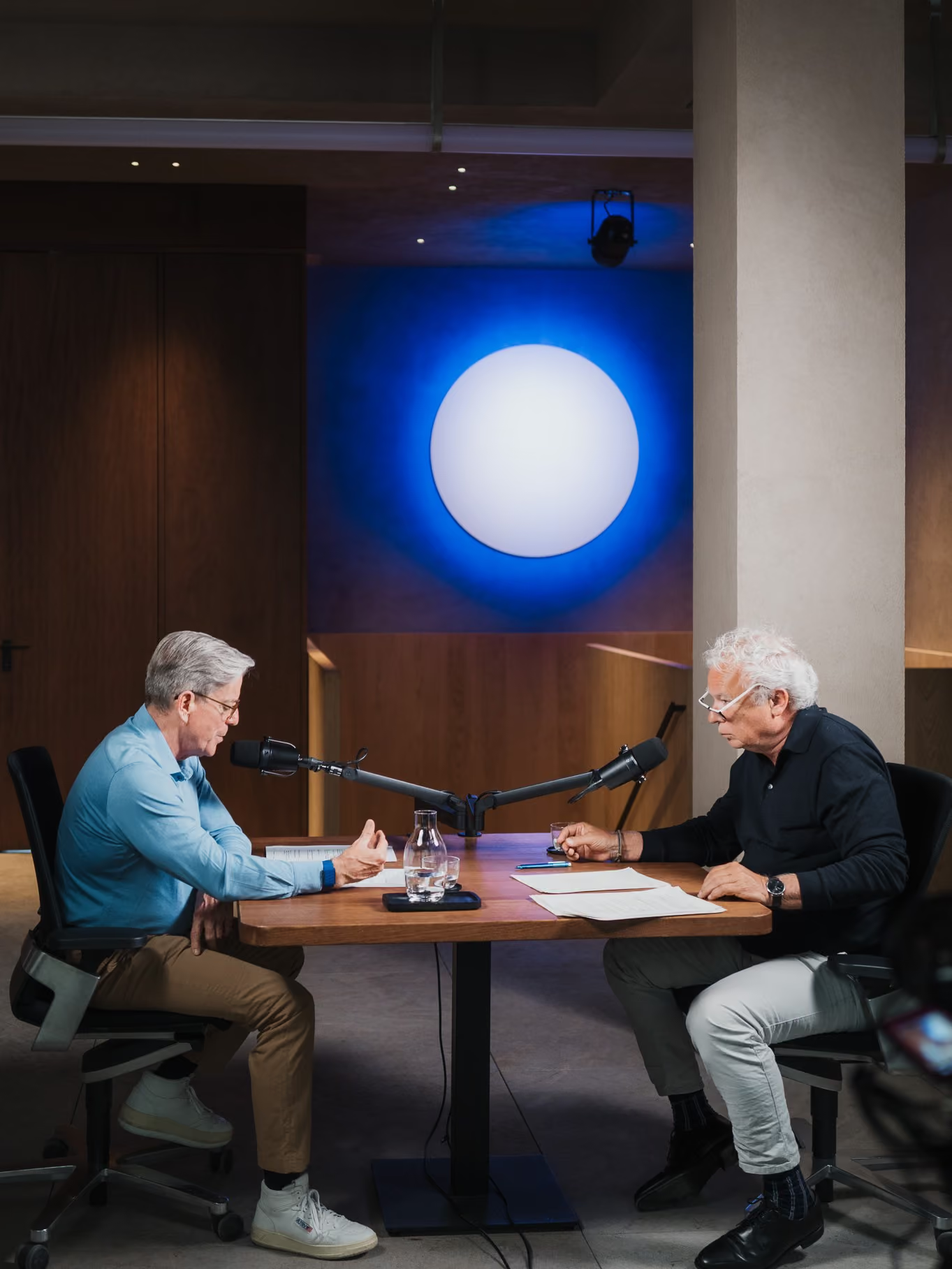
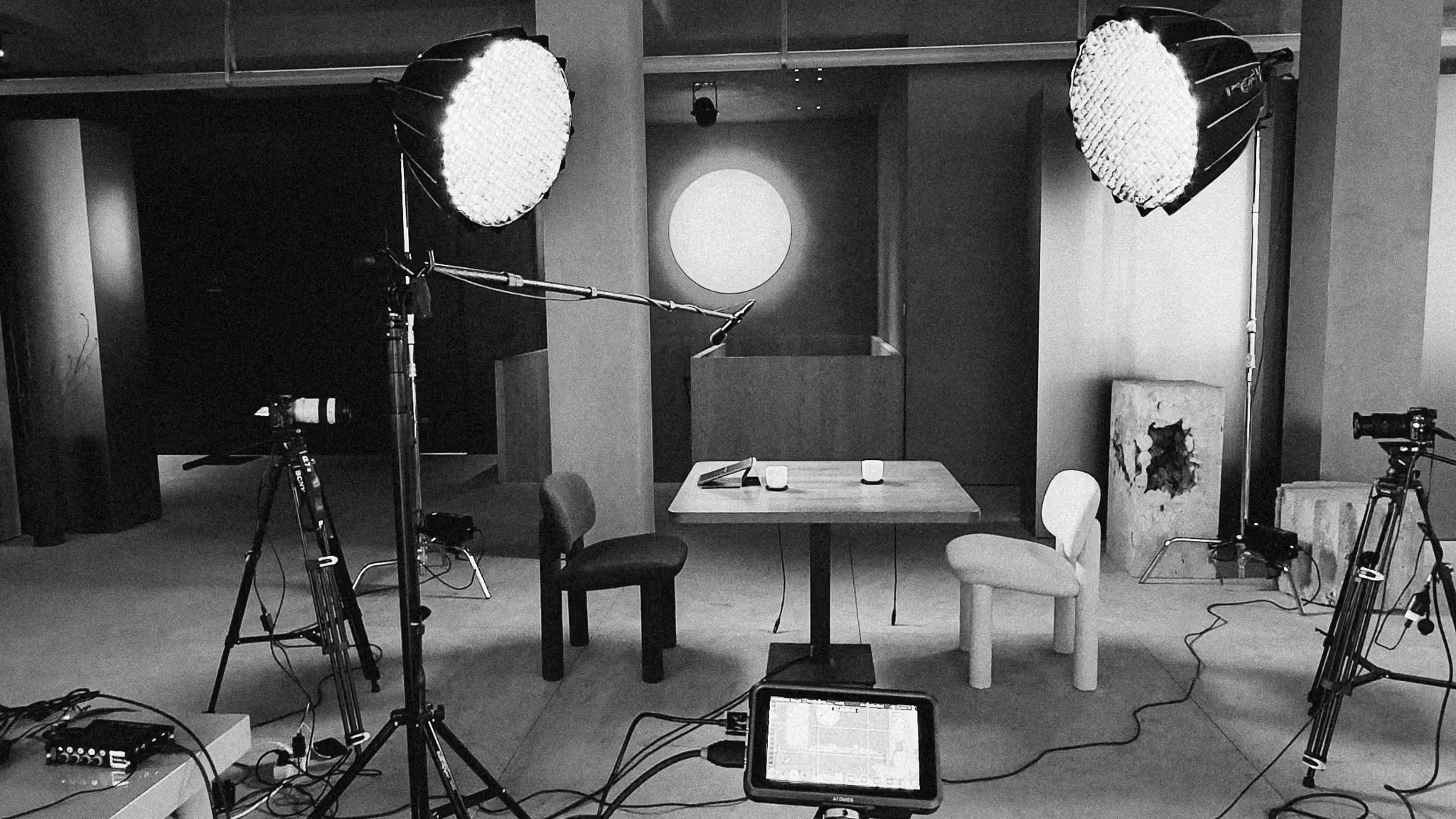
Professional recording quality gets you taken seriously. It does not set you apart, because everyone serious has it. What differentiates is the setting: a set people recognise, good light, clean sound, and a host who has clearly prepared.
Shot as video, every episode also becomes the raw material for every other channel. This single decision determines whether the podcast is a content system or a file on Spotify. It is worth making deliberately rather than discovering six months in.
The episode is the start, not the finish. YouTube and Spotify for the full length. Clips for Instagram, LinkedIn and TikTok. Quotes and insights for the newsletter, and a written version on your own website where search engines and AI systems can read it.
One hour of conversation becomes ten to twenty pieces of content. Skip this step and even an excellent episode stays invisible, which is the most common and most expensive mistake in the whole process. The production is not the investment. The distribution is what returns it.
Downloads flatter. Enquiries count. Measure what moves the business: reach within the target audience, profile actions, qualified enquiries, and how often the podcast comes up unprompted in sales conversations.
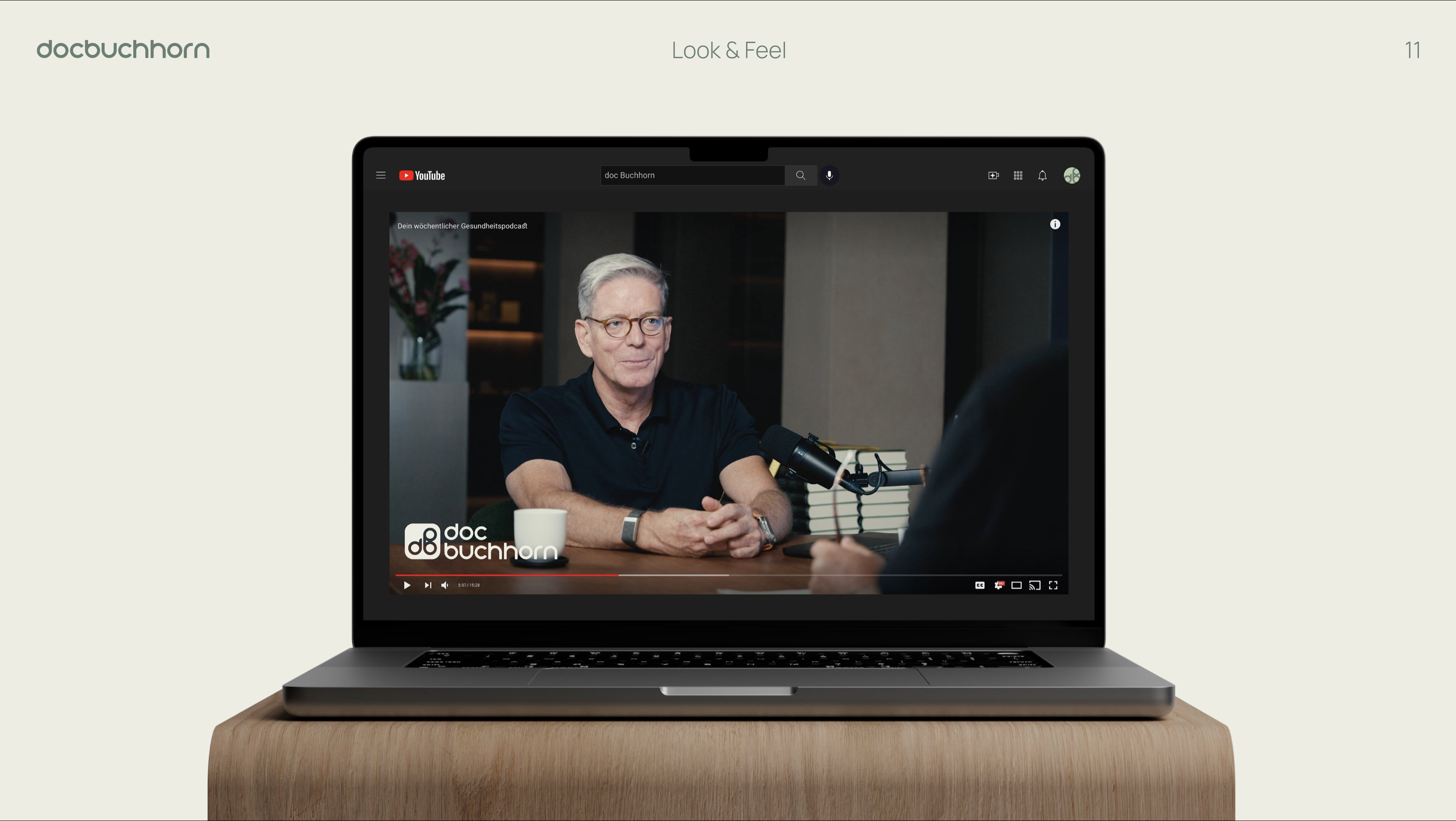
For the sports physician Dr Tomas Buchhorn, our video podcast "Umdenken" added more than 10,000 qualified followers and around 500,000 organic reach per month in seven months. Read the case study.
Planning a podcast of your own? Book a free initial consultation and we will develop the positioning, the format and the production plan with you. More on how we work: podcast production at FADETOBLACK.
For most companies two episodes a month is the best trade off between continuity and effort. A reliable rhythm matters more than a high frequency.
First signs of traction after six to eight weeks, dependable results in reach and enquiries typically after three to six months.
No. A rented studio or a reusable set at your own offices is enough. What counts is consistent light, clean sound and a look people recognise.
For companies with visibility goals, almost always video. It serves YouTube and delivers the clips that generate organic reach, and the audio version comes out of the same recording.
