










.jpeg)



.jpeg)




Let's Get to Work
=
INFO@FADETOBLACK.IO
=
LETS Tell Your STORY
=
INFO@FADETOBLACK.IO
=


The strongest employer brand is not built from job adverts. It is built from the people who already work for you, saying in their own words why they stay. Candidates now research employers the way customers research suppliers: Instagram, LinkedIn, reviews, and increasingly an AI assistant. Companies that show their culture get chosen. Companies that claim it get scrolled past.
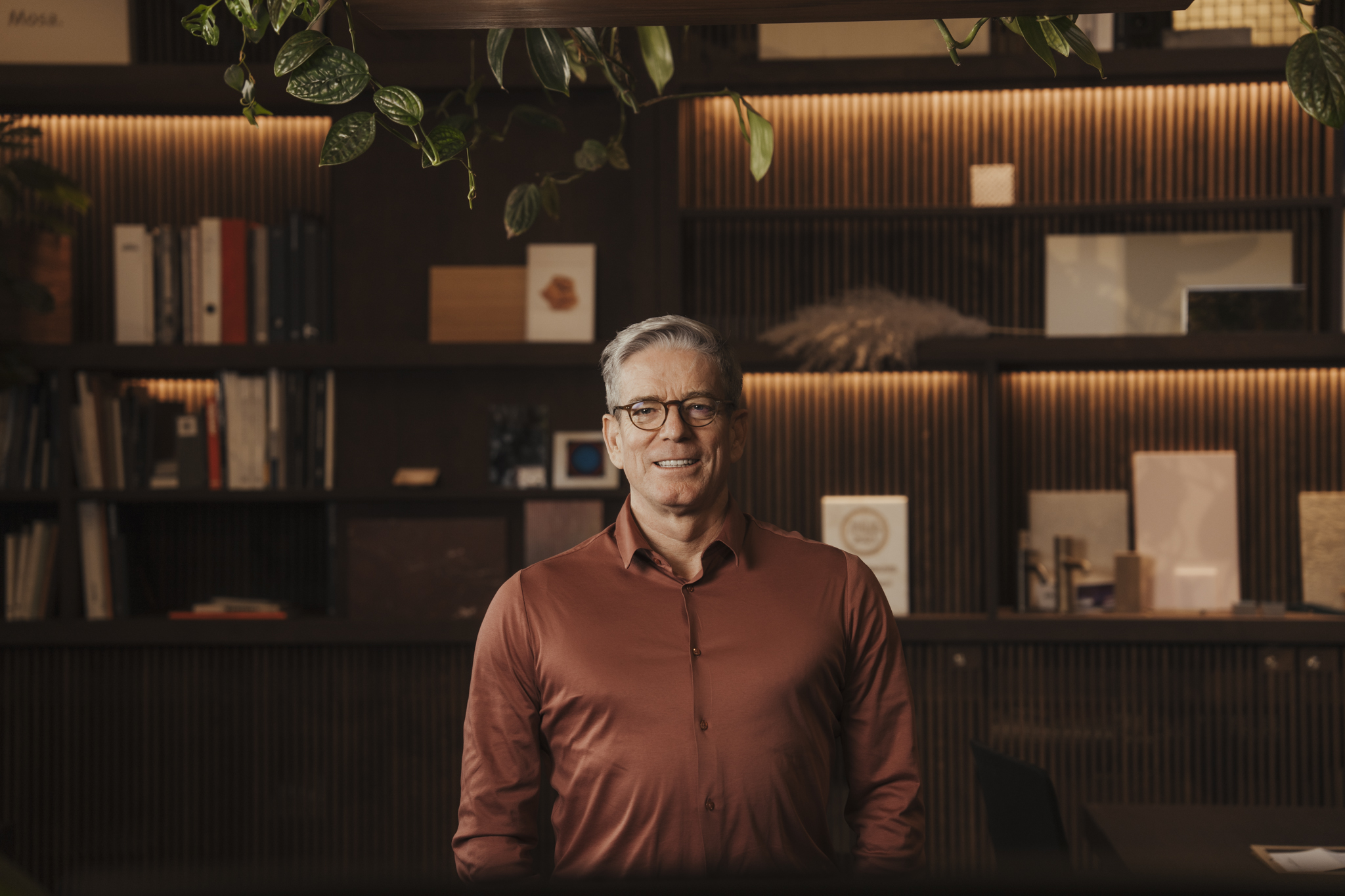
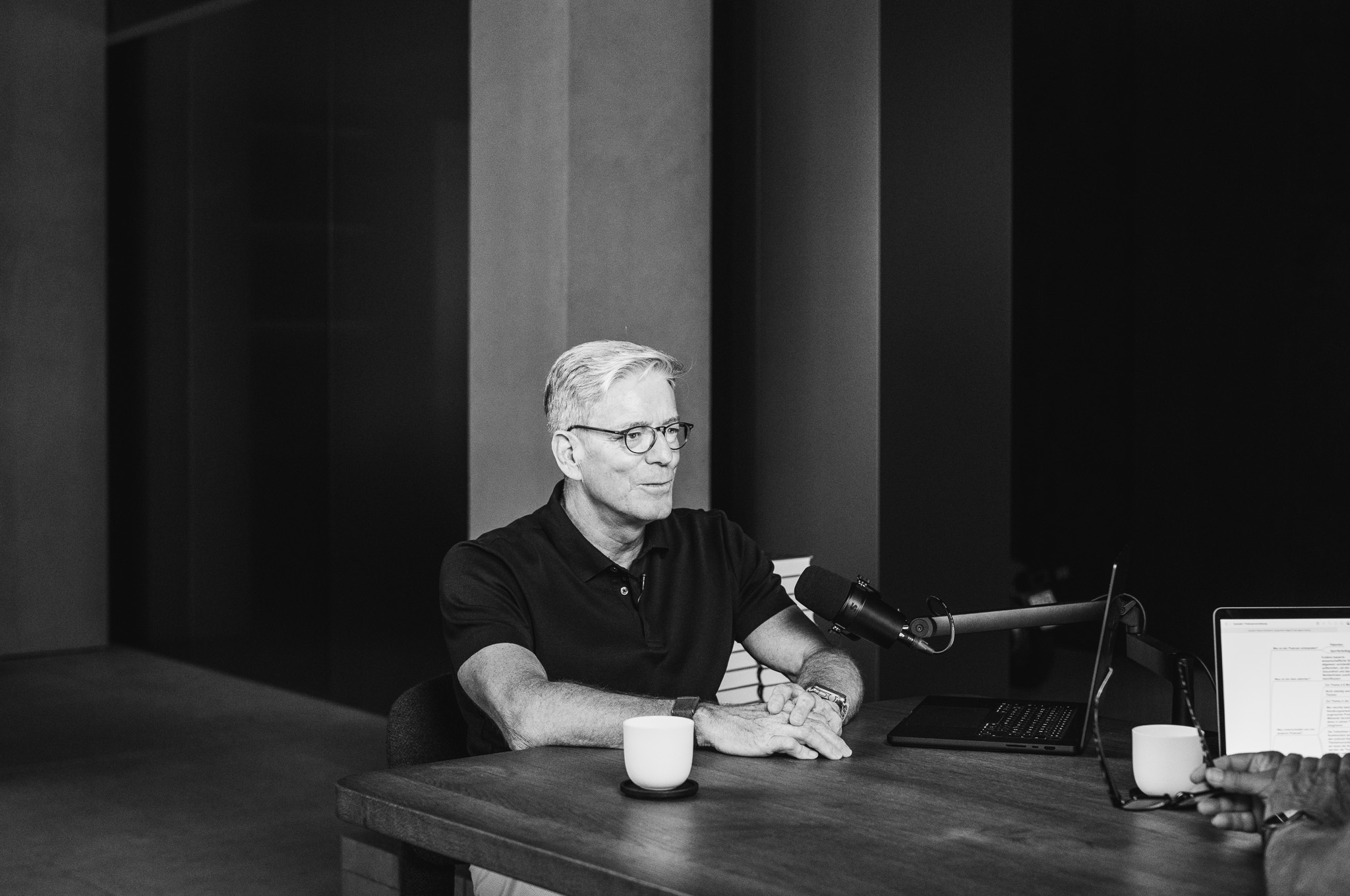
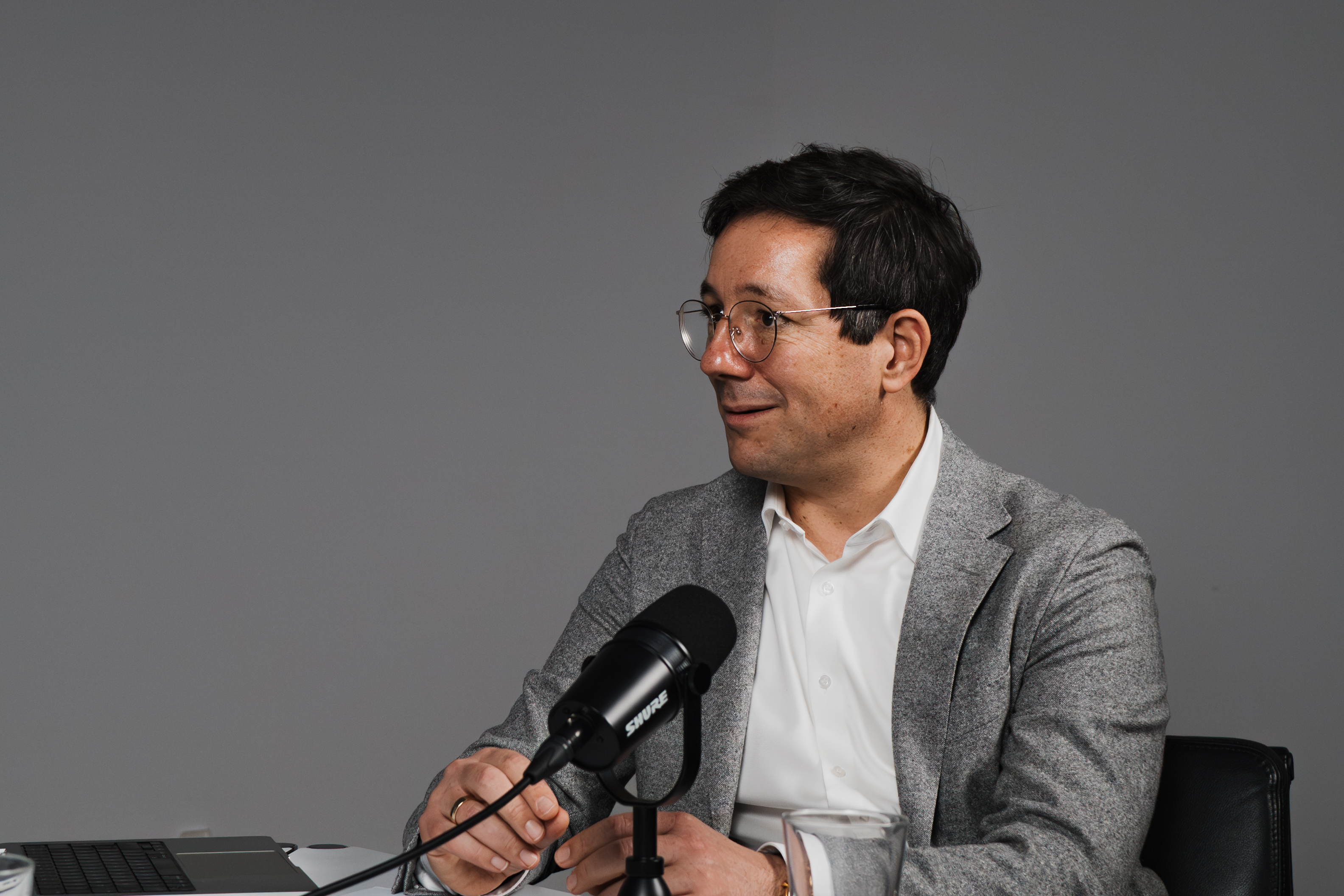
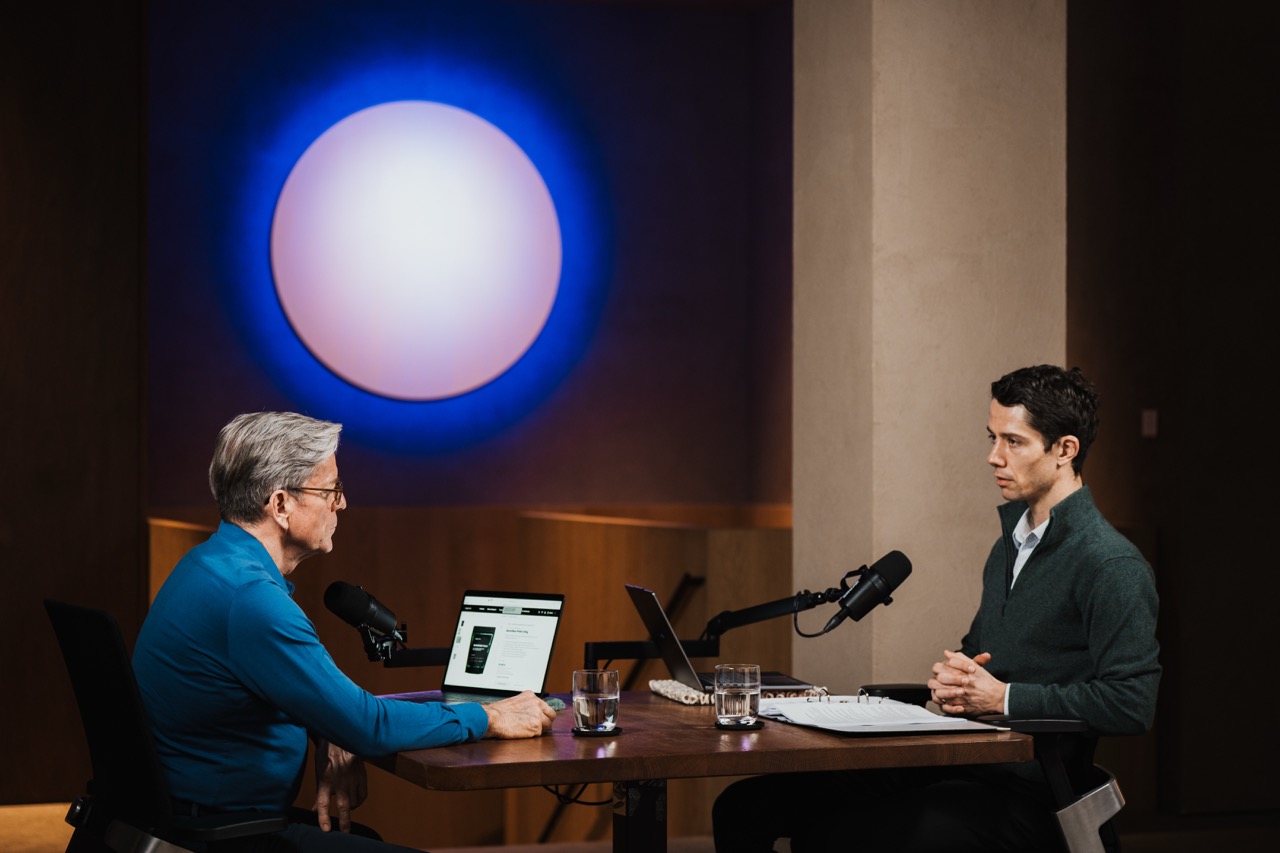
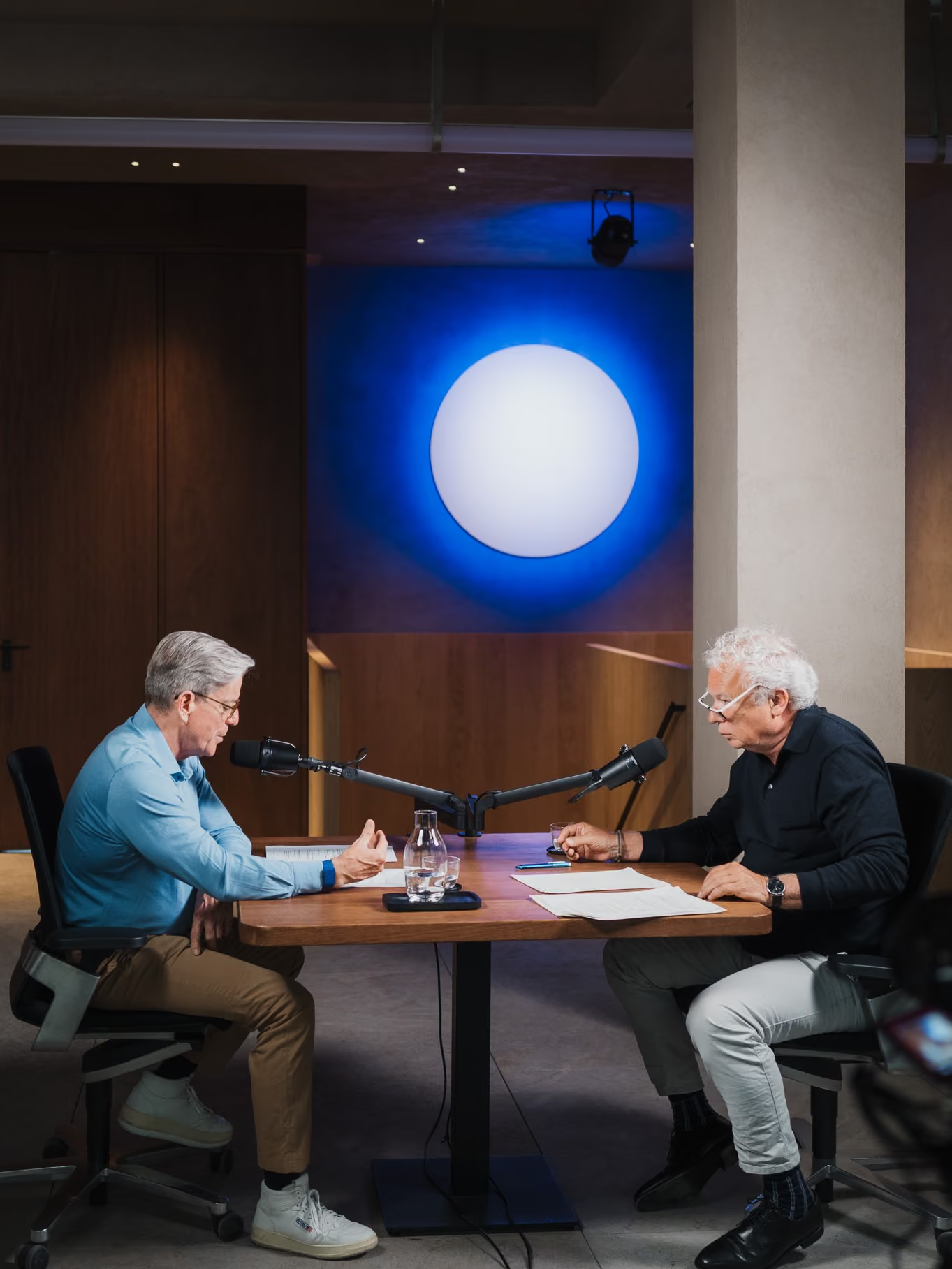
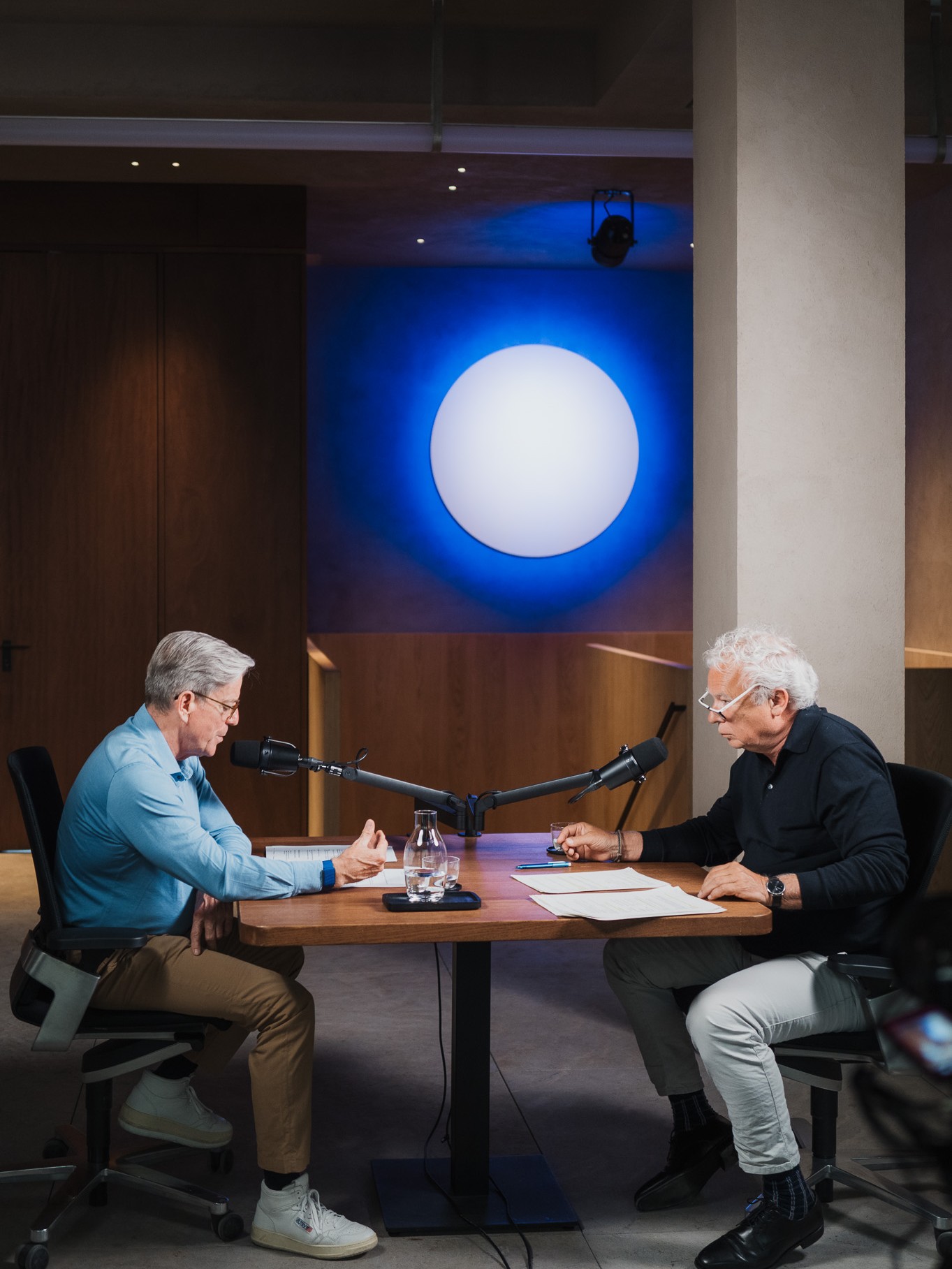
A corporate film asserts. An interview demonstrates. When an employee explains, unscripted, why she is still here after two years, something happens that no production budget can manufacture. People follow people. That is the whole mechanism, and it is why interview clips perform organically while polished recruitment videos are ignored.
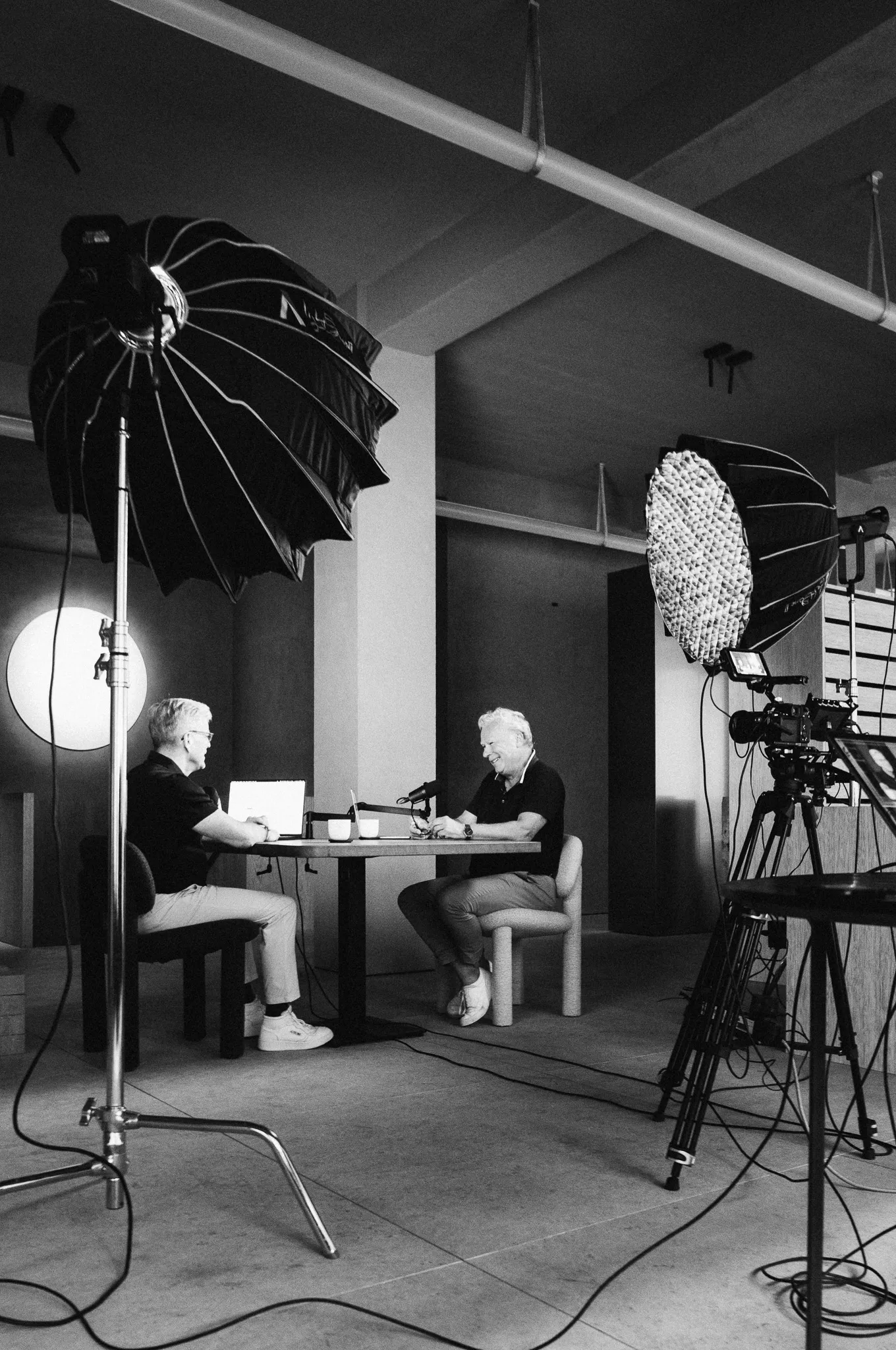
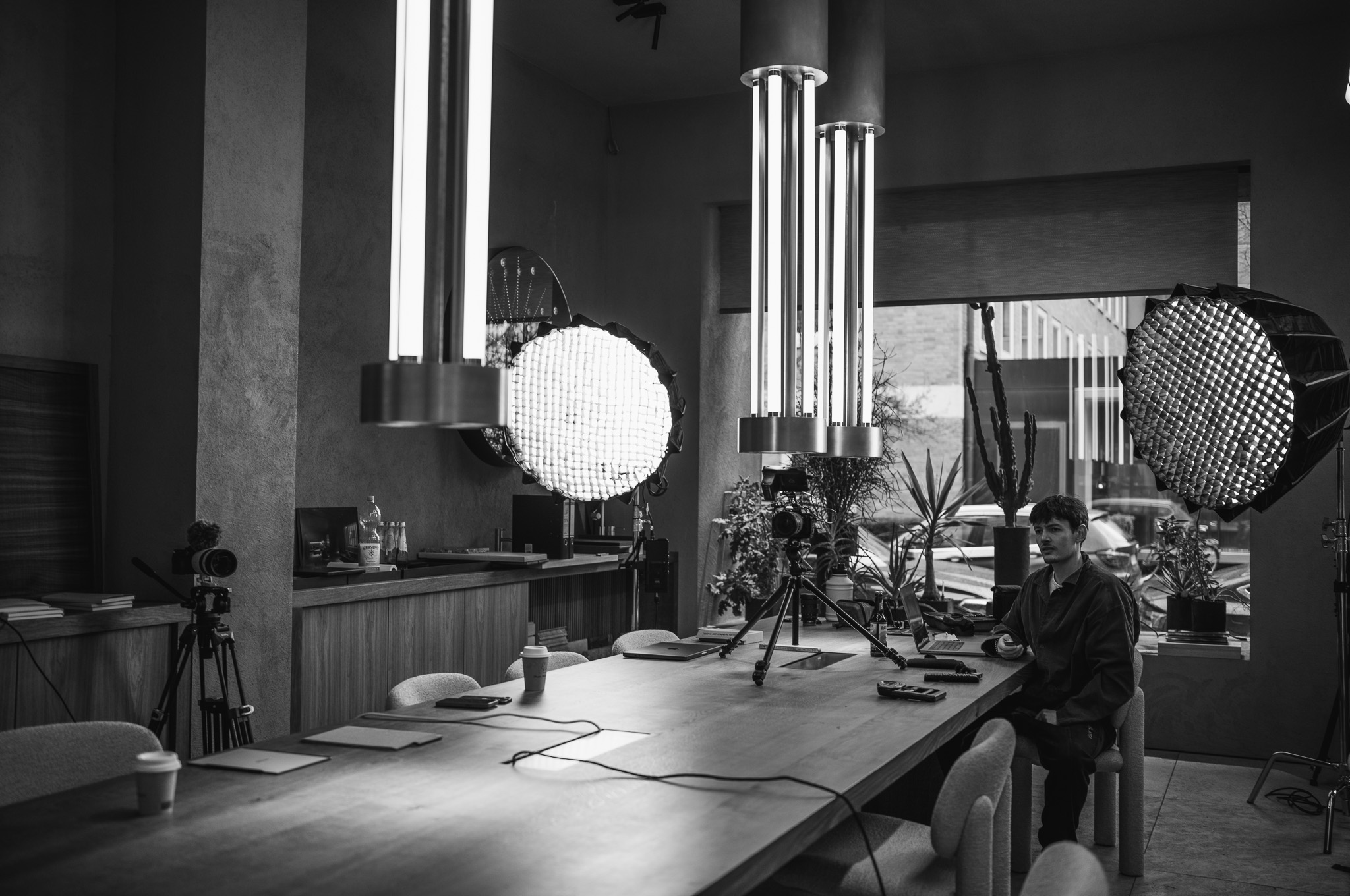
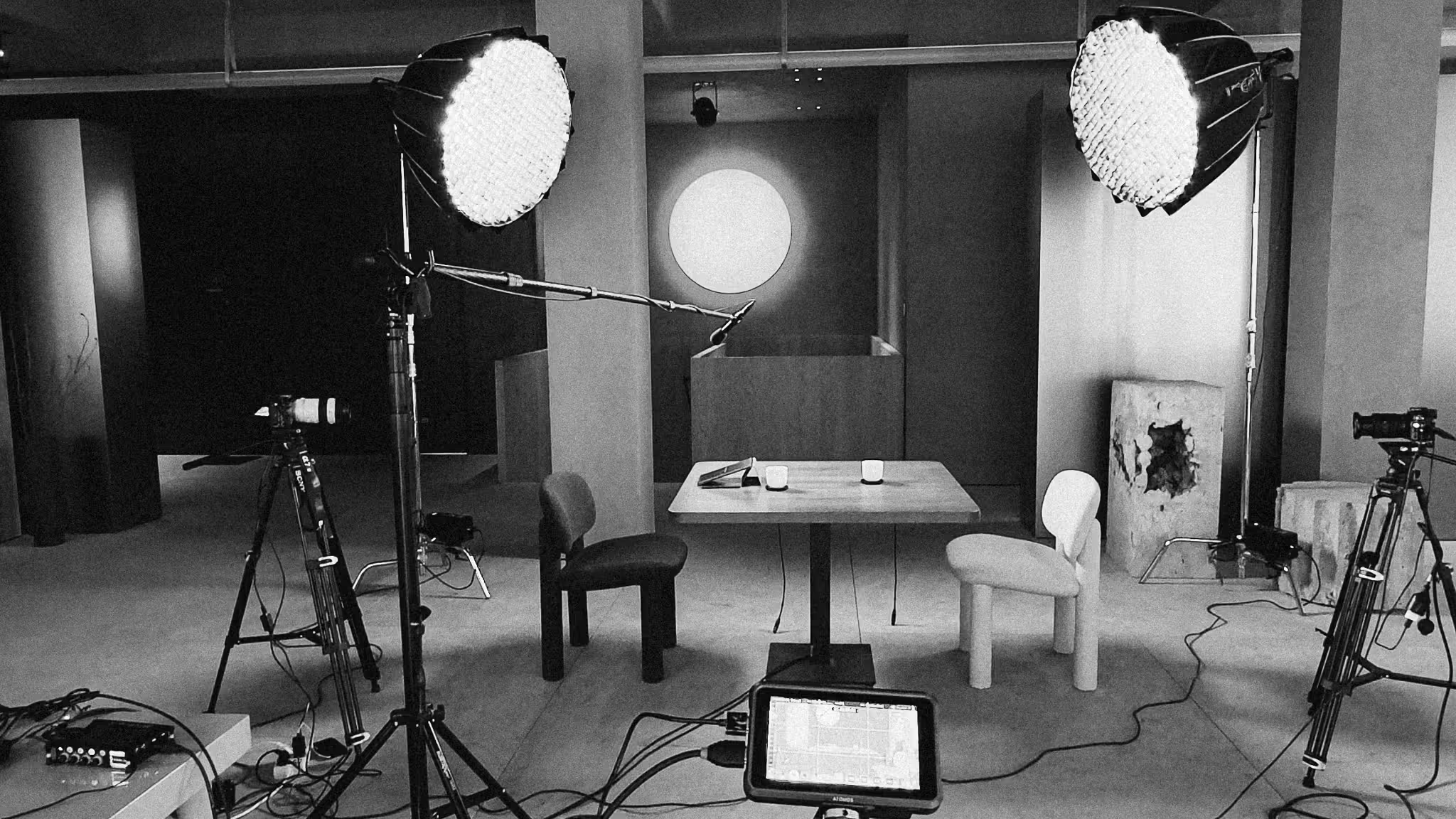
One professionally produced interview a month supplies weeks of material: the long conversation as a podcast episode or YouTube video, clips for LinkedIn and Instagram, quotes for the careers page. Attention comes from the clips, trust from the long form, applications from a careers page showing the same faces.
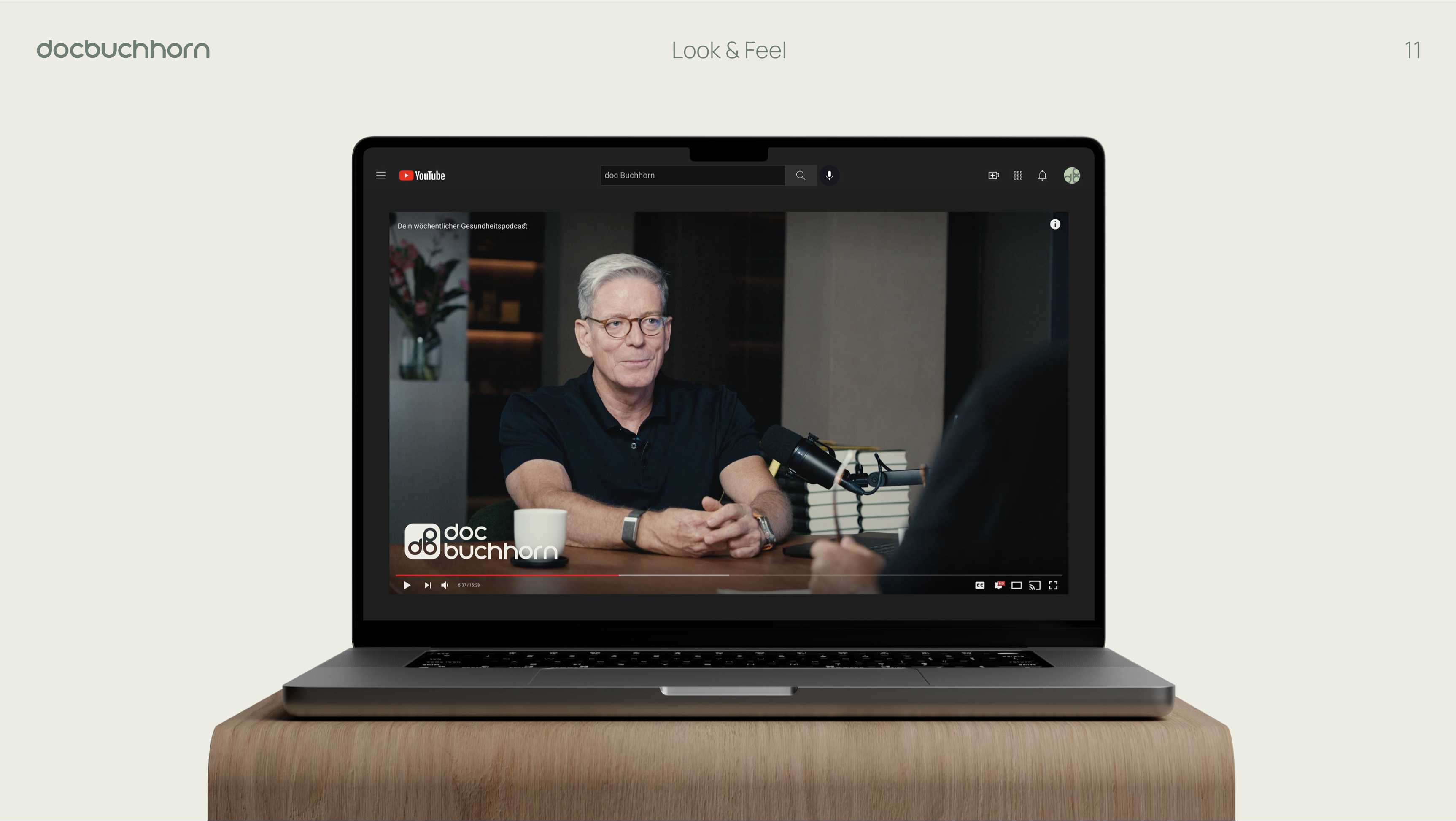
Our work for Dr Tomas Buchhorn shows what a consistently produced interview format achieves in practice. Read the case study, or book a free initial consultation to work out which format suits your team.
The way in is a guided conversation, not a statement to camera. An experienced interviewer, a calm setting and clear questions remove most of the nerves. Taking part is always voluntary.
Profile views, follower quality, applications per vacancy and time to fill. Not likes.
Not to start. A regular interview format on LinkedIn and Instagram is enough. A podcast pulls it together once you have a rhythm and an audience responding.
