
















































Let's Get to Work
=
INFO@FADETOBLACK.IO
=
LETS Tell Your STORY
=
INFO@FADETOBLACK.IO
=


A visible founder builds trust faster. People decide whether they trust a business by reading a person: their voice, their hesitation, the way they explain something difficult. A logo cannot do that. A faceless brand account can still work, but it needs much longer to earn the same credibility, and it has to compensate with something else, usually product, proof or extremely consistent design.
That does not mean every company should become a founder show. The better question is what role each account plays.
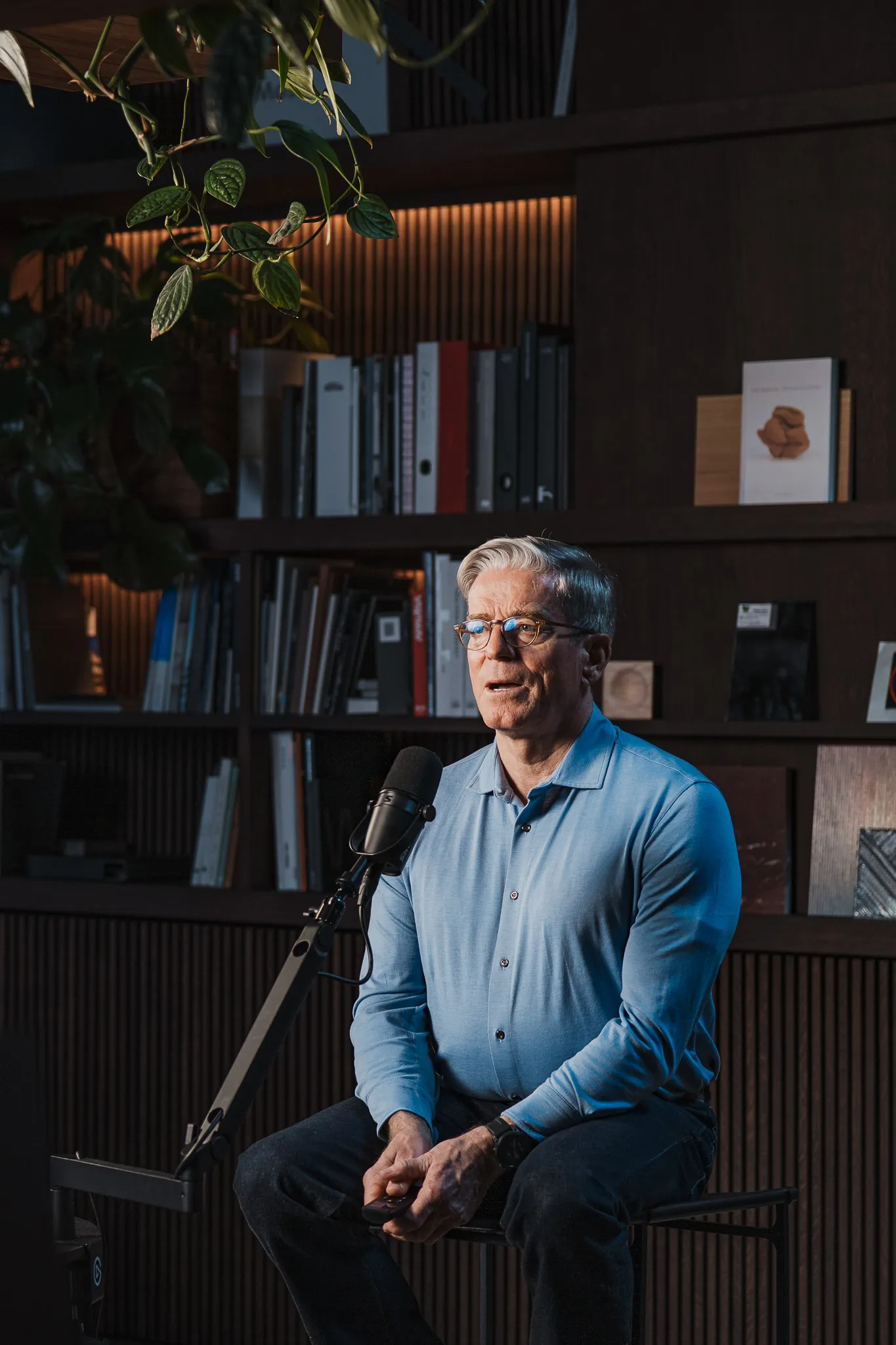
Trust on social media is built from small signals over time. When a founder speaks on camera, viewers get dozens of them at once: competence, conviction, humour, how they treat customers. In premium B2B and services, where the buyer is effectively buying a relationship, this is decisive. The prospect wants to know who they will be dealing with before they ever send an enquiry.
Personal profiles also tend to reach further than company pages on networks like LinkedIn, which is why we covered personal branding for managing directors as its own discipline.
For most of the businesses we work with, the answer is both, with clear roles. The founder account carries opinion, point of view and the story behind decisions. The brand account carries proof: projects, products, client results, the team at work. The two accounts collaborate on key posts so each audience discovers the other.
This also solves the dependency problem. The founder opens doors, the brand account holds what was earned. If the founder steps back one day, the brand still has its own body of evidence.
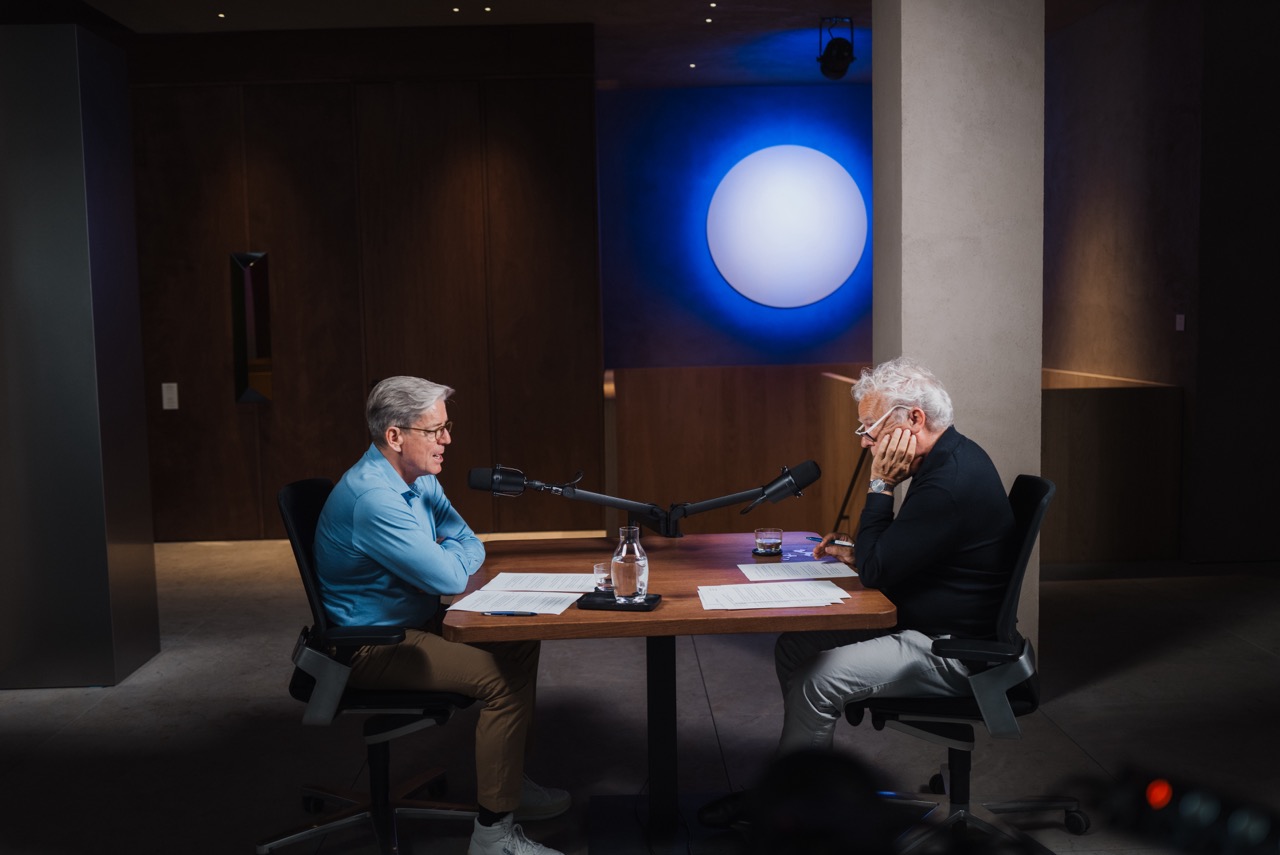
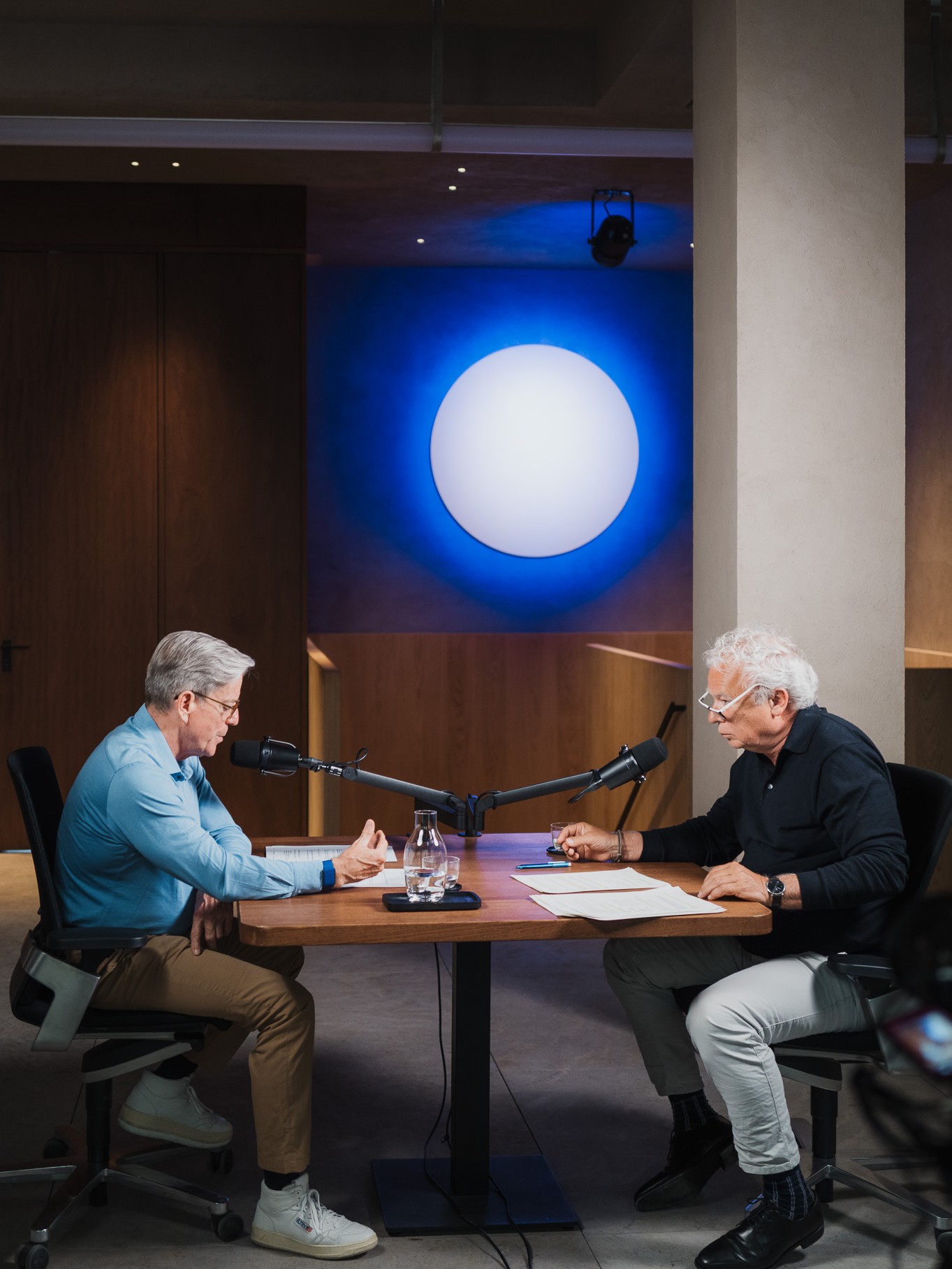
You do not need to dance or talk into your phone on the street. Start with formats that feel natural:
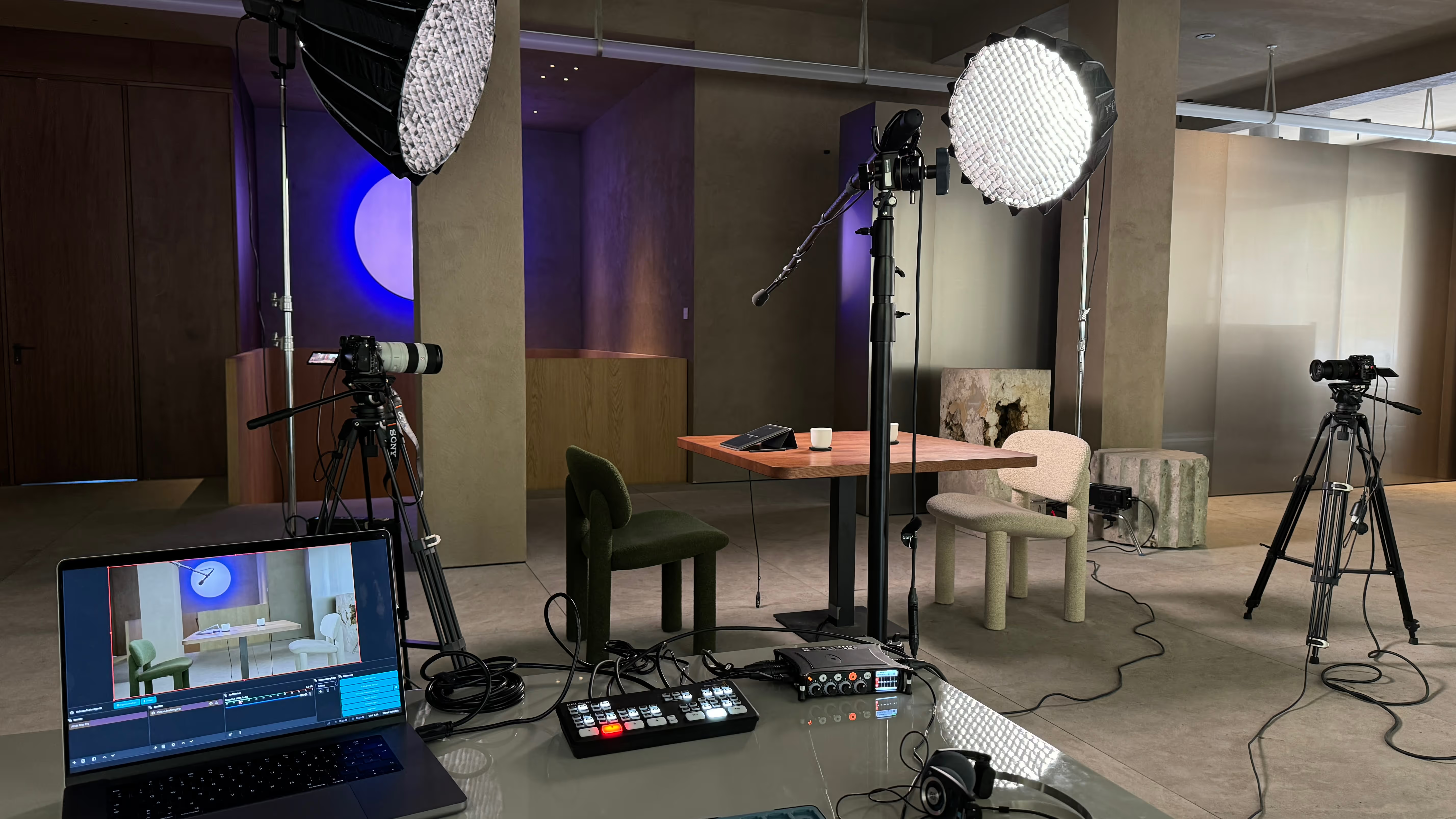
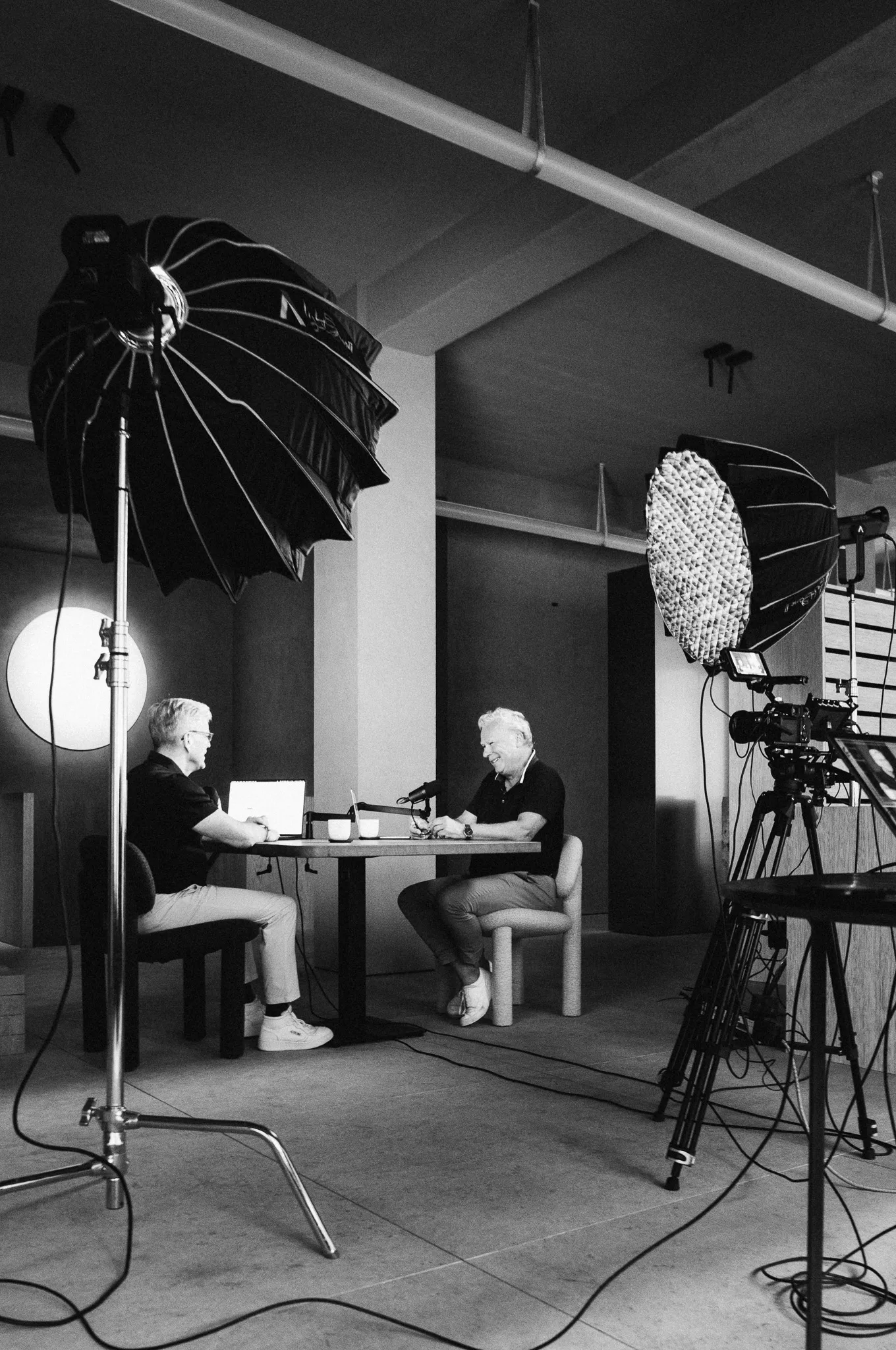
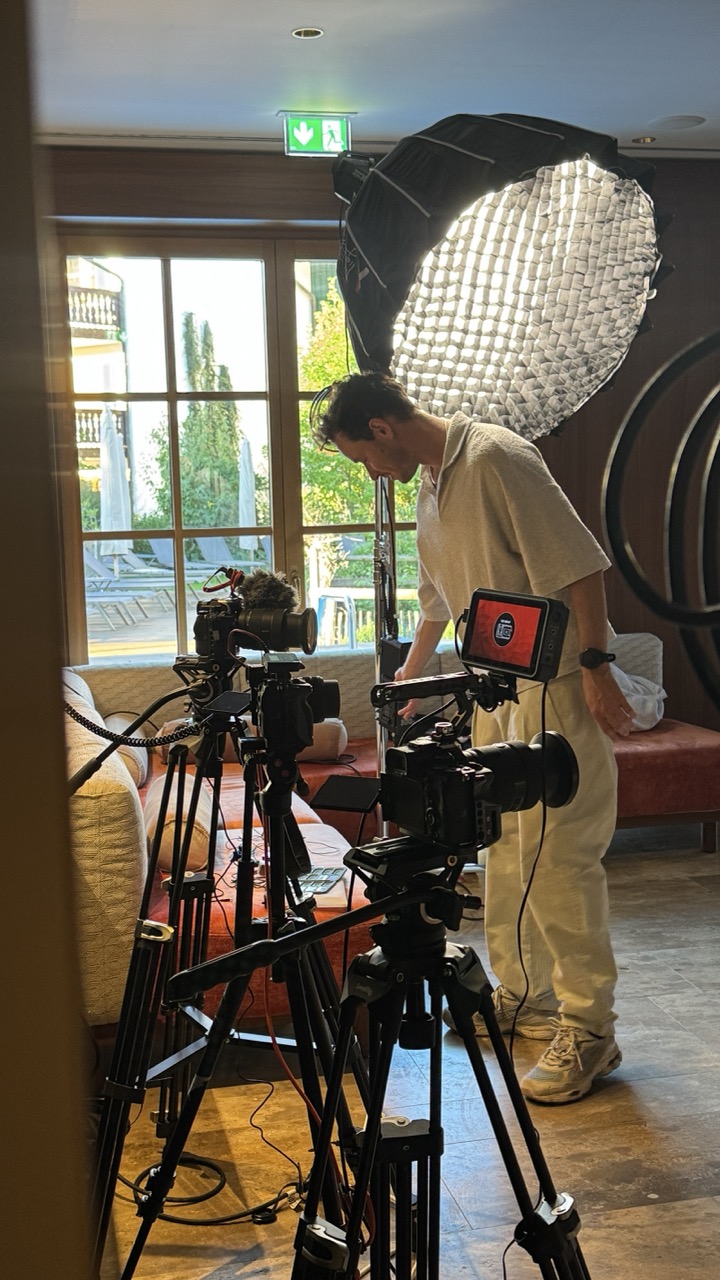
Most founders become comfortable after the first few sessions, especially when someone else handles light, framing and edit. What makes it work is consistency, not charisma.
If your average deal involves a personal relationship and a long consideration phase, put a face on it. If you sell an object that speaks for itself, let the product lead and add people as supporting characters. If you are somewhere in between, run both accounts and let them play different roles.
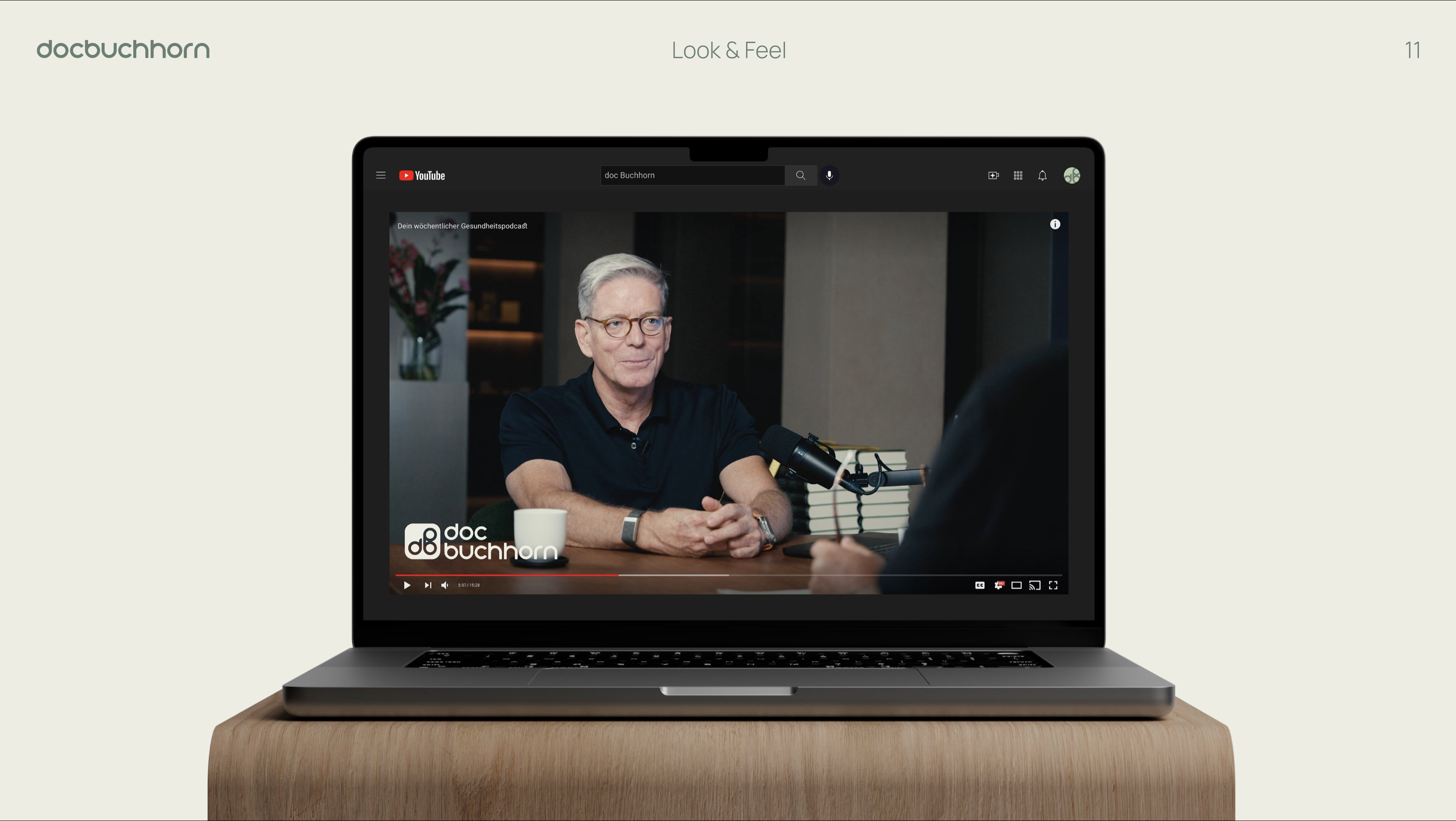
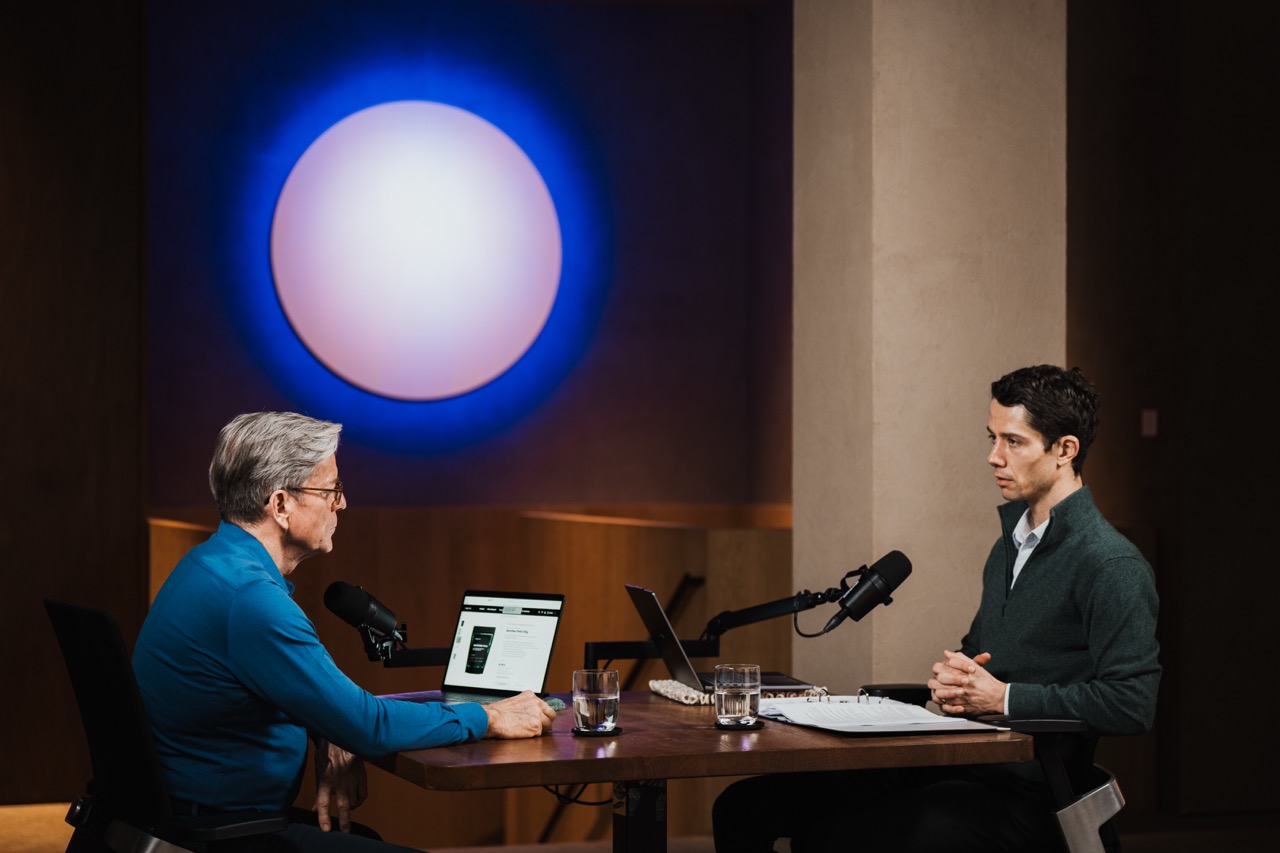
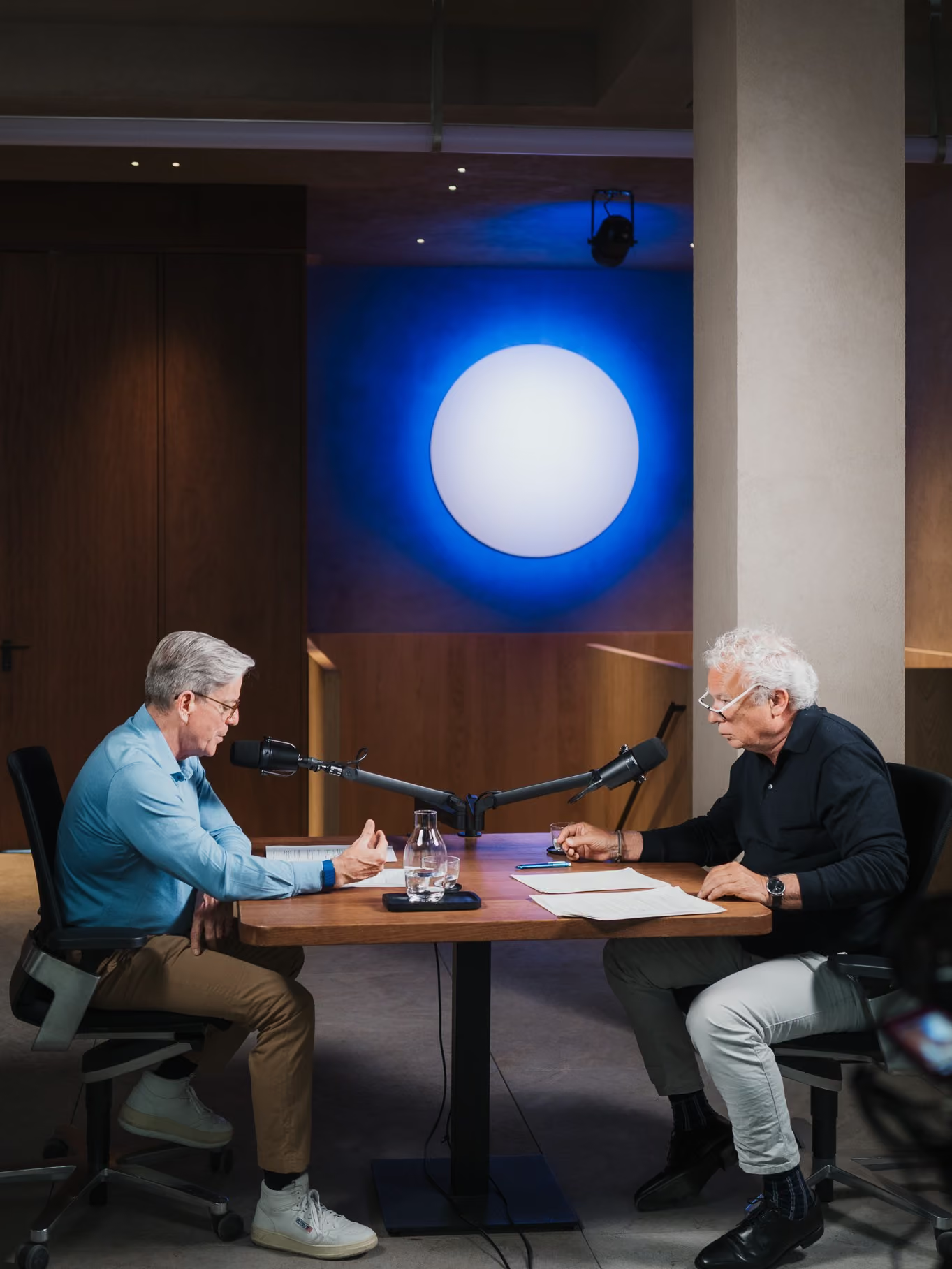
FADETOBLACK produces founder led content, from interview formats to podcast clips, and builds the brand account around it so trust does not depend on one person. Let us find the setup that fits you.
