






















Let's Get to Work
=
INFO@FADETOBLACK.IO
=
LETS Tell Your STORY
=
INFO@FADETOBLACK.IO
=


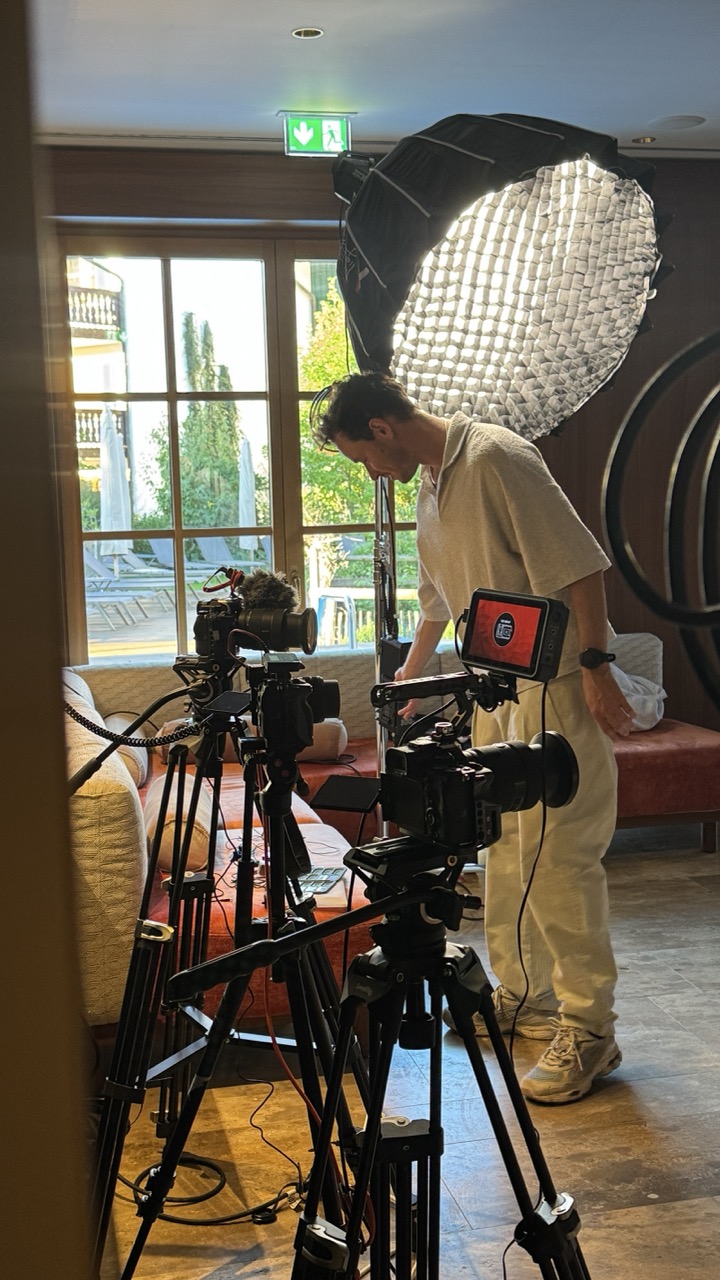
One hour of conversation, handled properly, becomes a podcast episode, six short clips, three written quotes, an article and a section of the careers page. No other format converts time into material at that rate. And none of them does the second thing an interview does almost by accident: it puts a real person on record, in their own words, saying something they have to stand behind. The question for most companies is not whether to run interview formats, but which one serves which goal.
A corporate film claims. An interview proves. The moment someone answers a question they were not given in advance, the audience hears the difference, and that difference is the entire asset. Scripted content can be beautiful and still read as advertising, because every word in it was approved before it was spoken. An interview carries the small hesitations, the corrections, the specific example nobody would have written into a script. That is what people trust, and it is why interview clips travel on LinkedIn and Instagram while polished brand films sit unwatched.
There is a practical argument as well. Scripted production is expensive per finished minute. Interview production is cheap per finished minute, because the raw material leaves the room faster than anyone could write it.
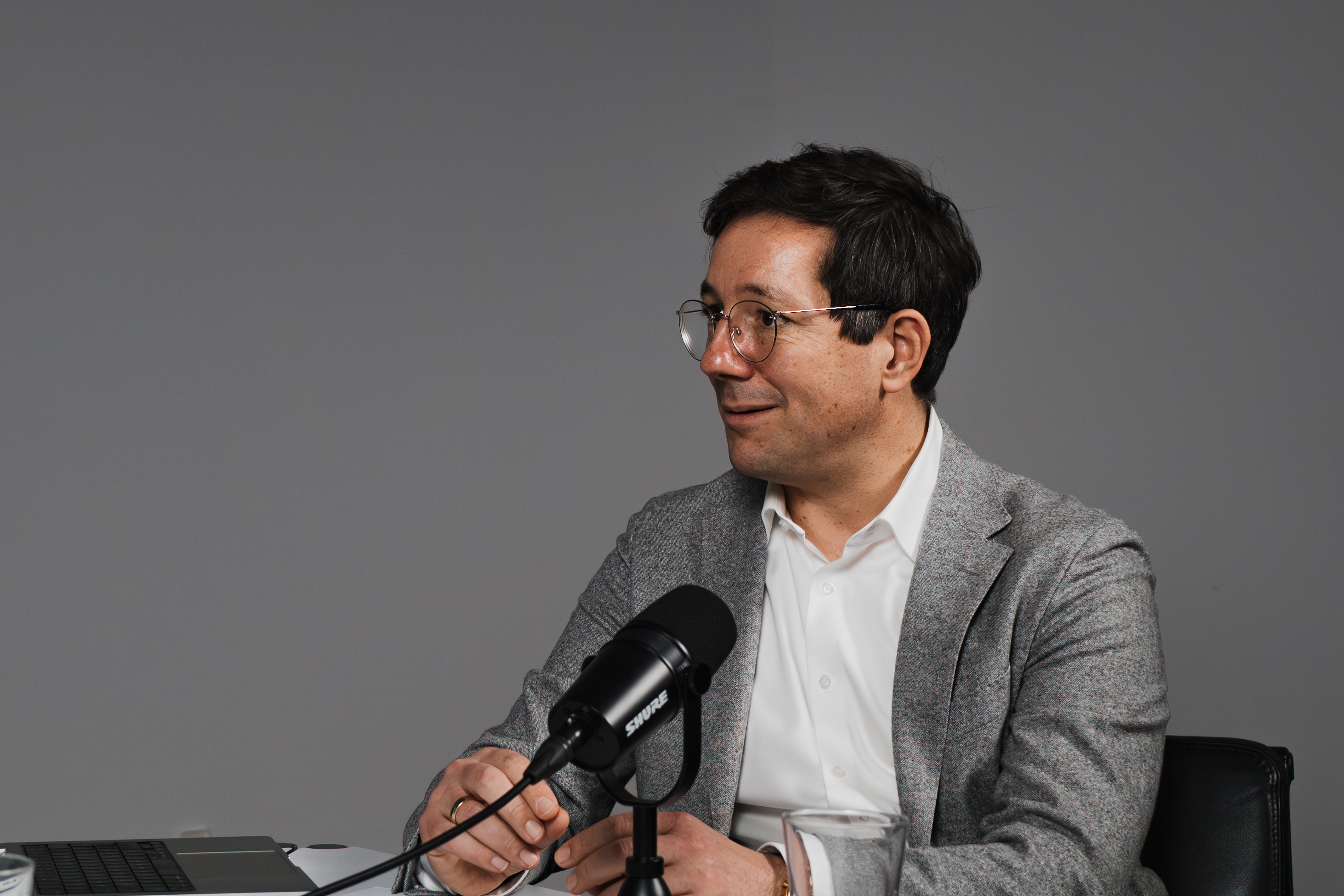
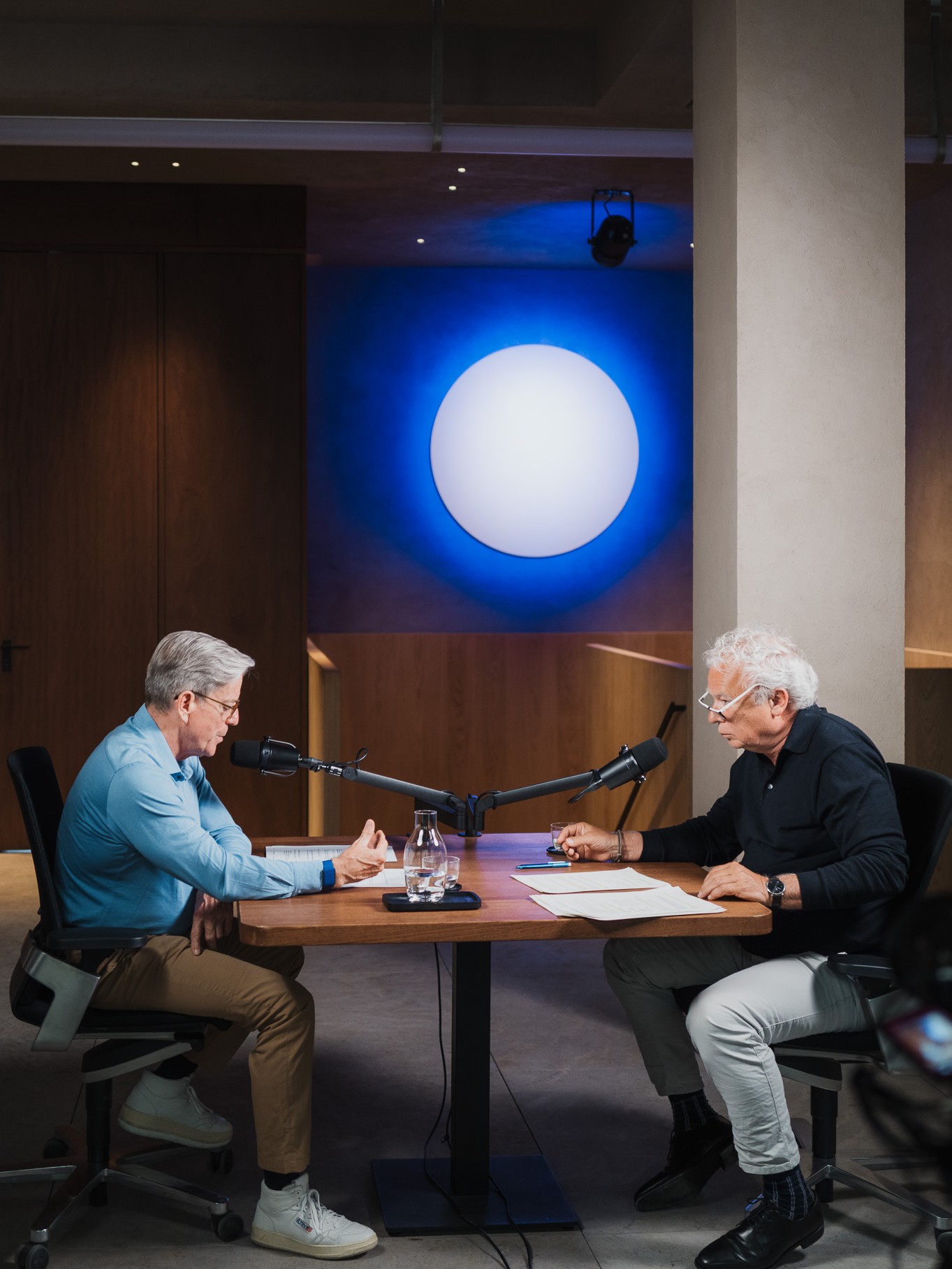
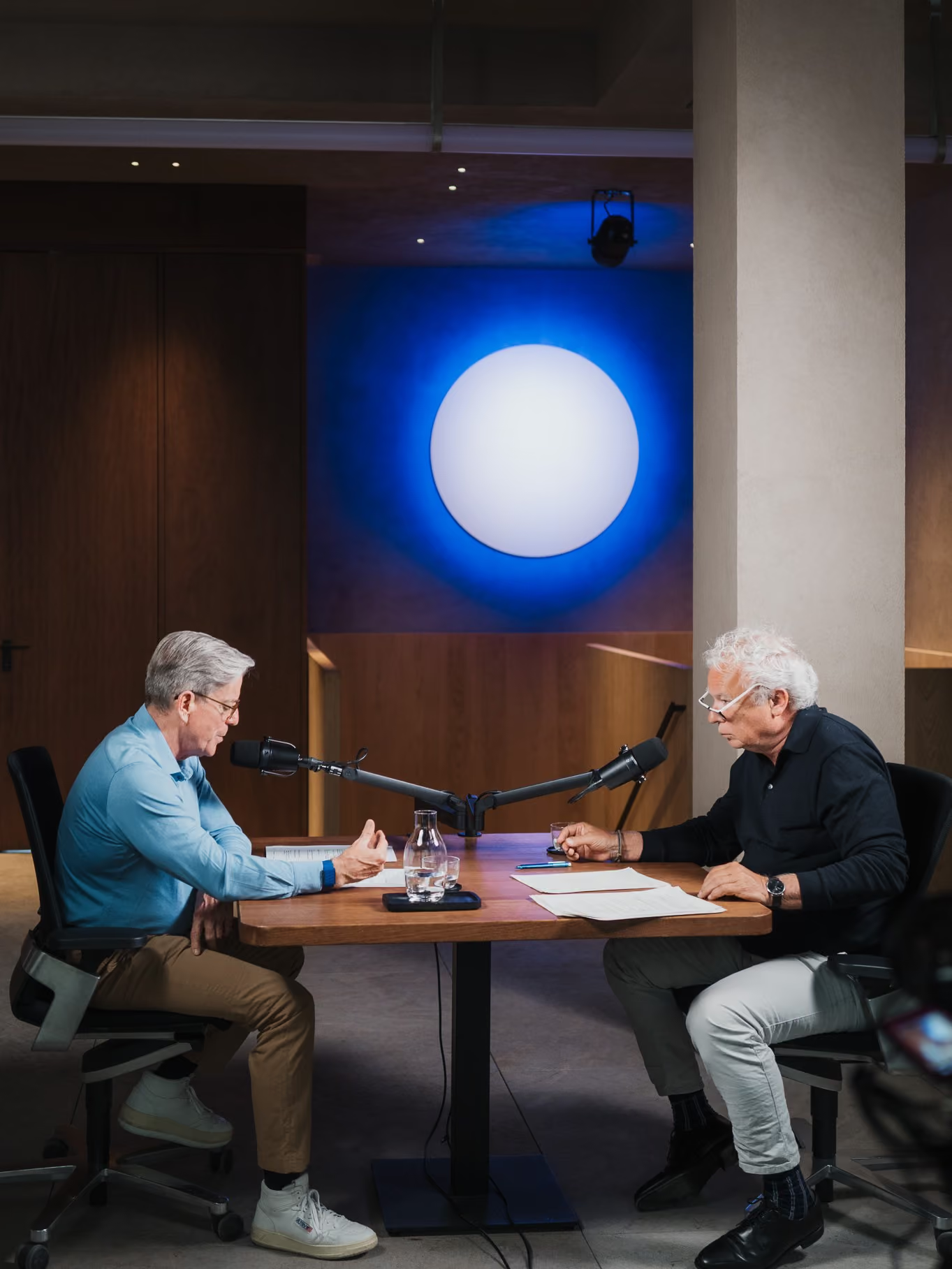
Founders or in-house specialists in conversation about the questions customers actually ask. This is the core format for thought leadership and the natural basis of a podcast. It uses knowledge that is already in the building, which makes it the cheapest format to start and the hardest for a competitor to copy.
External experts, partners or industry voices. It extends your reach by the guest's own audience and positions the company as the host of its industry rather than one more participant in it. The side effect matters as much as the reach: hosting is a status position, and people notice who holds it.
The customer describes the situation they were in, the path they took and the result they got. This is the most credible form of reference available, far stronger than a testimonial quote on a website, because the audience watches someone reason through a decision they are considering themselves.
One person from the team, their role, their working day. The foundation of every employer brand, and the format that answers the question candidates actually have: what is it like here on a normal Tuesday.
Management on decisions, principles and mistakes. Done honestly, it builds trust with customers and applicants at the same time, because both groups are trying to establish the same thing: whether the people in charge are worth believing.
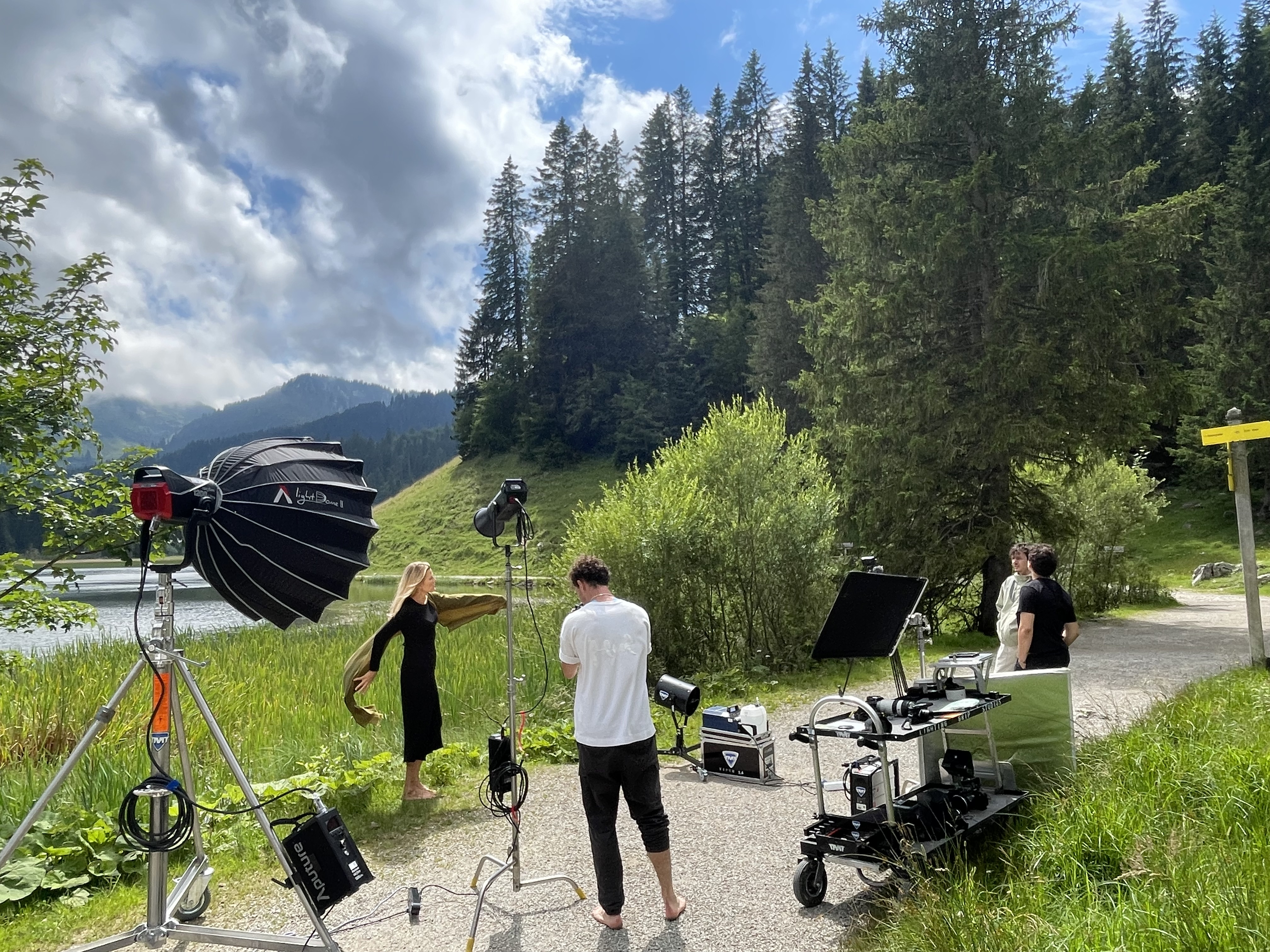
Interviews on location: at the event, on the project, behind the scenes. Short, close, unpolished. These deliver the most authentic clips and cost the least to produce, because the setting does most of the production work.
Questions from comments, direct messages and sales conversations, answered on camera. It involves the audience and answers publicly what is being asked privately anyway. It is also the format that never runs out of ideas, because the audience supplies them.
For attention: situational formats and clips cut from guest interviews. For trust: expert talks, customer interviews and employee portraits. For decisions: customer interviews and leadership talks, placed where the decision is actually made, on the service page and the careers page rather than only in the feed.
A strong content system runs two or three formats in a fixed rhythm. Running all seven at once produces a channel with no recognisable shape, and it exhausts the people in front of the camera, who are usually the same people running the business.
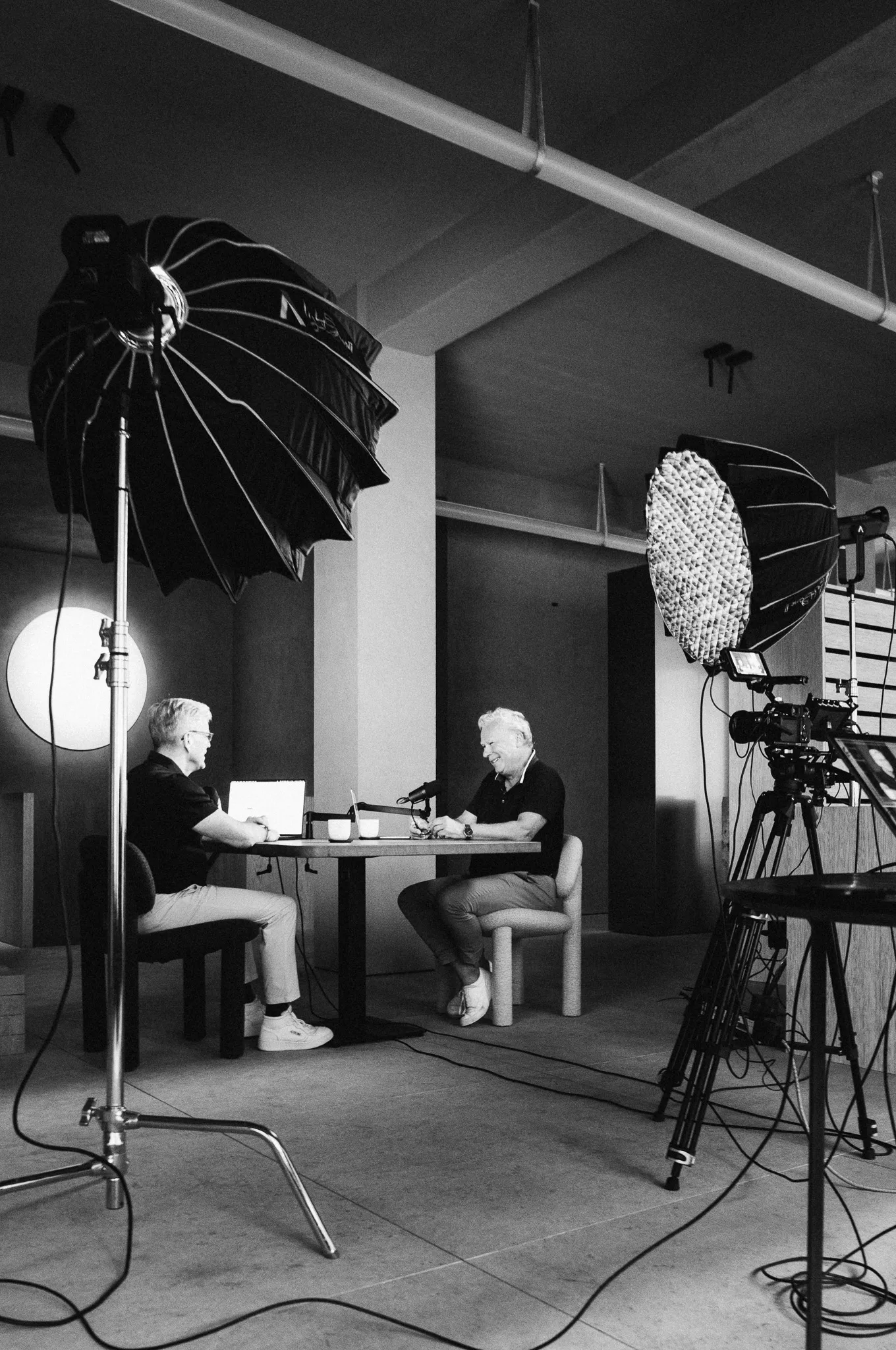
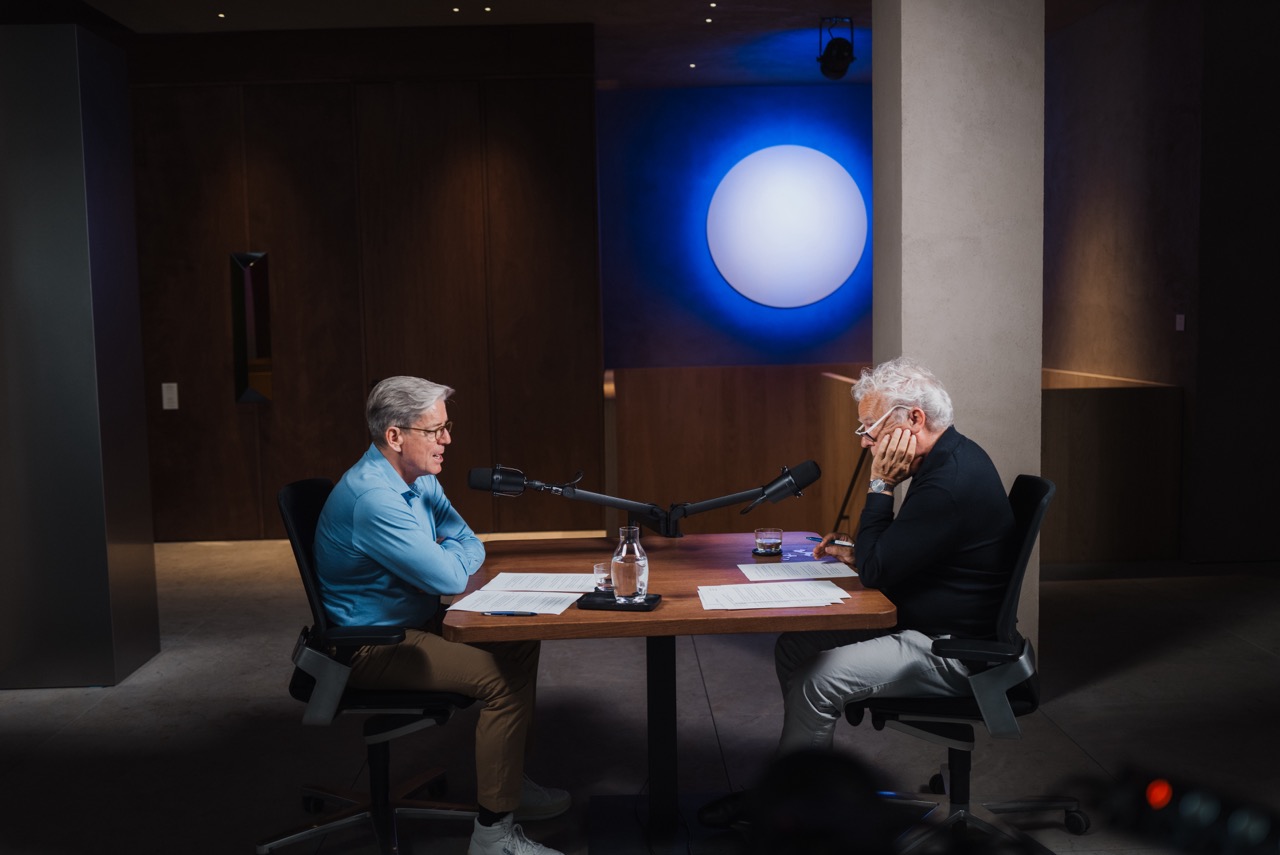
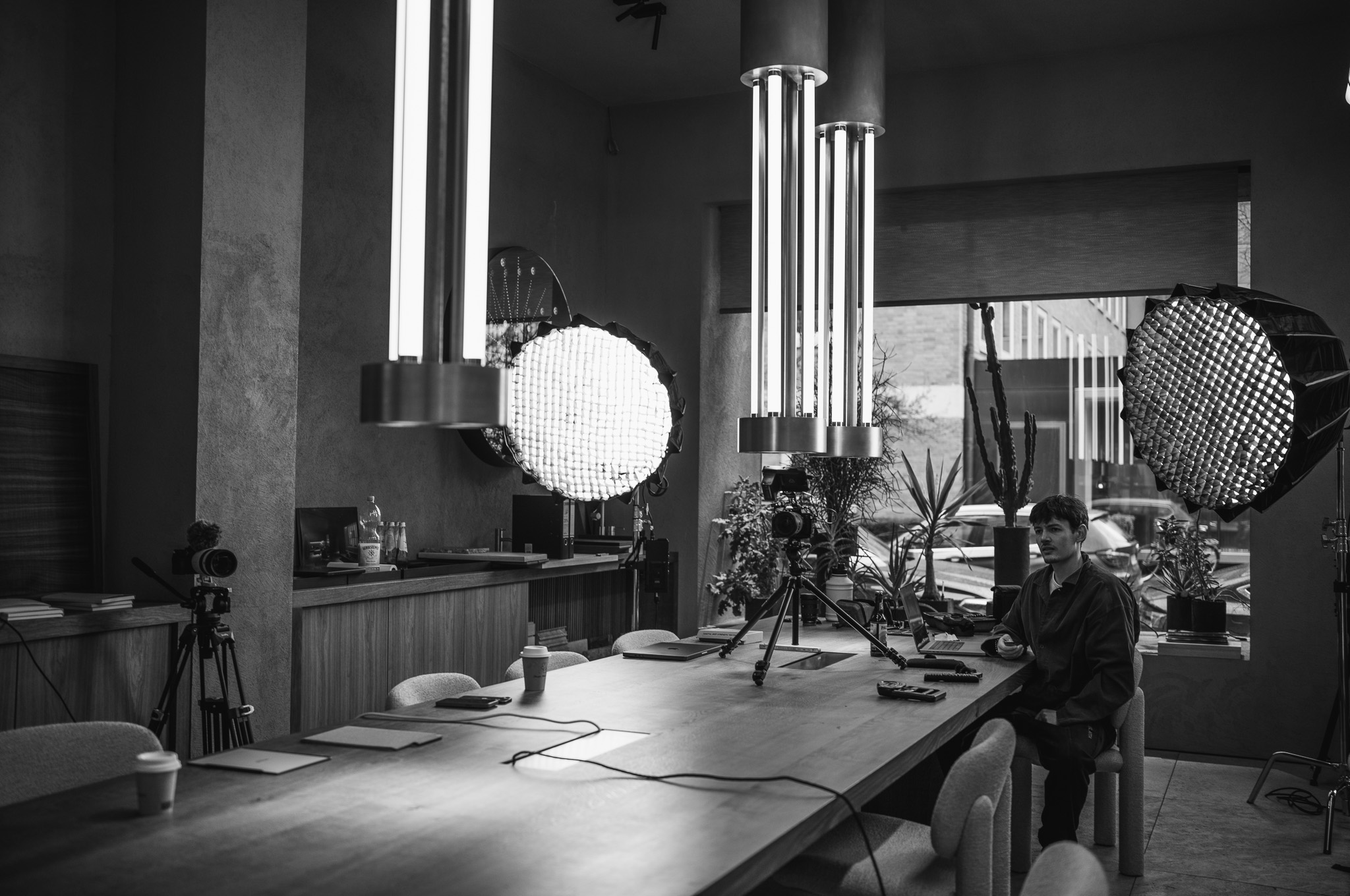
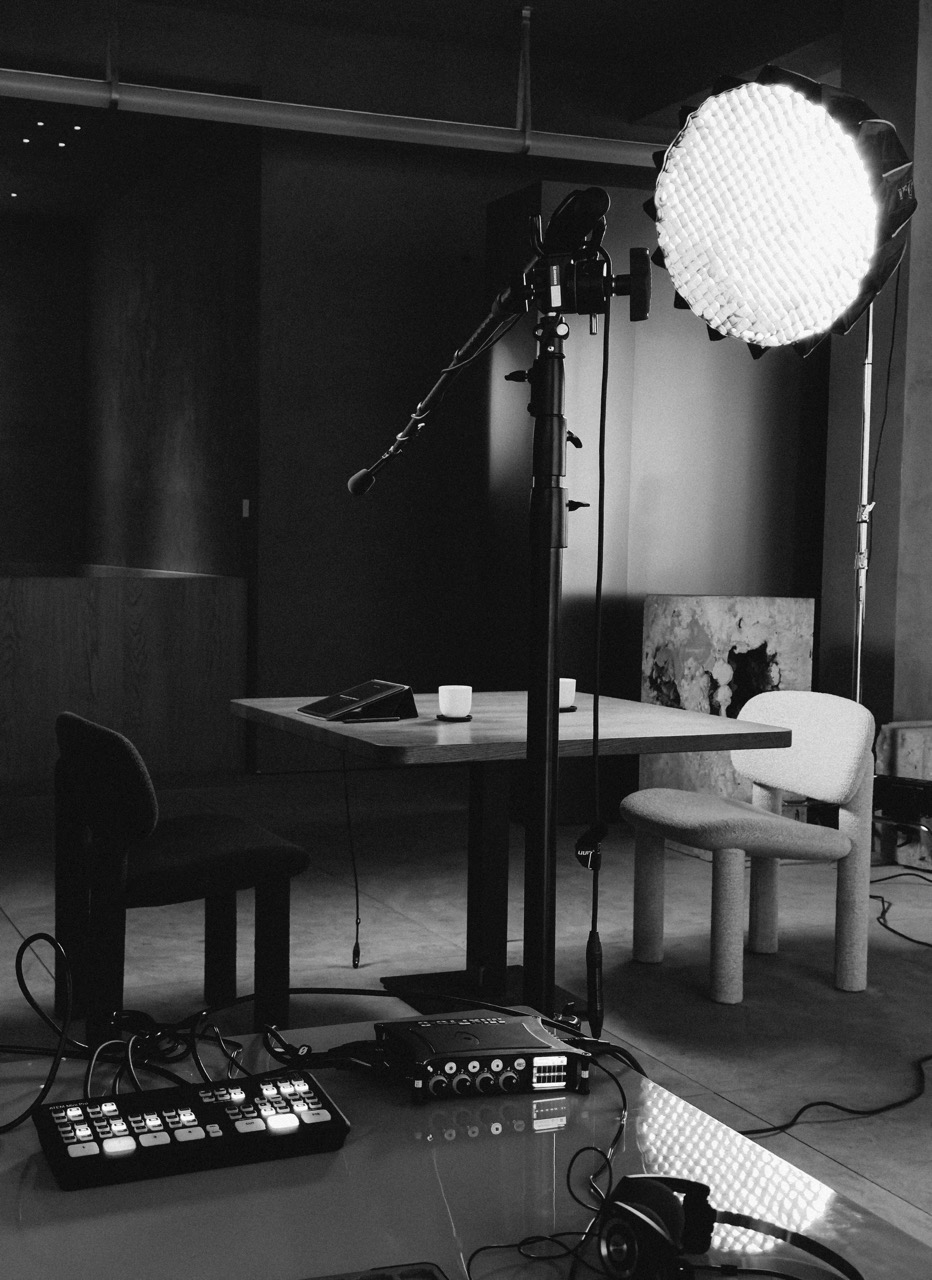
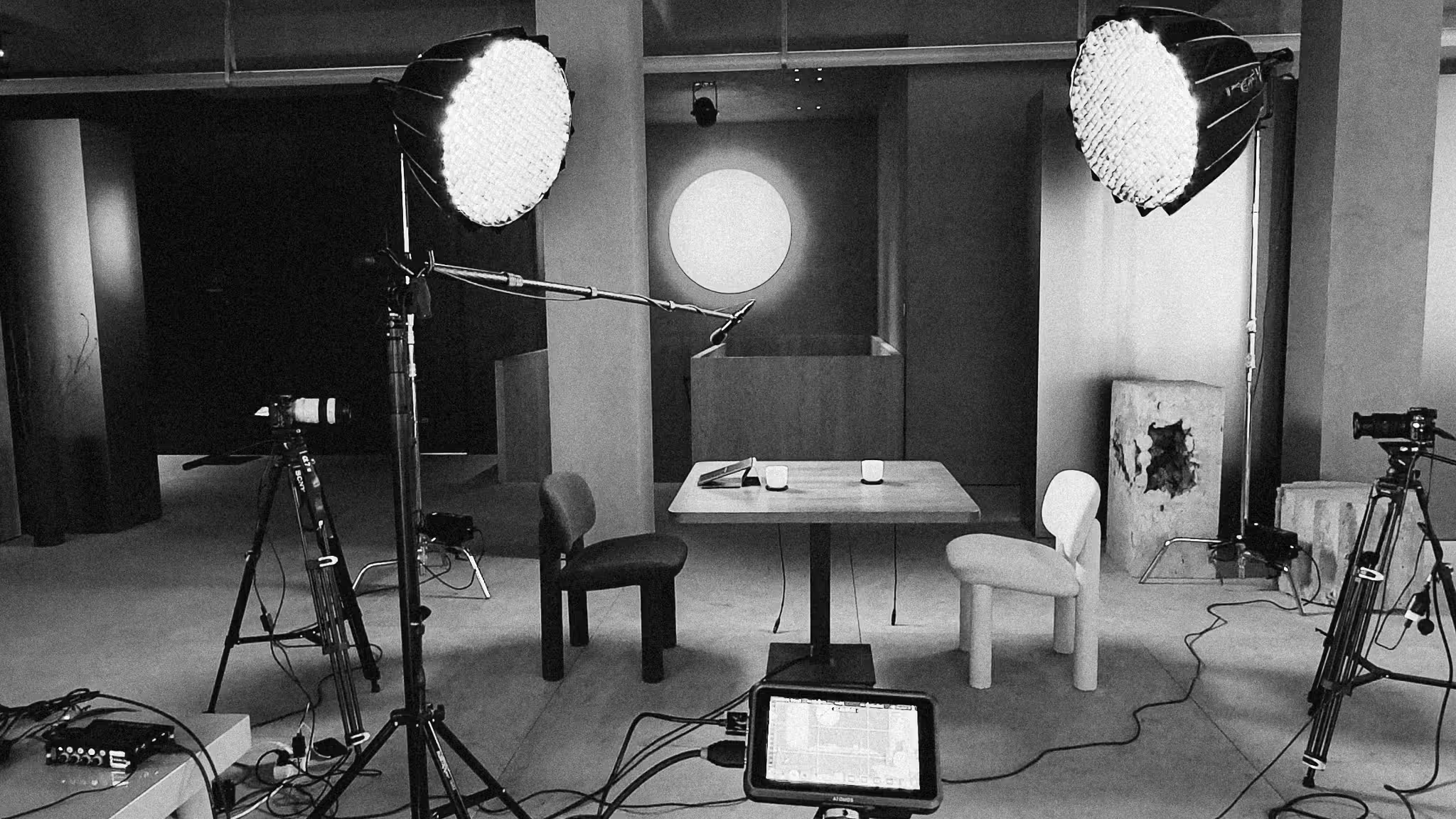
All seven formats fit into a single production framework: one set, one shoot day, several conversations back to back. That is a month of content produced in a day, and it is the only model that survives a busy quarter. The alternative, filming something new every week, works until the business gets busy and then stops.
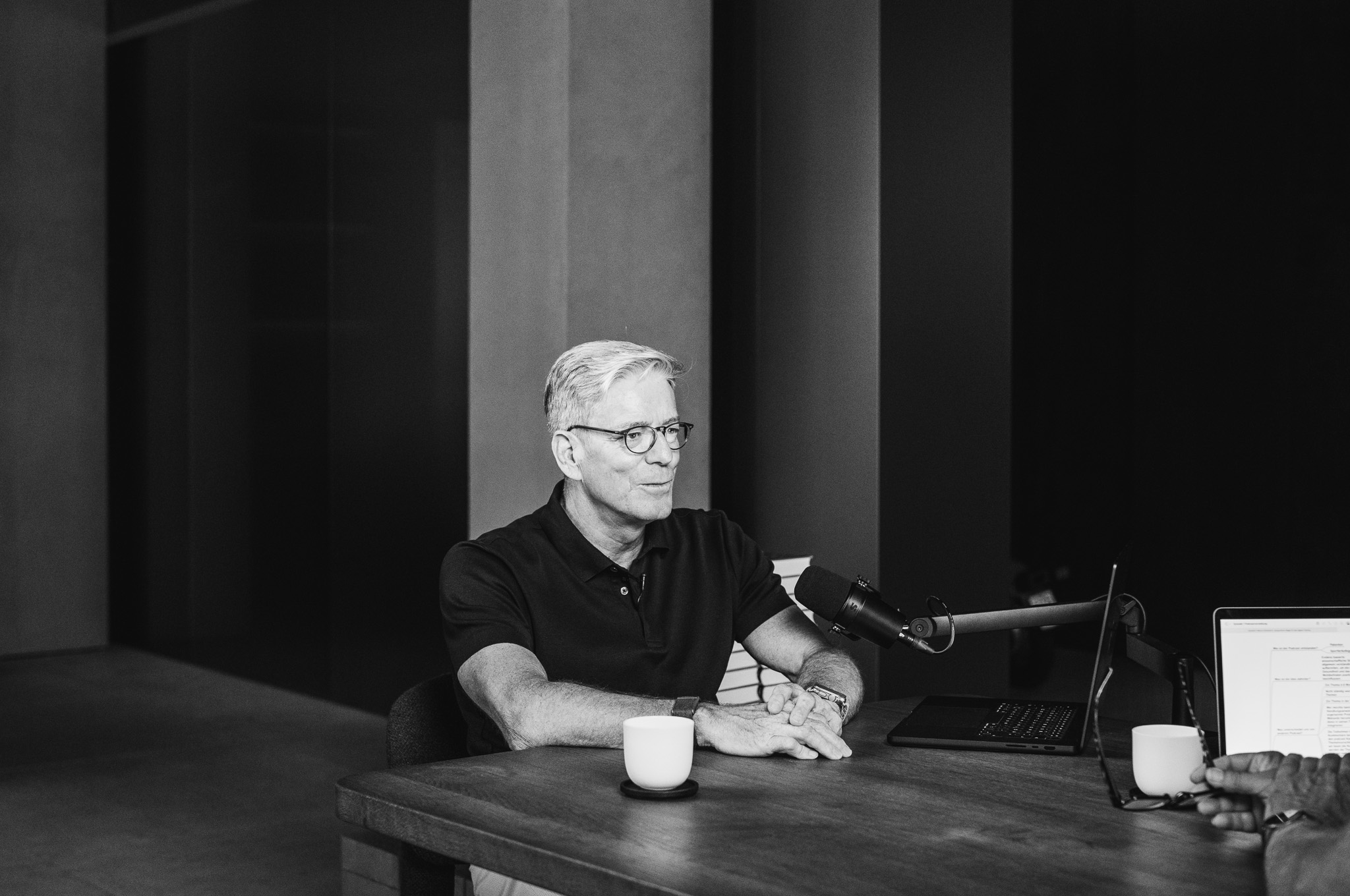
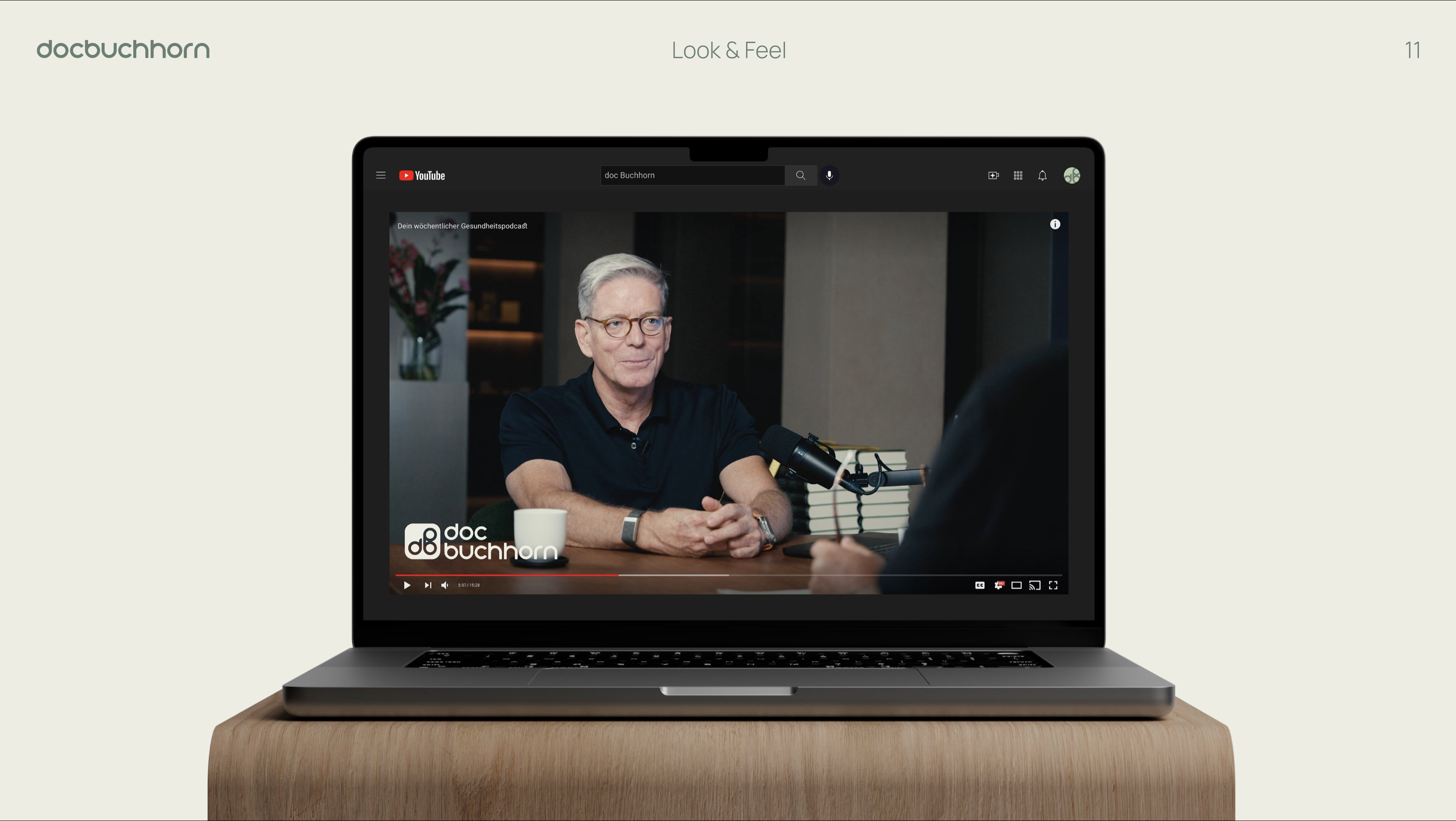
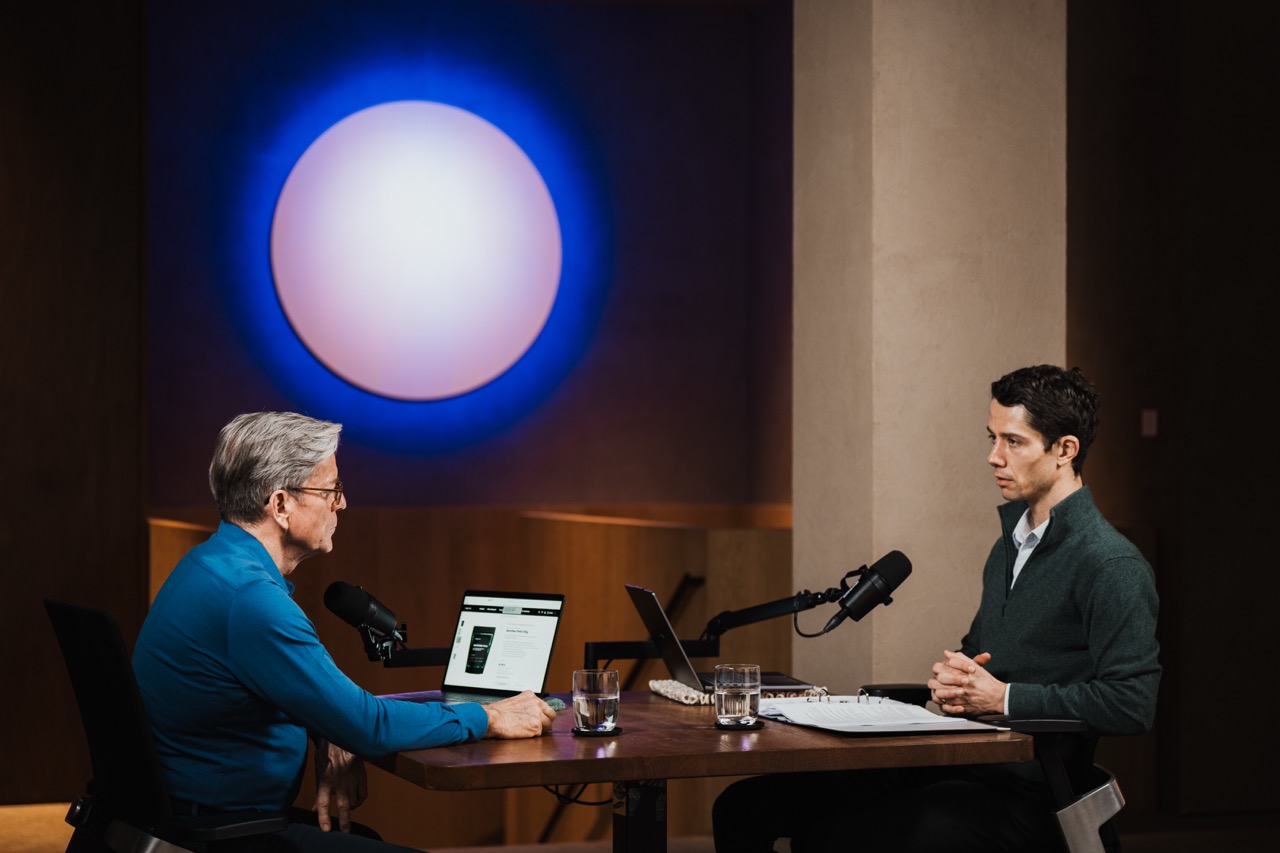
The video podcast "Umdenken" by Dr Tomas Buchhorn shows how far a consistently run interview format can carry a brand: more than 10,000 qualified followers in seven months and around 500,000 organic reach per month, all of it out of a regular recording rhythm. Read the case study.
Which two formats fit your goal is something we can settle in fifteen minutes. Book a free initial consultation.
The expert talk. It uses knowledge that is already in the building, needs no external guests and builds the authority every other format benefits from.
Two or three, in a fixed rhythm. More formats dilute recognisability and overload production.
No script, but a dramaturgy: clear guiding questions, a narrative thread and room to deviate. The best moments happen off script.
Thirty to sixty minutes for the full episode, five to fifteen minutes for situational formats. For distribution what counts anyway are the clips of thirty to ninety seconds taken from it.
