







.jpeg)




.jpeg)







Let's Get to Work
=
INFO@FADETOBLACK.IO
=
LETS Tell Your STORY
=
INFO@FADETOBLACK.IO
=


A hook stops the scroll when the first frame, the first line of text and the first spoken words all promise the same thing within roughly three seconds: a tension the viewer wants resolved. The strongest hooks are specific, start in the middle of the action and create a question that only the rest of the video answers. Generic openers such as "Hey guys" or a logo animation lose people before the content begins.
Instagram's head Adam Mosseri has repeatedly named watch time as one of the most important signals for how Reels are ranked. Watch time starts with the decision to keep watching, and that decision happens in the opening seconds. Everything below is about winning that moment.
Many viewers decide with the sound off, so the hook has to work on three layers at once. The image creates attention, the on screen text tells them what the video is about, and the voice adds personality for those who listen. When the three say different things, the hook falls apart. When they reinforce each other, it holds.
Keep the on screen text short enough to read in one glance, place it inside the safe zone away from the interface elements, and let it appear in the very first frame. Instagram also shows the opening frame as a preview in some places, so it should work as a still image as well.
A hook that over promises gets the first three seconds and loses the next ten. The viewer feels tricked and leaves, which hurts watch time more than a quieter opening would have. The best hooks are honest: they make a real promise and the video pays it off quickly. Get to the first piece of value within the next few seconds and cut every pause.
Hooks also do not have to be loud. For premium brands, a calm, cinematic first frame with one precise line of text often outperforms shouting at the camera. The pattern still applies: tension first, resolution later.
Film the same video with two or three different openings and publish them as separate tests, for example as Trial Reels to non-followers. Compare how many people keep watching past the first seconds in your insights. After a few rounds you will see which patterns fit your audience. For the bigger picture on retention, read our analysis of Reel watch time in 2026, and to turn attention into interaction, see how to ask for comments and saves.
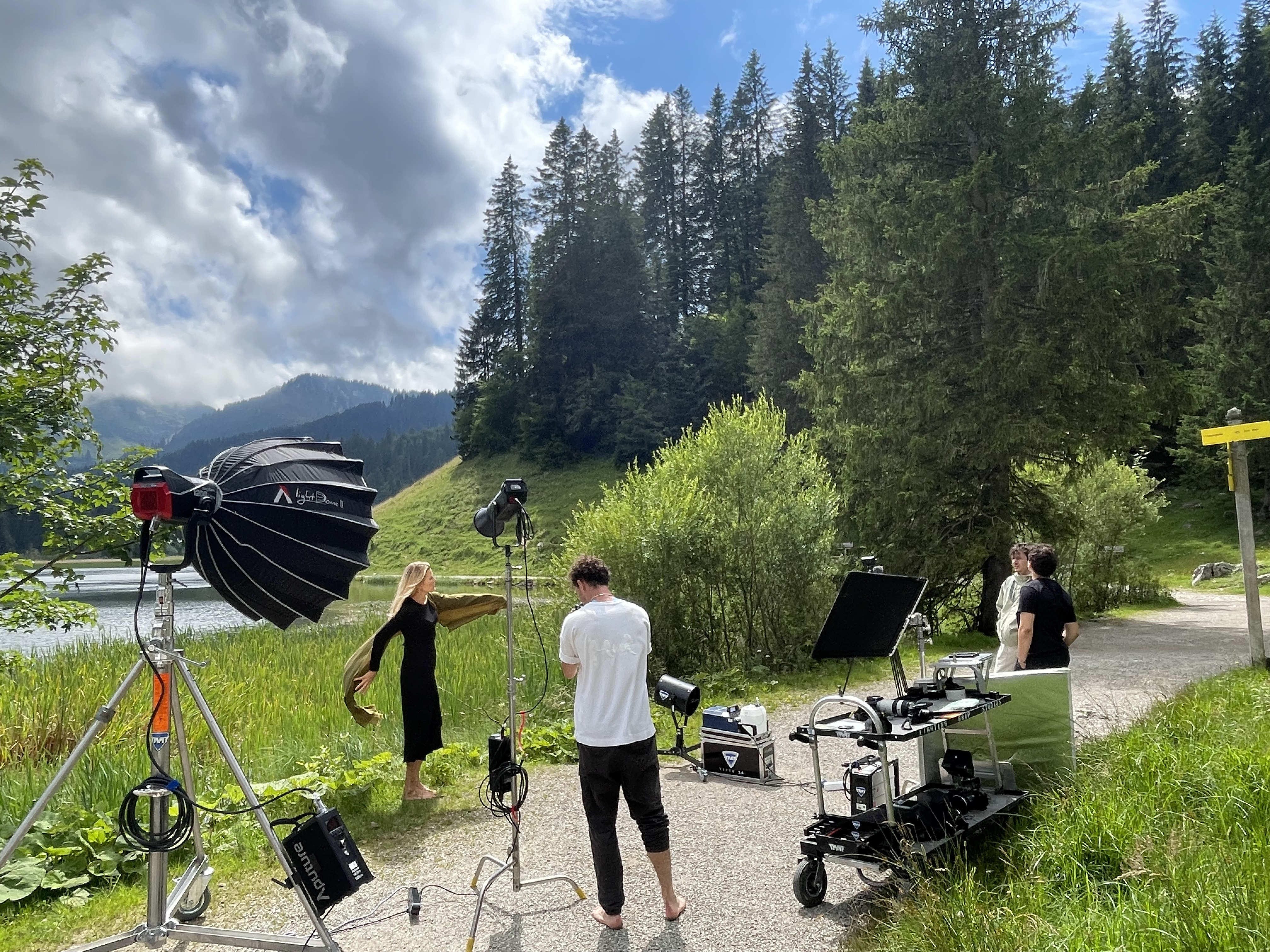
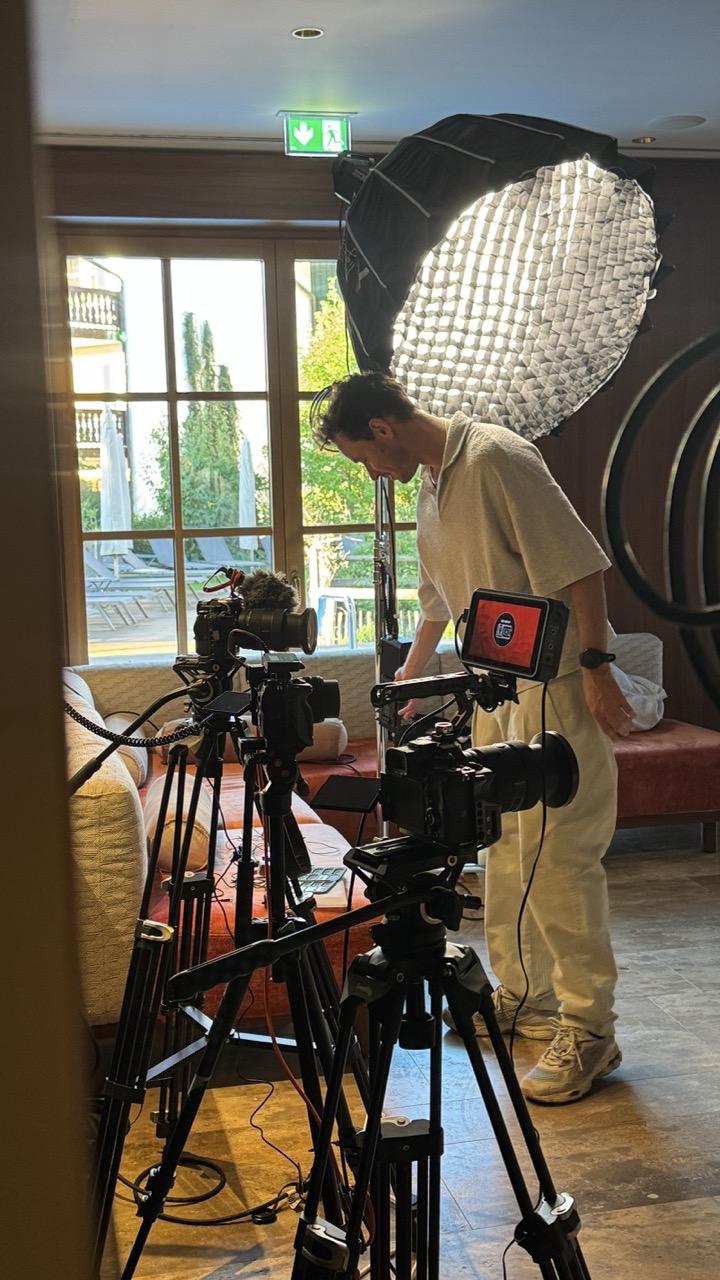
FADETOBLACK plans, films and edits short form video for brands in Munich, Paris and Barcelona, with hooks written before the camera rolls, not added in the edit.