






















Let's Get to Work
=
INFO@FADETOBLACK.IO
=
LETS Tell Your STORY
=
INFO@FADETOBLACK.IO
=


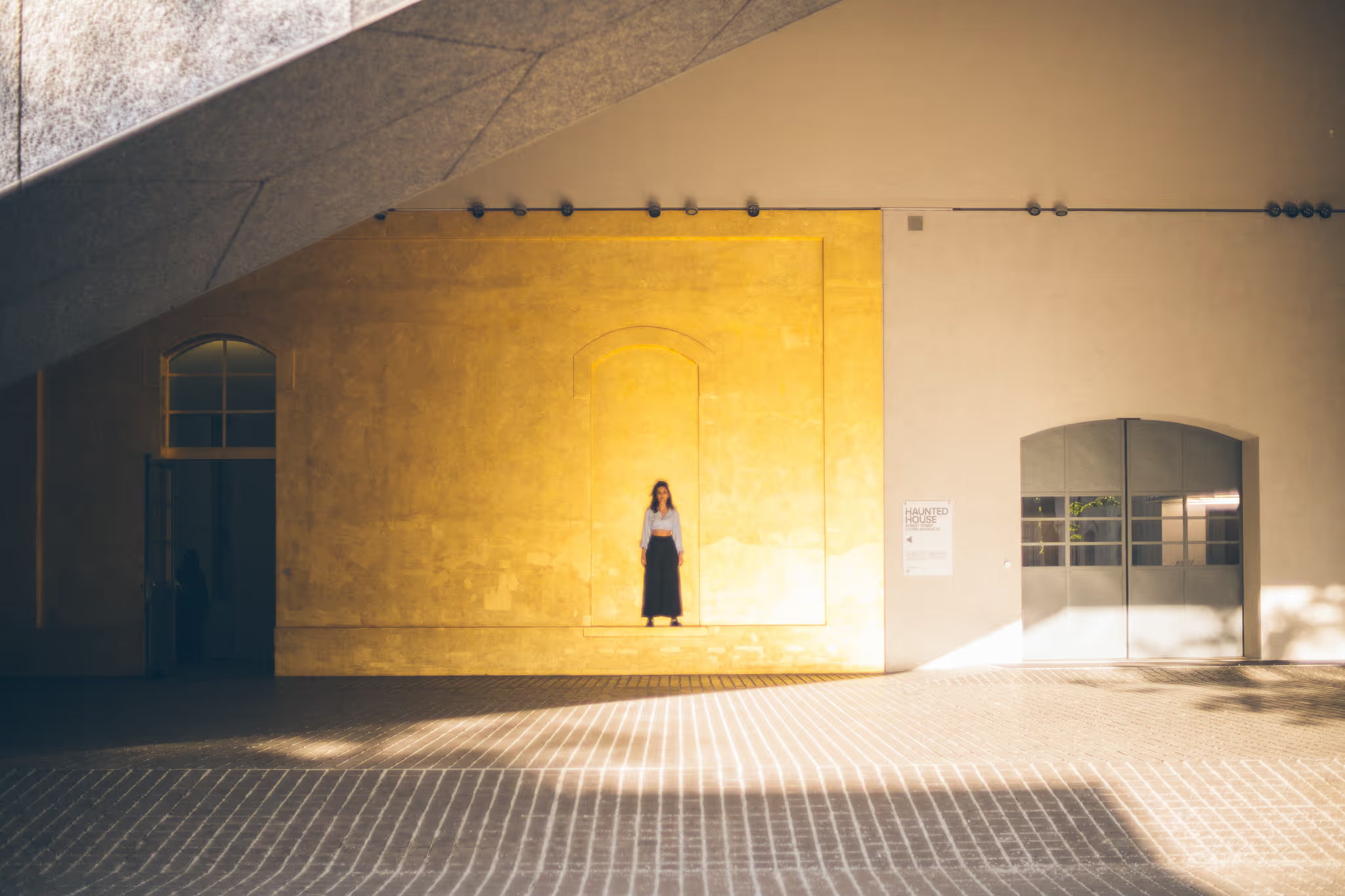
Architects and interior designers win on social media when they show how a project comes to life, not only how it looks on handover day. A finished room proves taste. The process proves judgement: why this material, why this wall moved, why the client's first idea was quietly replaced by a better one. Judgement is what a client actually pays for, and it is almost invisible in a polished final photo.
Scroll through any architecture hashtag and the problem is obvious. Beautiful interiors, perfect light, and after the tenth one they blur into each other. A prospective client cannot tell from a final image whether you listened, whether you solved a difficult floor plan, or whether the budget conversation was honest. Those are the questions that decide who gets the brief.
There is also a timing issue. Projects take months or years. If you only post at completion, your account goes quiet for long stretches and looks inactive exactly when someone checks you out.
Carousels are the natural home for architecture: before and after, plan to photo, sample to surface. They give people a reason to swipe and to save, which is why we recommend them for explanatory content (see our comparison of Instagram carousels and single images). Reels carry the site visits and the walk throughs. Stories are where the daily site life lives without pressure to look perfect.
For practices that work with developers, hotels or corporate clients, LinkedIn deserves the same process thinking. Decision makers there respond to the reasoning behind a project more than to the imagery alone.
Private residential clients often do not want their home online. Agree on this at the contract stage, not after handover. Many clients are happy for details, materials and anonymised spaces to be shown, as long as nothing reveals the address or their personal belongings. Commercial clients frequently welcome the visibility, so treat them as partners and tag them.
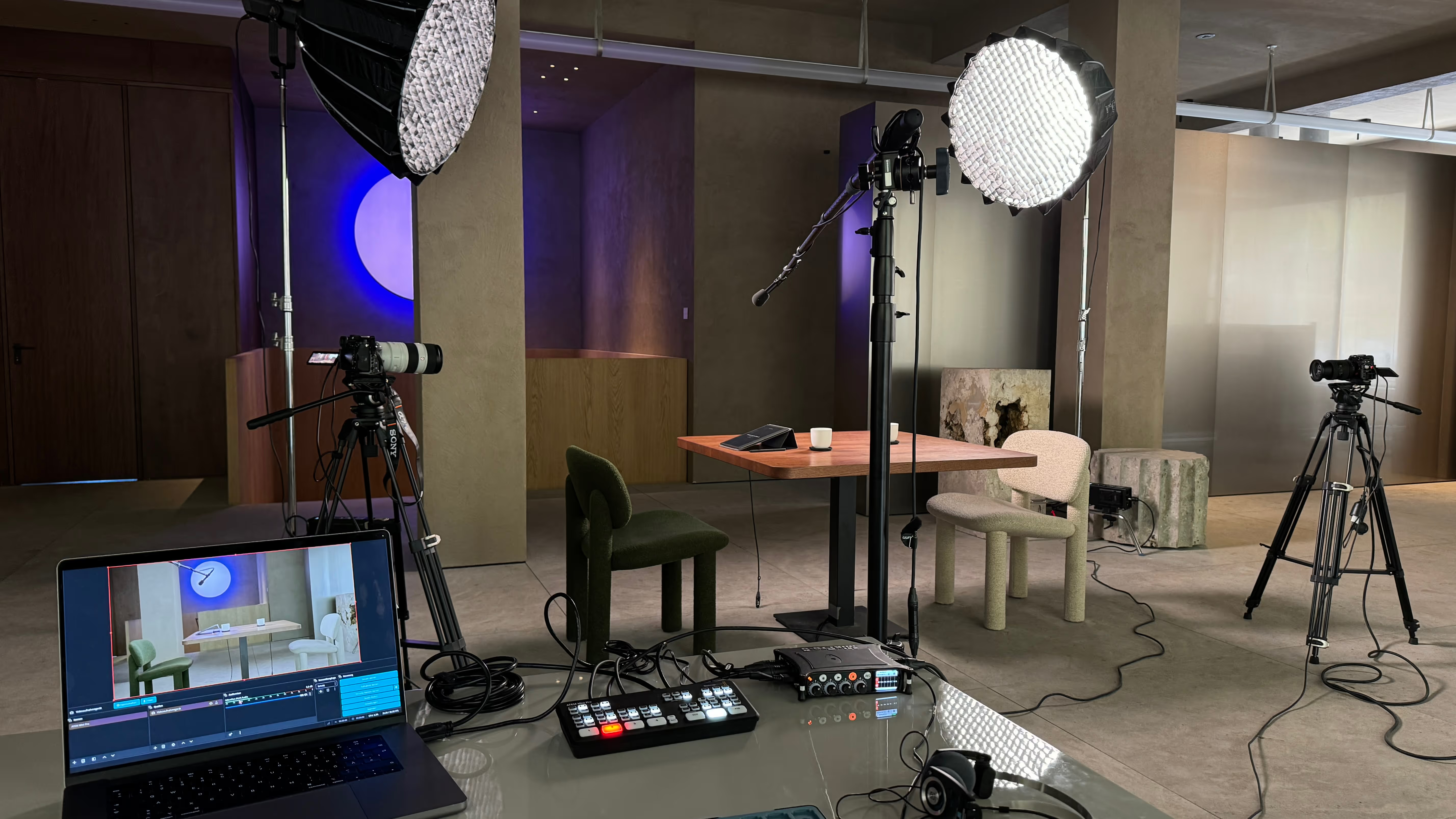
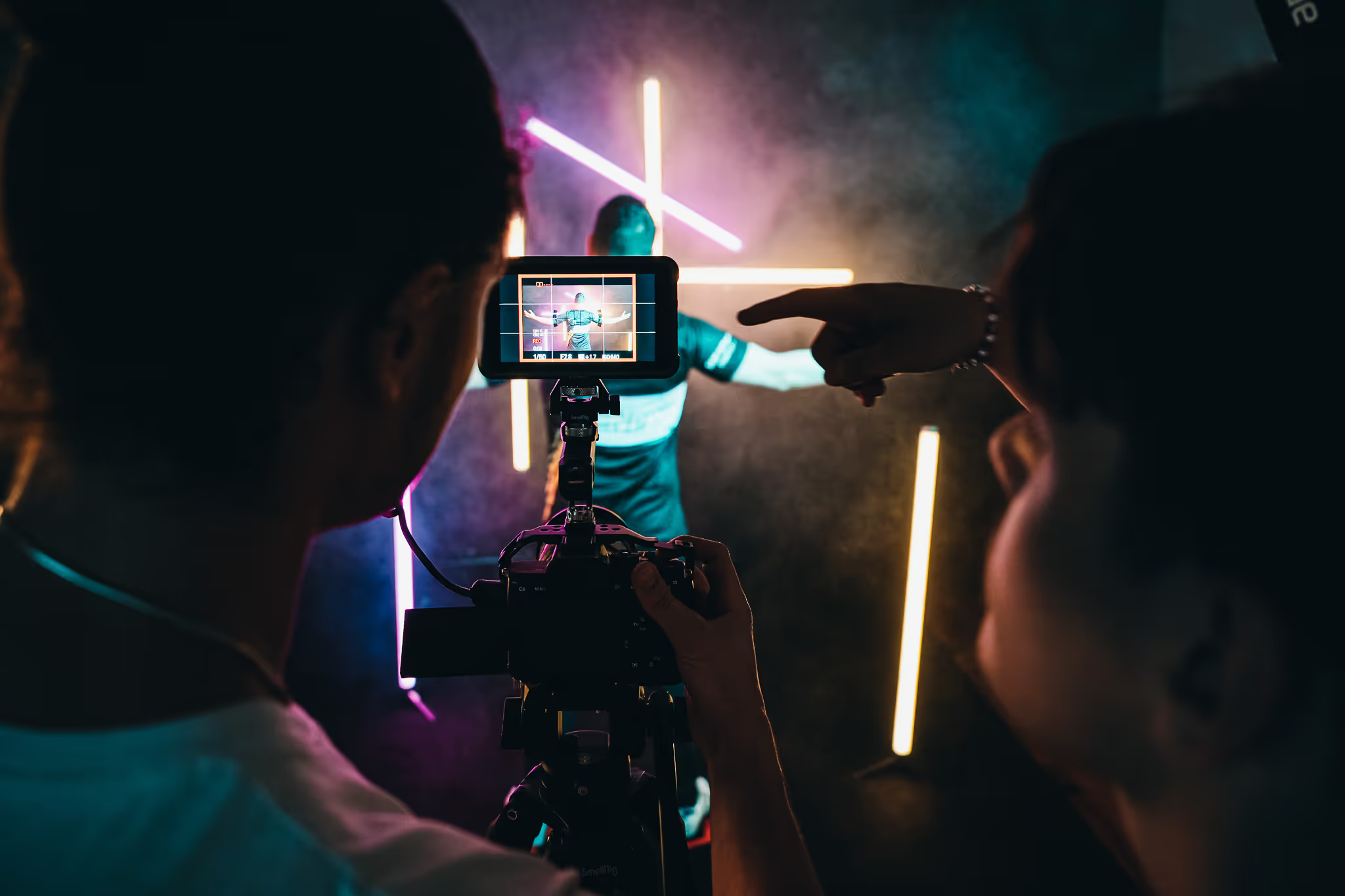
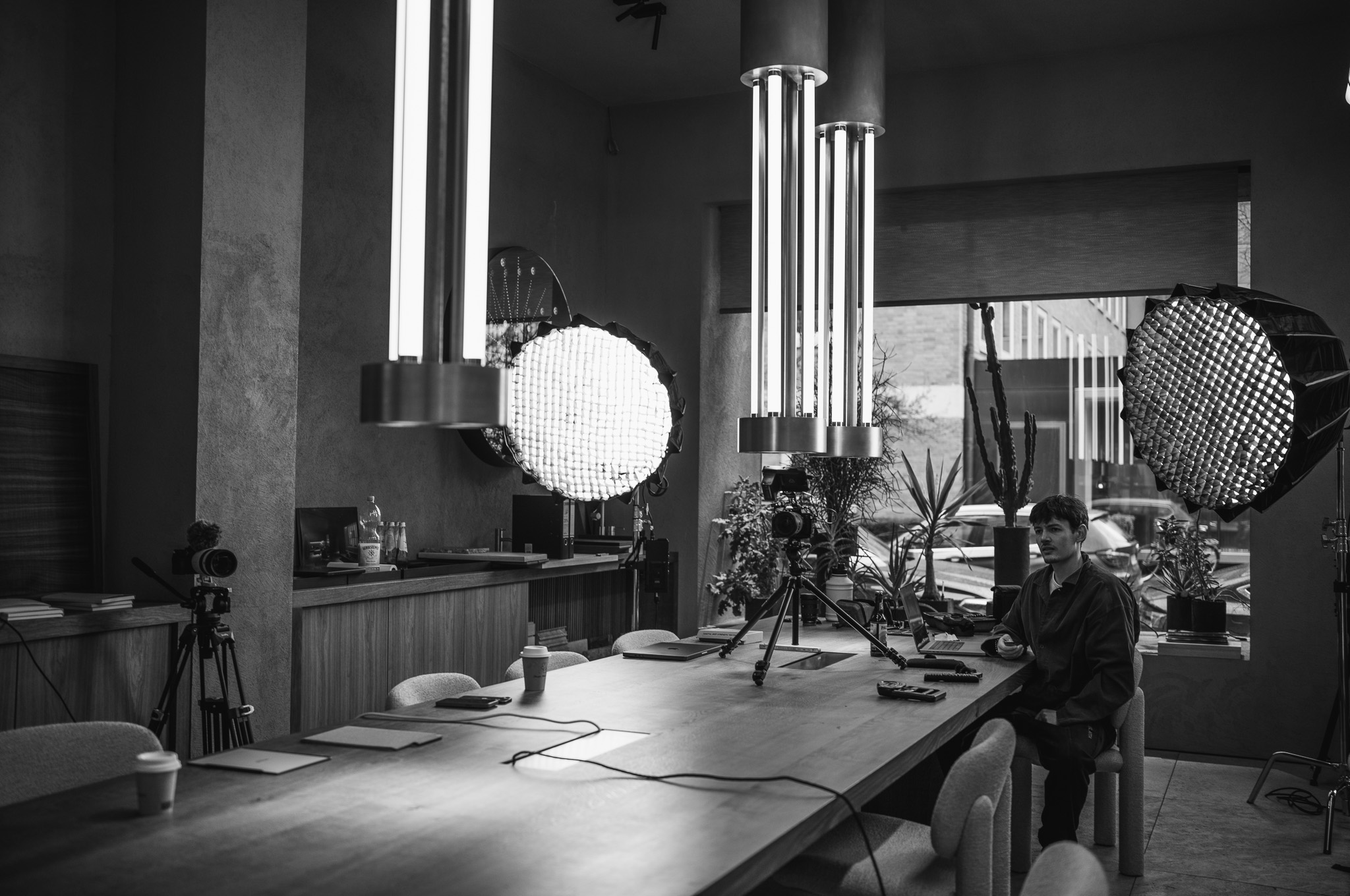
Plan one content moment per project phase: concept, materials, construction, reveal. Photograph and film during visits you are making anyway. A practice running three or four projects in parallel has more than enough material, it just needs to be captured on the day instead of reconstructed later.
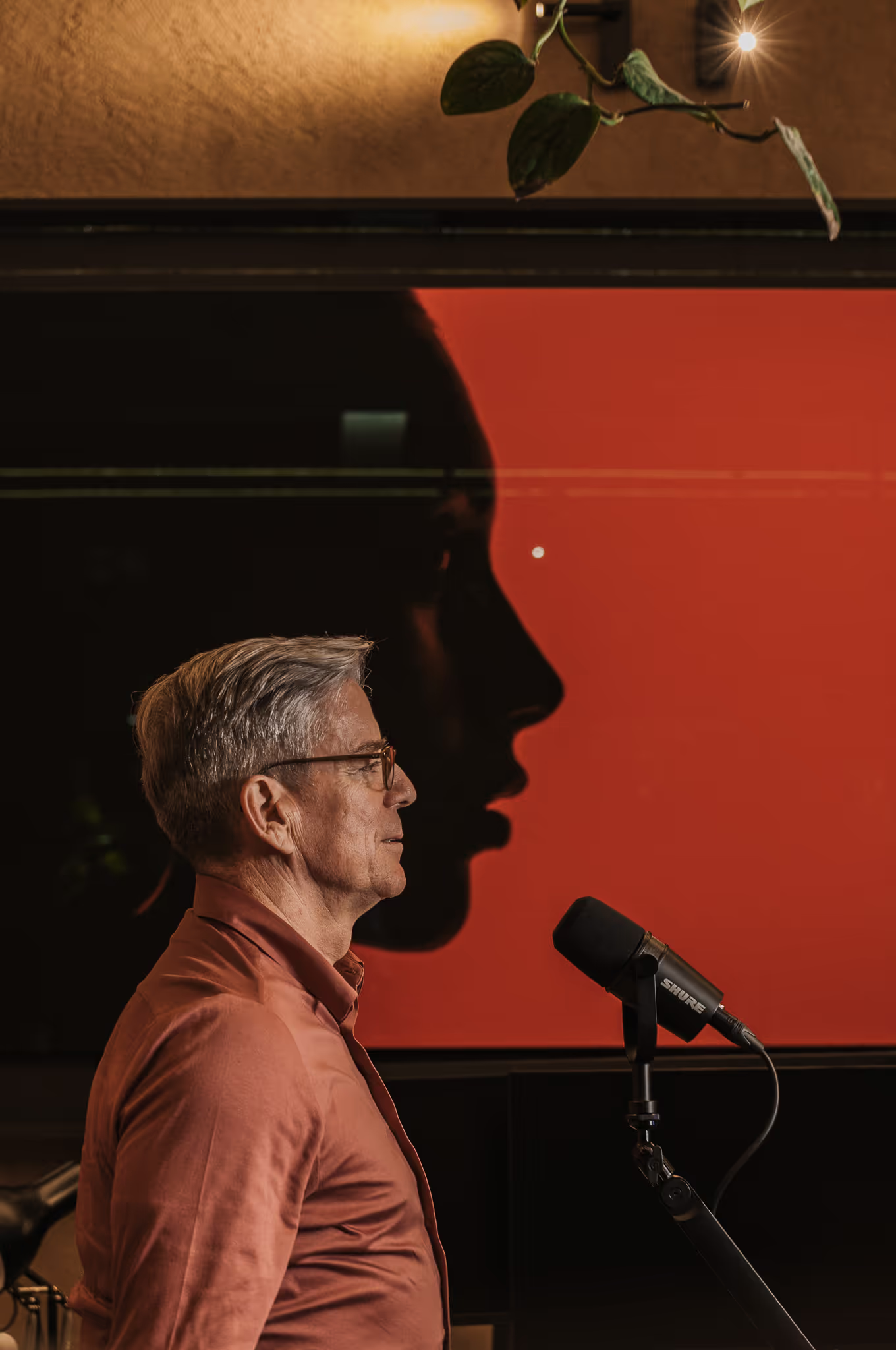
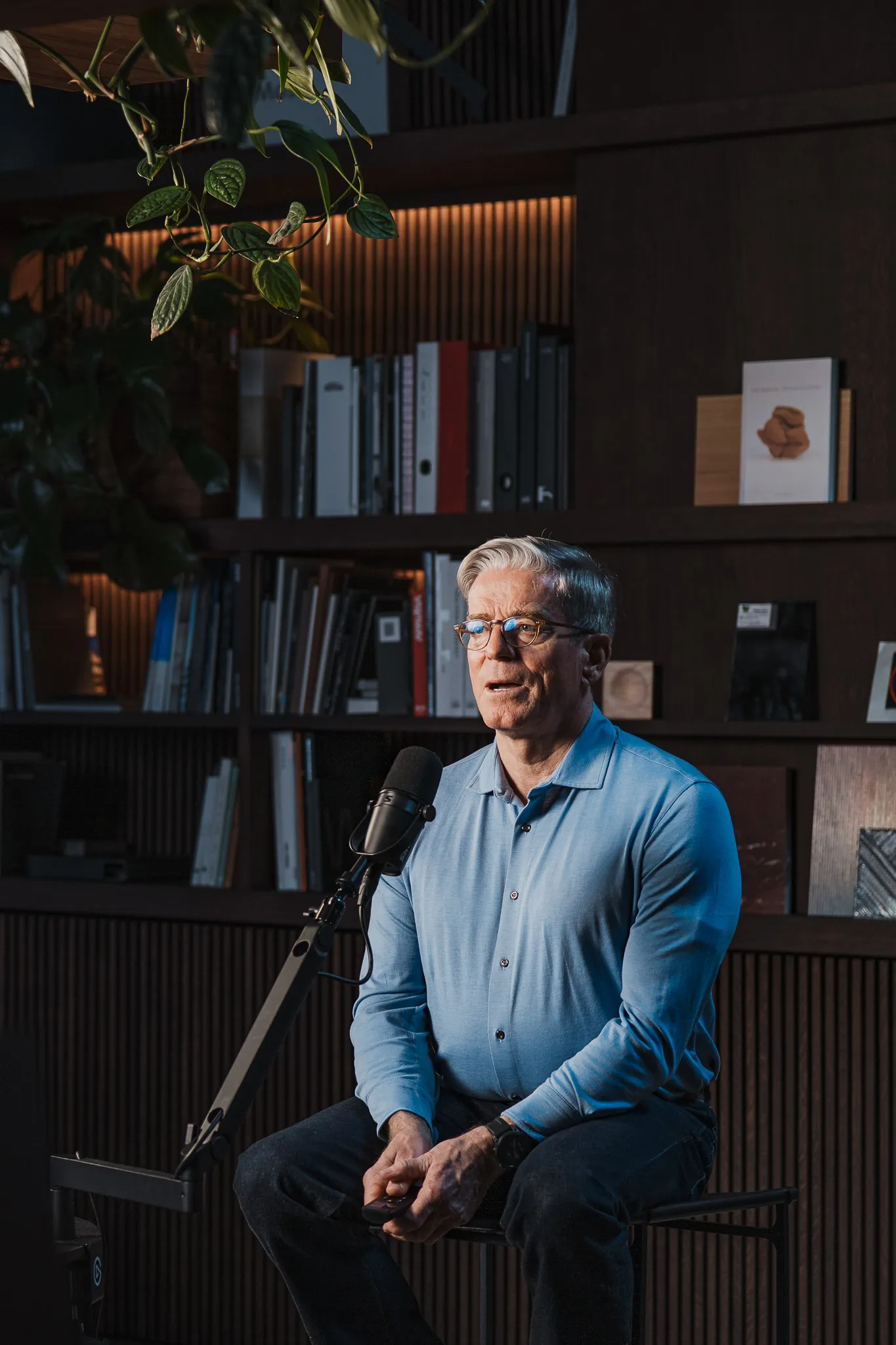
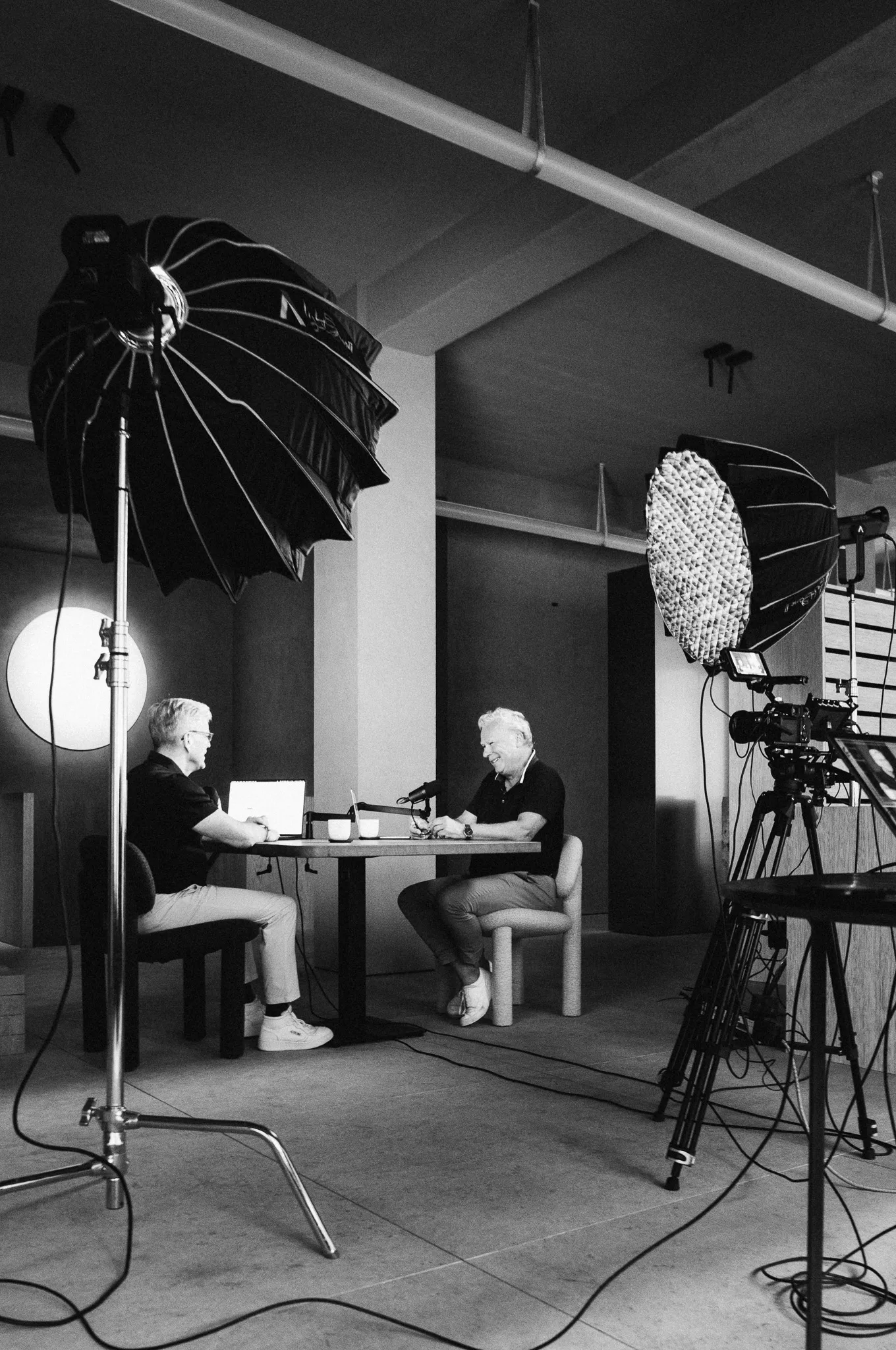
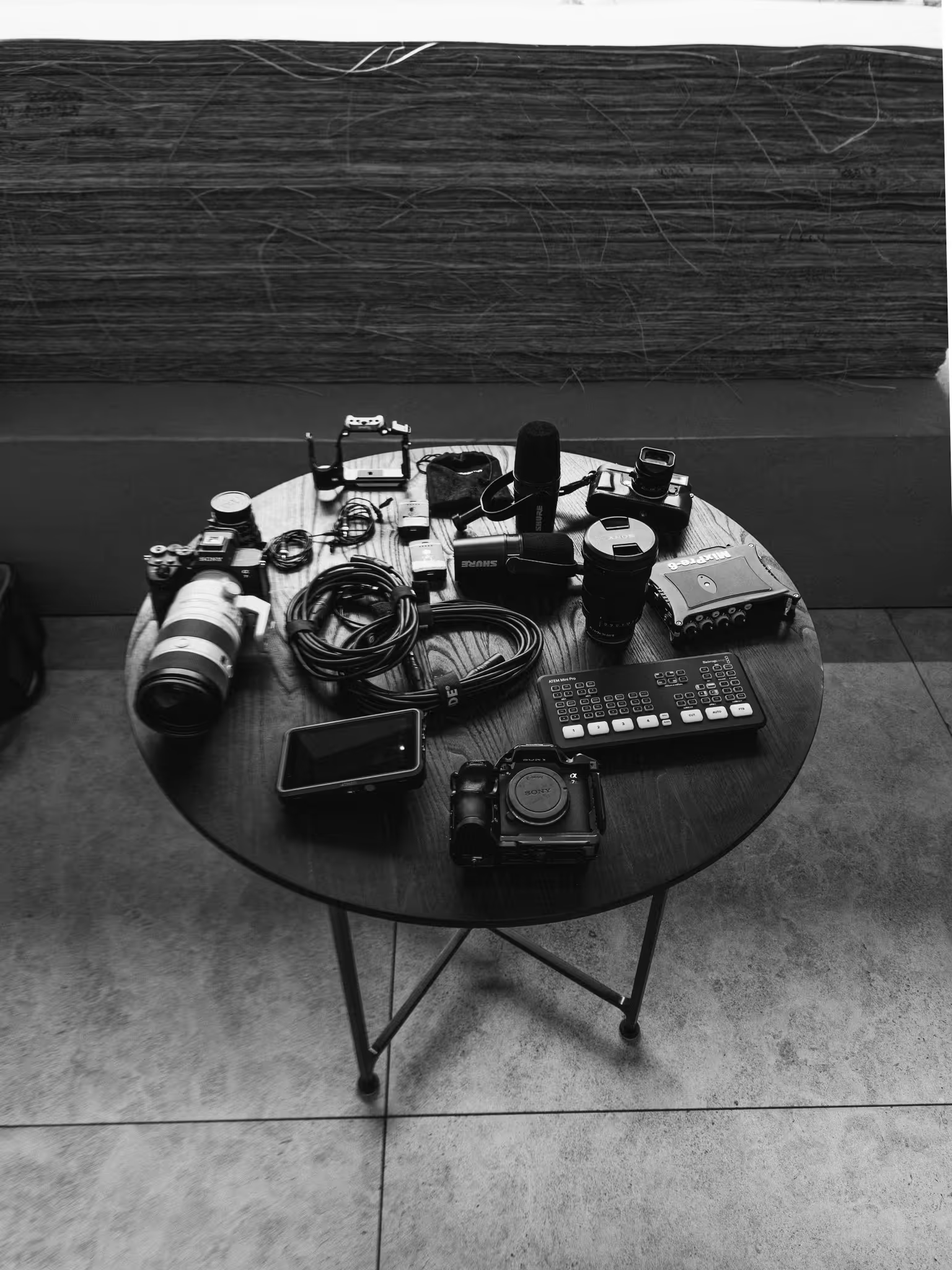
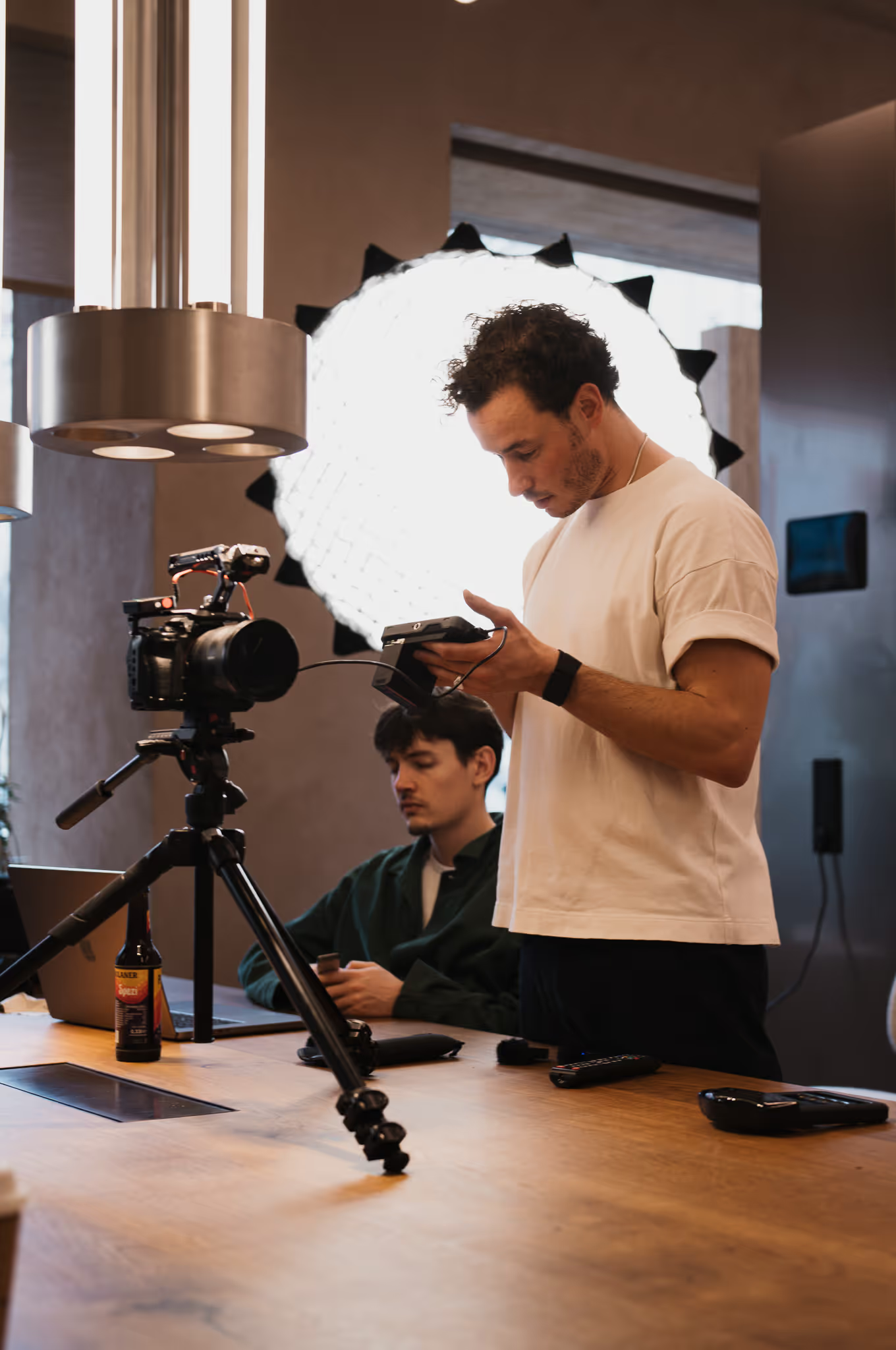
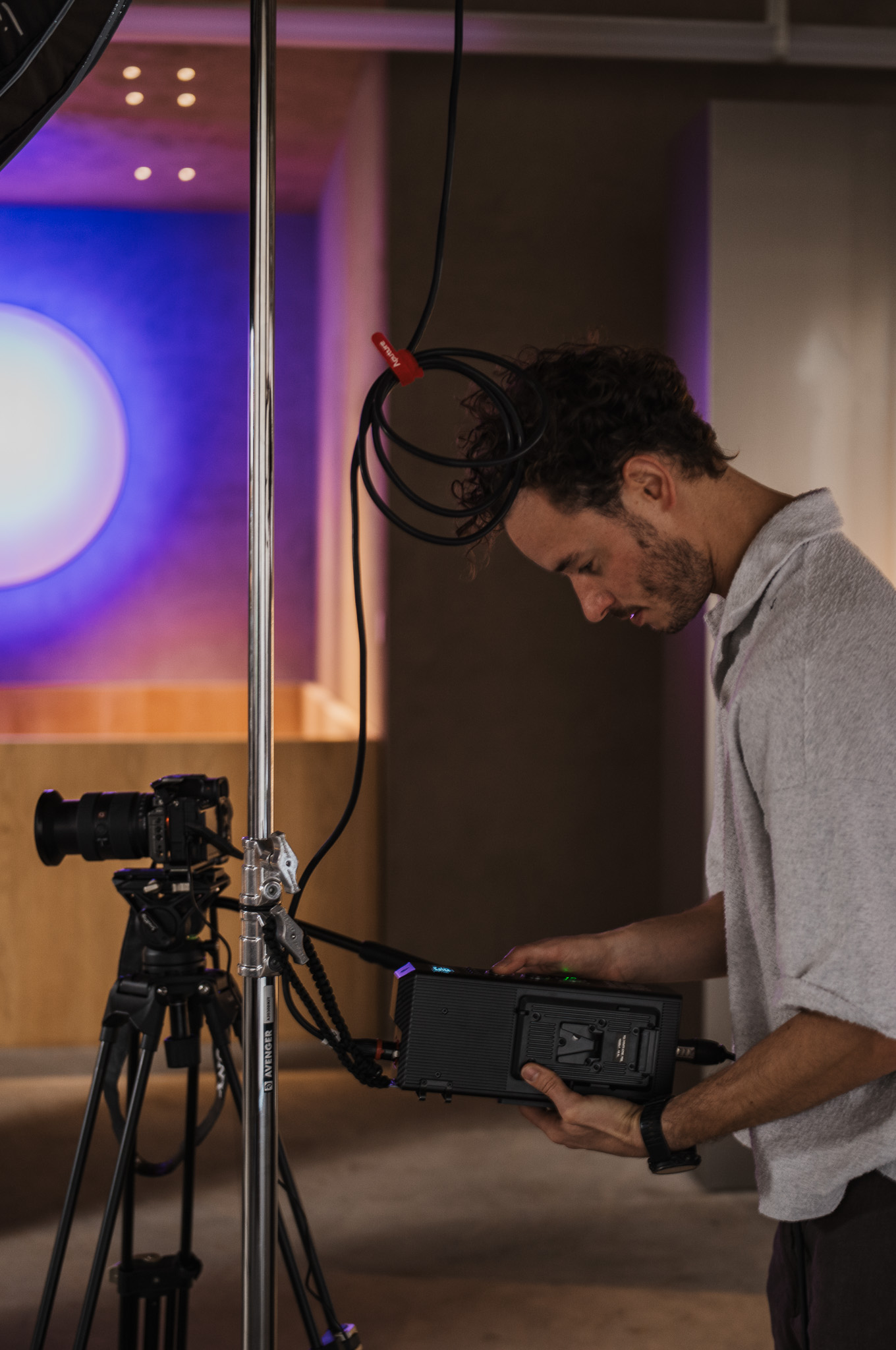
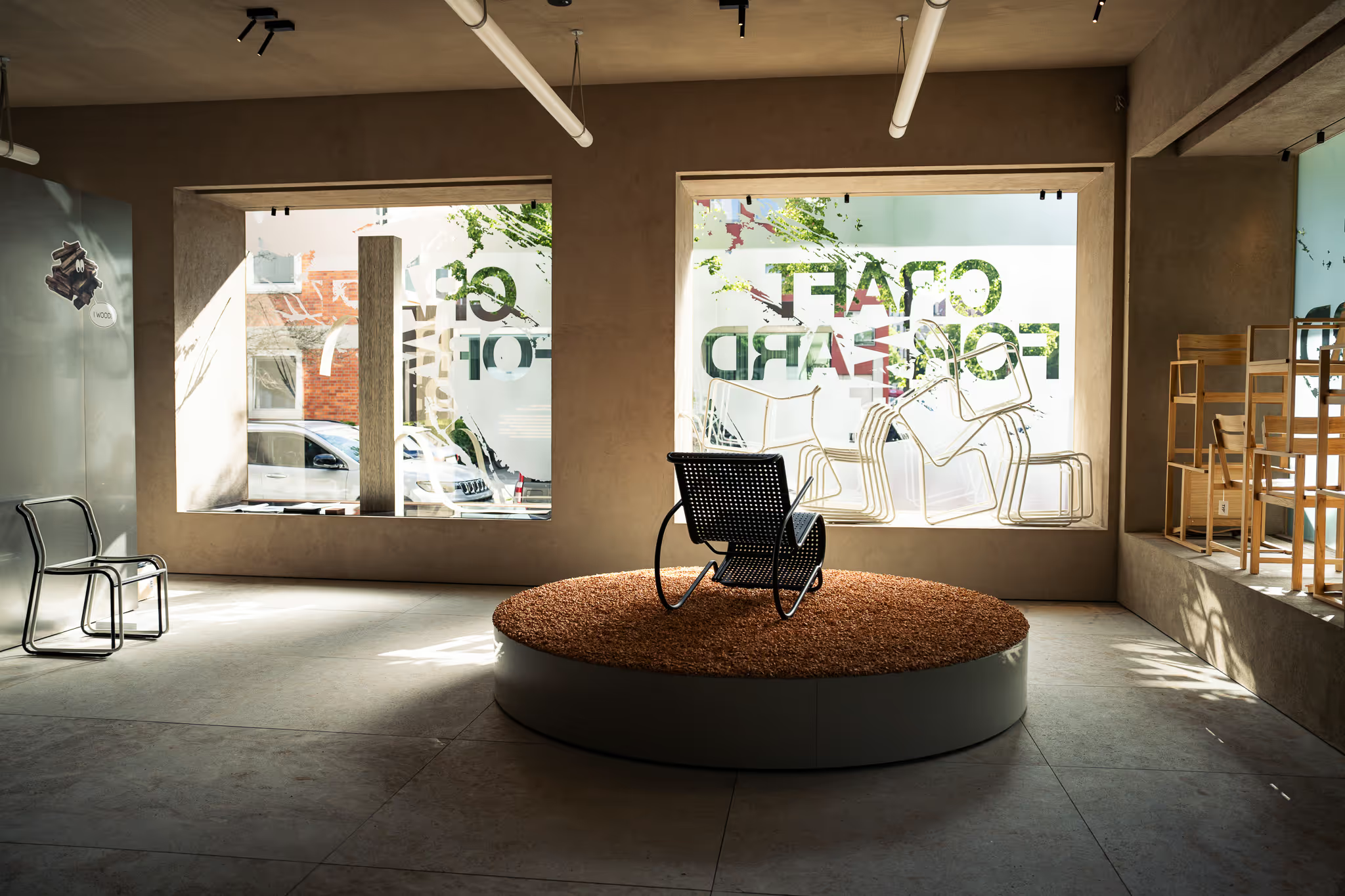
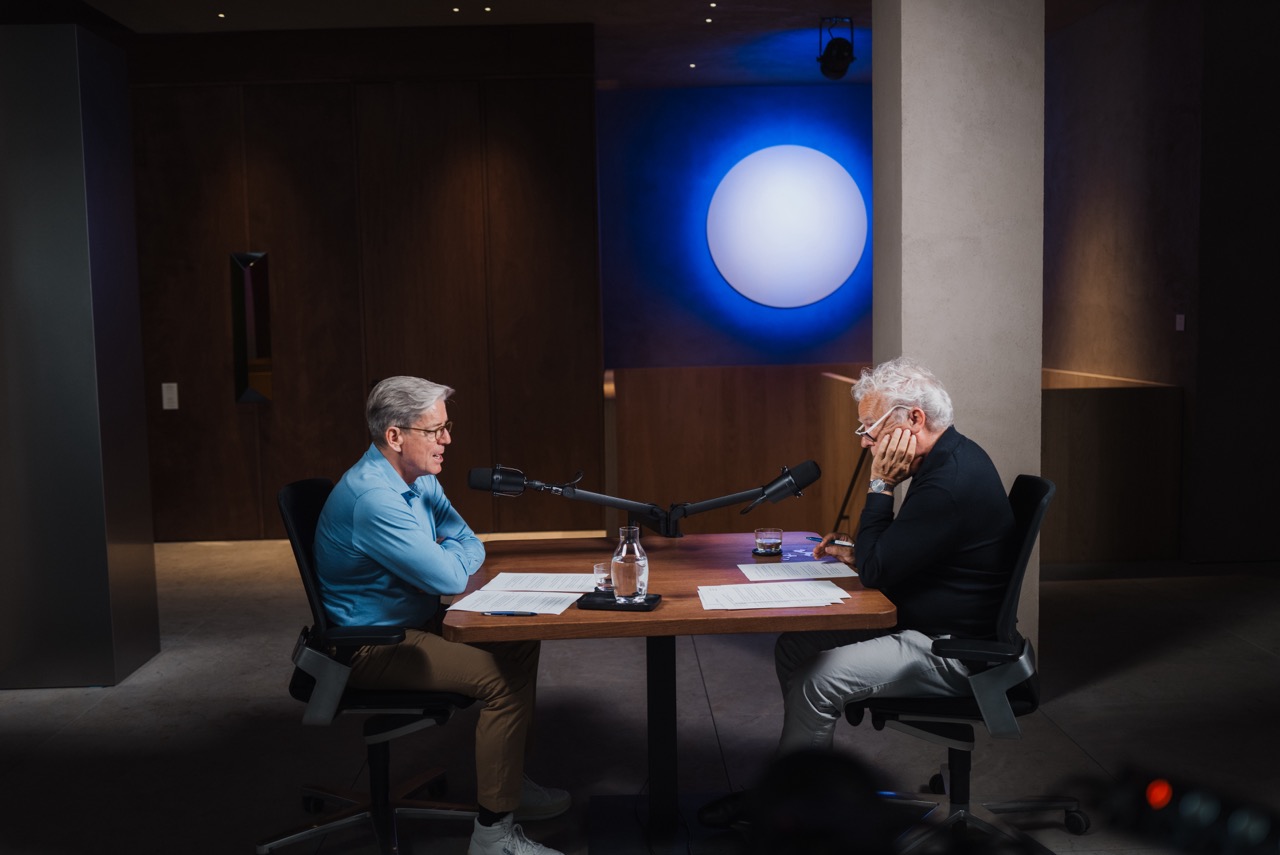
FADETOBLACK produces editorial photo and video for architecture, interior and design brands and turns the process into a content system that runs alongside your projects. If you want your account to show how you think, not just what you built, let us talk.
