






















.jpeg)







.jpeg)













Let's Get to Work
=
INFO@FADETOBLACK.IO
=
LETS Tell Your STORY
=
INFO@FADETOBLACK.IO
=



This article shares marketing experience, not legal advice. For legal questions, consult a law firm specialising in medical law.
Yes, doctors are allowed to do social media marketing. What is permitted is factual, profession related information. What is prohibited is misleading or promotional advertising, promises of results and certain before and after depictions. The limits come from the German Therapeutic Products Advertising Act (HWG) and the professional code for physicians (§ 27 MBO-Ä). Inside those limits a great deal is possible, and the formats that are safest under professional law happen to be the formats that perform best on Instagram and YouTube anyway.
This is the part most practices do not expect. The constraint that feels like a handicap, no promises, no superlatives, no dramatic staging, pushes you towards education. And education is what both the platforms and the search systems currently reward.
Patients no longer only use Google. They increasingly ask ChatGPT and similar assistants about specialists and treatments, and those systems assemble an answer from whatever public material explains the subject most clearly. A practice that publishes proper explanations of its field is readable to them. A practice whose website consists of a mission statement and a photo of the waiting room is not.
So the professional code is not standing between you and visibility. It is pointing at the only kind of content that reliably earns it.
One patient question per video, answered properly. What happens during the procedure, how long the recovery takes, what the alternatives are. These answer the questions people are already typing, and they carry no professional conduct risk because they contain no claim about outcomes.
Widely repeated advice, examined honestly. This format performs unusually well because it gives the viewer something they can immediately use, and because correcting a misconception is a demonstration of expertise rather than an assertion of it.
How a consultation actually runs, what the equipment does, who is in the room. It removes the anxiety that keeps people from booking, which for many specialties is the real conversion barrier.
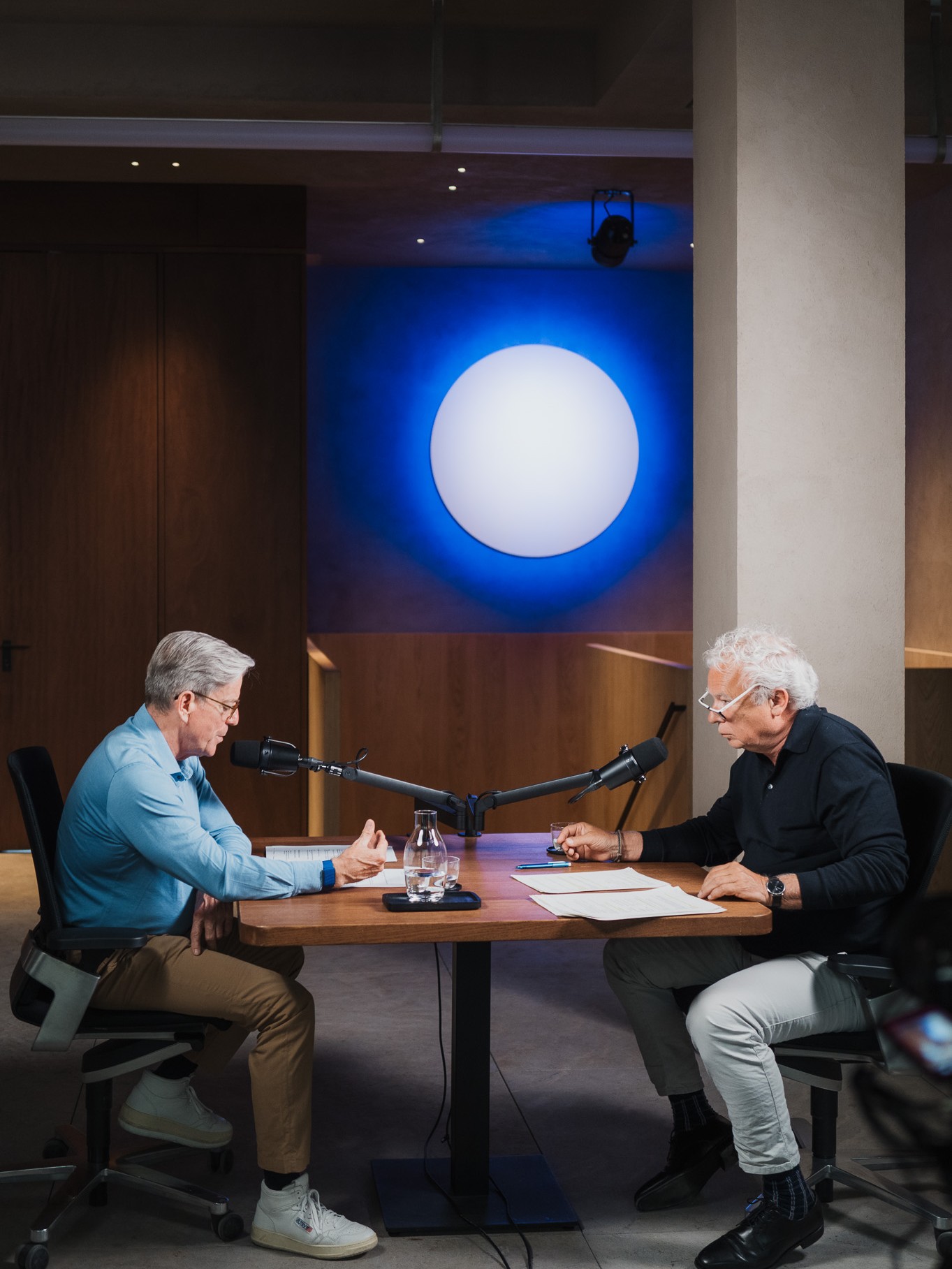
A podcast or interview format, thirty to sixty minutes. This is the anchor. Ten minutes of spoken video gives an AI system roughly 3,000 words of context about what you know, which is why long form content ends up cited in AI answers while short clips do not.
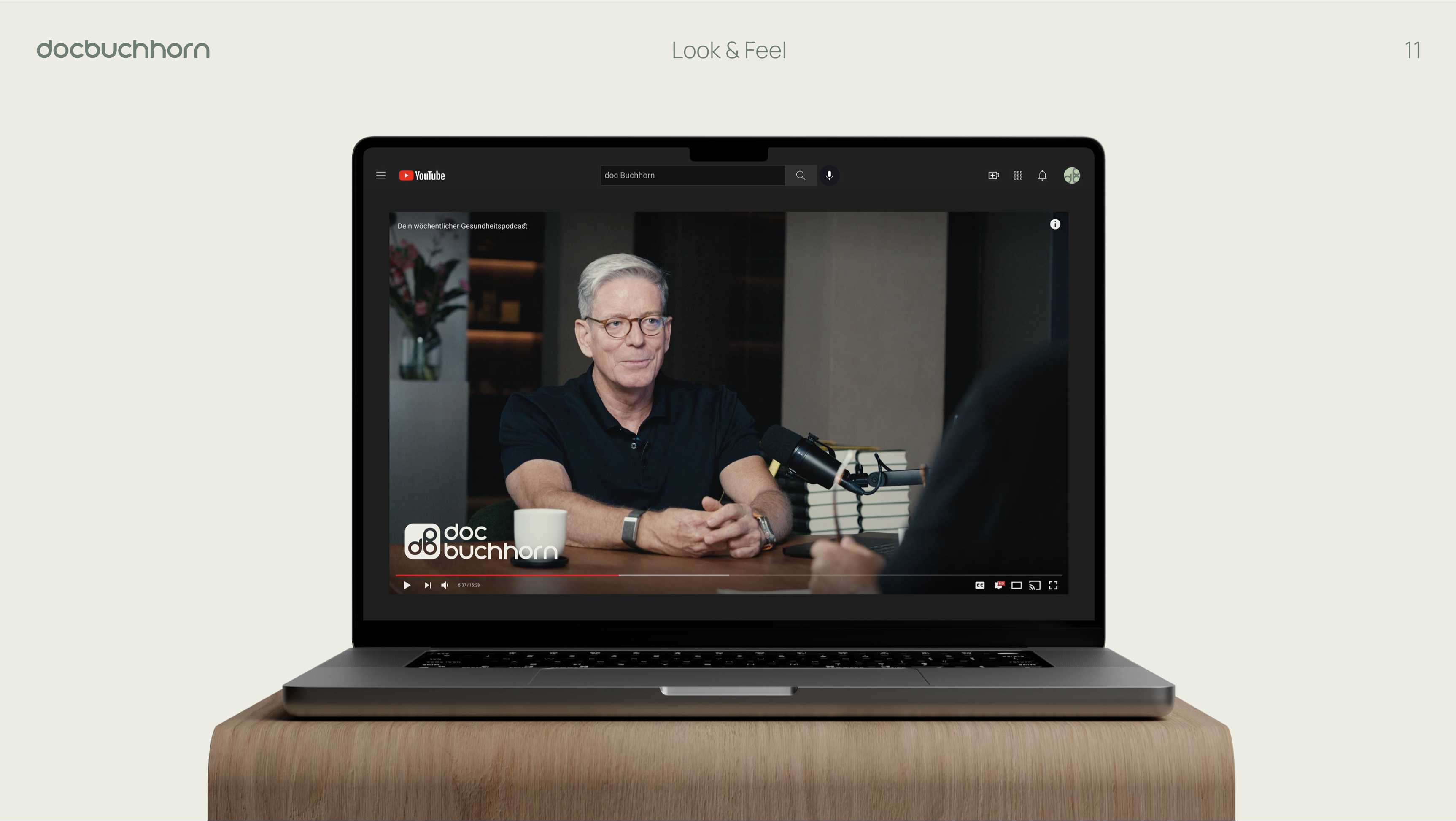
For the sports physician Dr Tomas Buchhorn we developed the video podcast "Umdenken": scientific education rather than advertising. The result was more than 10,000 qualified followers in seven months, around 500,000 organic reach per month and 1,620 qualified clicks from 92 euros of ad budget. All of it within the limits of professional law, because the format is built on knowledge transfer rather than persuasion. Read the case study.
Three failures recur. The first is treating the channel as a noticeboard: opening hours, holiday closures, a photo of the new coffee machine. The second is starting with the doctor's own enthusiasm rather than the patient's actual question, which produces content about the practice instead of content for the patient. The third is stopping after six weeks, usually because the first posts did not perform and nobody had agreed in advance what success would look like or how long it would take.
Are you a doctor, or do you run a practice or a clinic? Book a free initial consultation and we will show you, based on your specialty, which formats work.
Yes. Factual, profession related information about the person, the practice and the range of services is permitted. Misleading or promotional advertising and promises of results are prohibited (HWG, § 27 MBO-Ä).
For surgical plastic procedures without medical necessity they are not permitted (§ 11 HWG). As a general rule: factual presentation instead of sensational staging.
Only to a limited extent. Letters of thanks and recommendation fall within the limits of the HWG, and medical confidentiality and data protection apply on top. When in doubt, have it checked legally.
Educational and knowledge formats: explaining treatments, putting myths in context, giving insight into daily practice. They are safe under professional law and build trust with exactly the patients who are searching.
