






















.jpeg)








.jpeg)
















Let's Get to Work
=
INFO@FADETOBLACK.IO
=
LETS Tell Your STORY
=
INFO@FADETOBLACK.IO
=



Law firms win clients on social media by making visible the one thing they already do better than almost anyone: turning complicated questions into answers people can act on. The channels that work are LinkedIn for the partners' own profiles, YouTube or a podcast for depth, and the firm's website as an answer hub. What makes the difference is a system that converts attention into qualified enquiries, not the occasional post that happens to travel.
Clients no longer search for a firm name. They search for answers. What does a cease and desist letter cost. How does handing a business to the next generation actually work. Am I allowed to record this conversation. A firm that answers those questions publicly, in plain language, has effectively begun the consultation before the phone rings.
AI search amplifies the effect. Google AI Overviews and ChatGPT quote whichever source gives the clearest answer, and legal questions are exactly the kind of query people now put to an assistant rather than a search box. For a specialist firm that is a real chance to be found ahead of competitors many times its size.
Lawyers are expressly allowed to publish factual information about their own practice. Explainer videos, specialist articles, commentary on recent judgments and interviews raise no issues, provided they stay factual and promise no outcomes.
Which is convenient, because that is precisely the content AI search rewards. Marketing a firm properly and staying inside the rules are not in tension here. They point in the same direction.
Decision makers follow people, not firm logos. Two or three substantive posts a week, written in the client's language rather than the court's, build trust long before anyone is ready to instruct. The posts that work are not summaries of judgments. They are the practical consequence of a judgment for someone running a business.
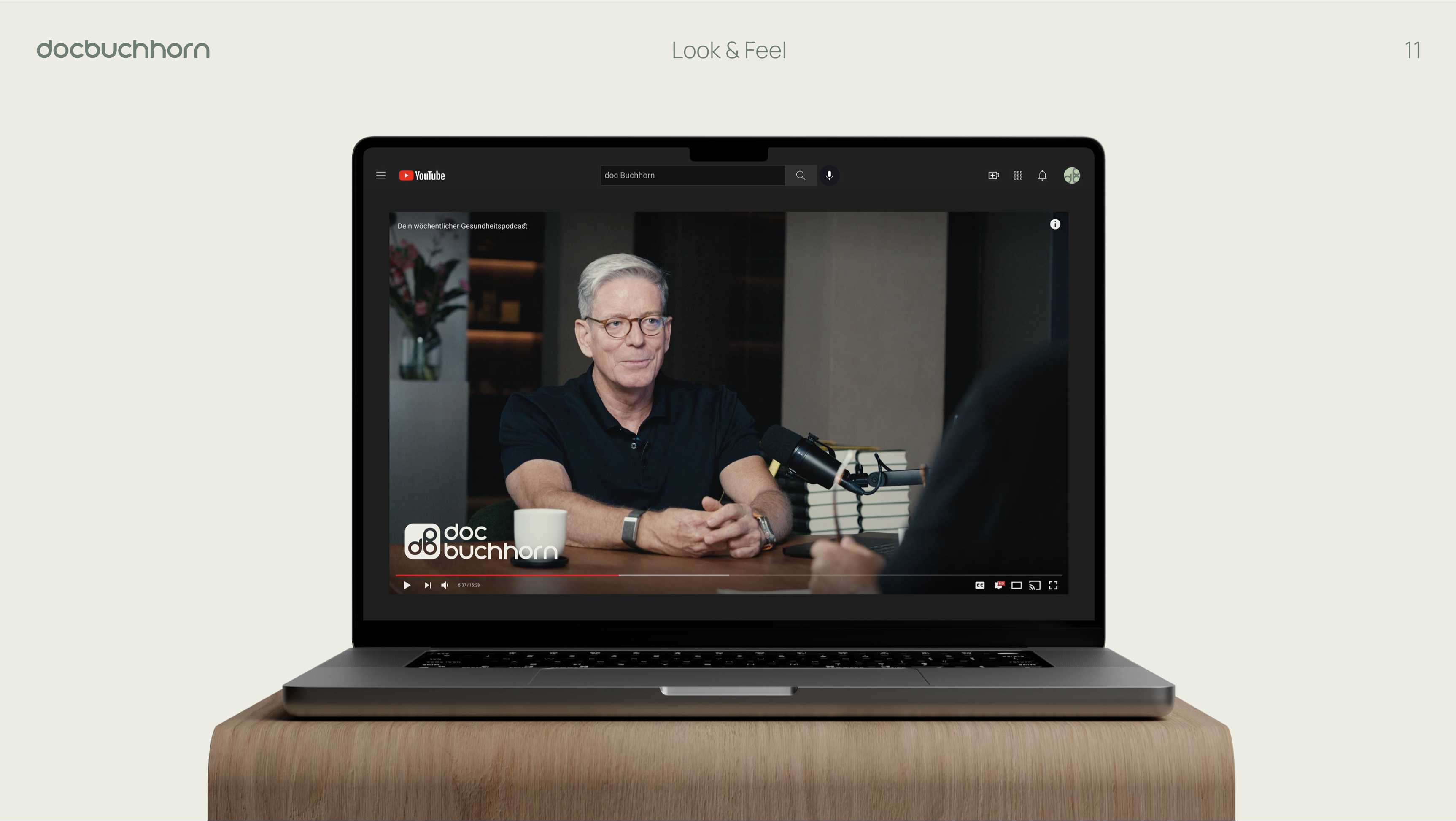
One twenty minute conversation about a legal question carries more weight than a hundred short posts, and AI systems pick it up as a source. From our own work: a specialist podcast took a physician past 10,000 qualified followers in seven months, and the mechanism transfers directly to a law firm. Read the case study.
Every question clients keep asking gets its own page, with the answer at the top rather than after four paragraphs of context. This is what makes a firm visible in Google and inside AI answers, and it doubles as the material a partner can send to a prospect instead of writing the same email again.
Cost depends on three things: how much content is produced, how many channels run, and whether a long form format such as a podcast is part of it. The more useful figure sits on the other side of the ledger. In most firms a single long term client covers a full year of marketing, which changes what an appropriate budget looks like. We will give you a specific assessment for your own firm in a free initial consultation.
Two mistakes dominate. The first is publishing from the firm account only, which forfeits the personal reach advantage entirely. The second is writing for colleagues instead of clients: technically impeccable posts that no potential client can act on, which perform exactly as well as they read.
Do not switch on every channel at once. LinkedIn plus one long form format plus an answer hub beats scattered activity every time. Book a free initial consultation and we will show you the three moves that get your firm results fastest.
