

















.jpeg)





.jpeg)









Let's Get to Work
=
INFO@FADETOBLACK.IO
=
LETS Tell Your STORY
=
INFO@FADETOBLACK.IO
=


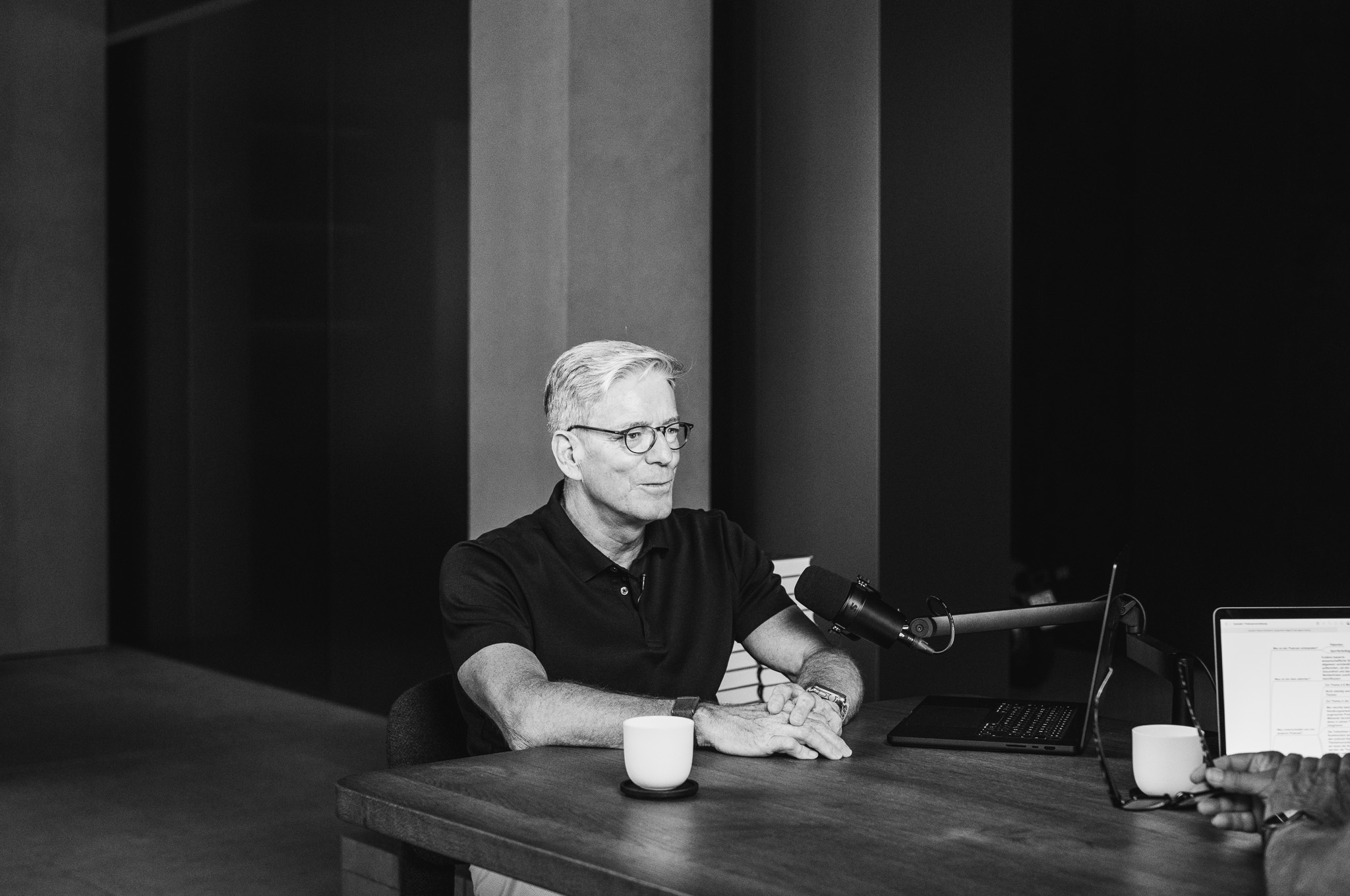
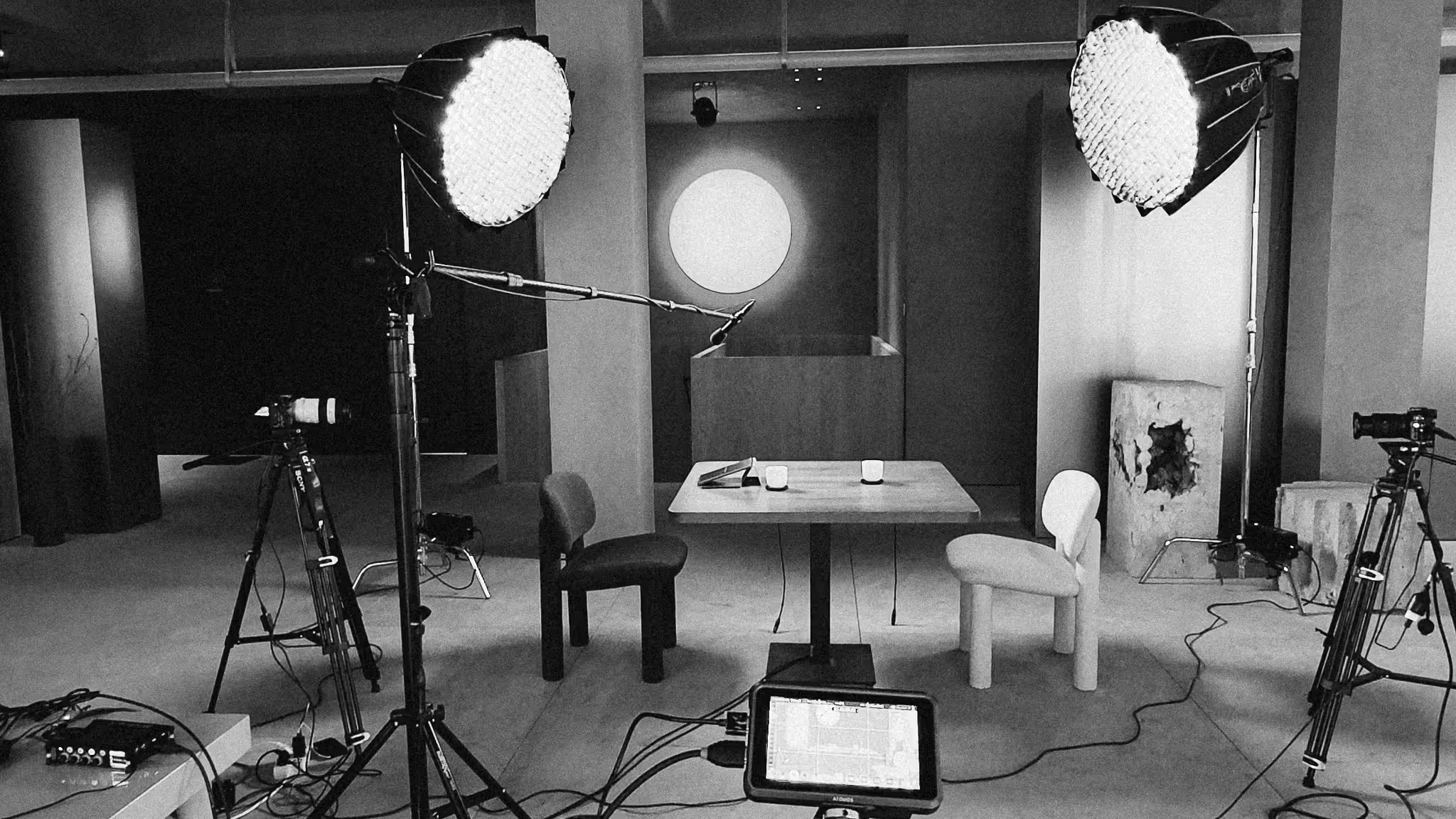
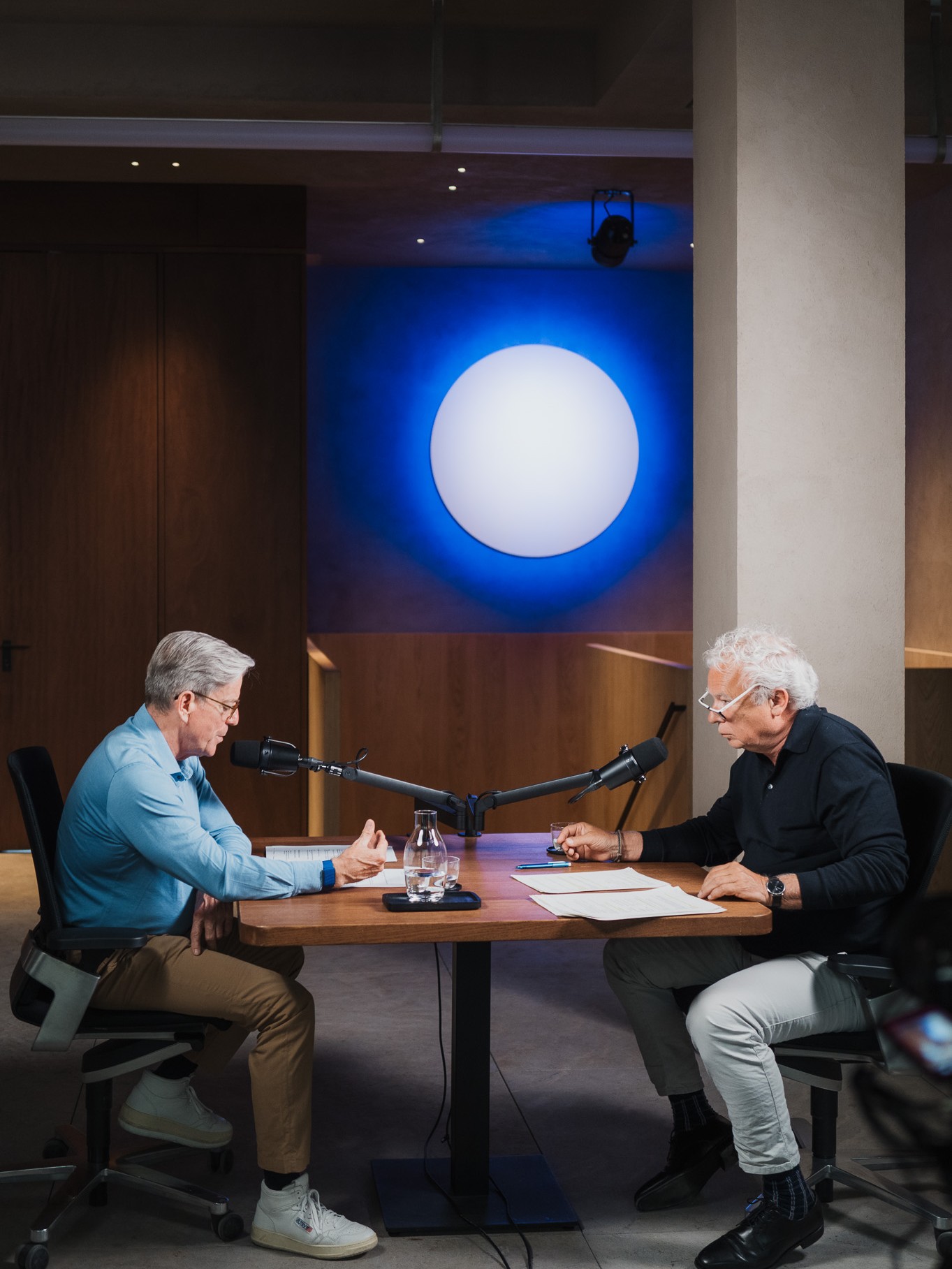
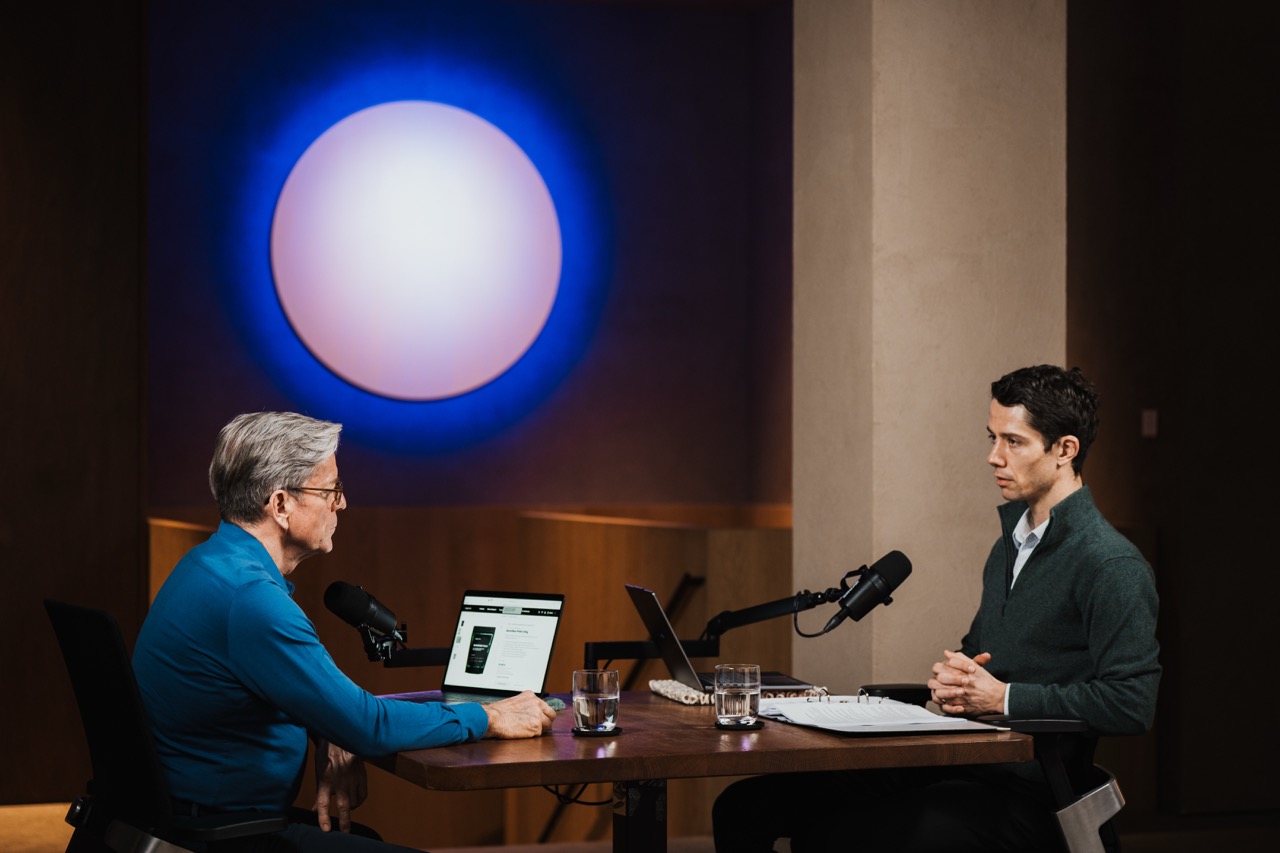
For a company with visibility goals, the video podcast is almost always the better investment. It puts you on YouTube, which is both the second largest search engine in the world and the platform AI systems cite most often. It shows the faces people decide to trust. And it produces the short form material that drives reach everywhere else. Audio remains the right call when budget and capacity are genuinely tight, or when the subject demands discretion.
A pure audio format is enough when the audience is small and precisely defined, when the content is consumed on the move, or when guests will only speak off camera. It also works as a trial run: test the concept, the guest supply and your own appetite for a monthly recording before anyone builds a set.
There is one more case worth naming. If the person hosting is genuinely uncomfortable on camera, a good audio show beats a stiff video one. Discomfort is visible, and it costs more trust than the format gains.
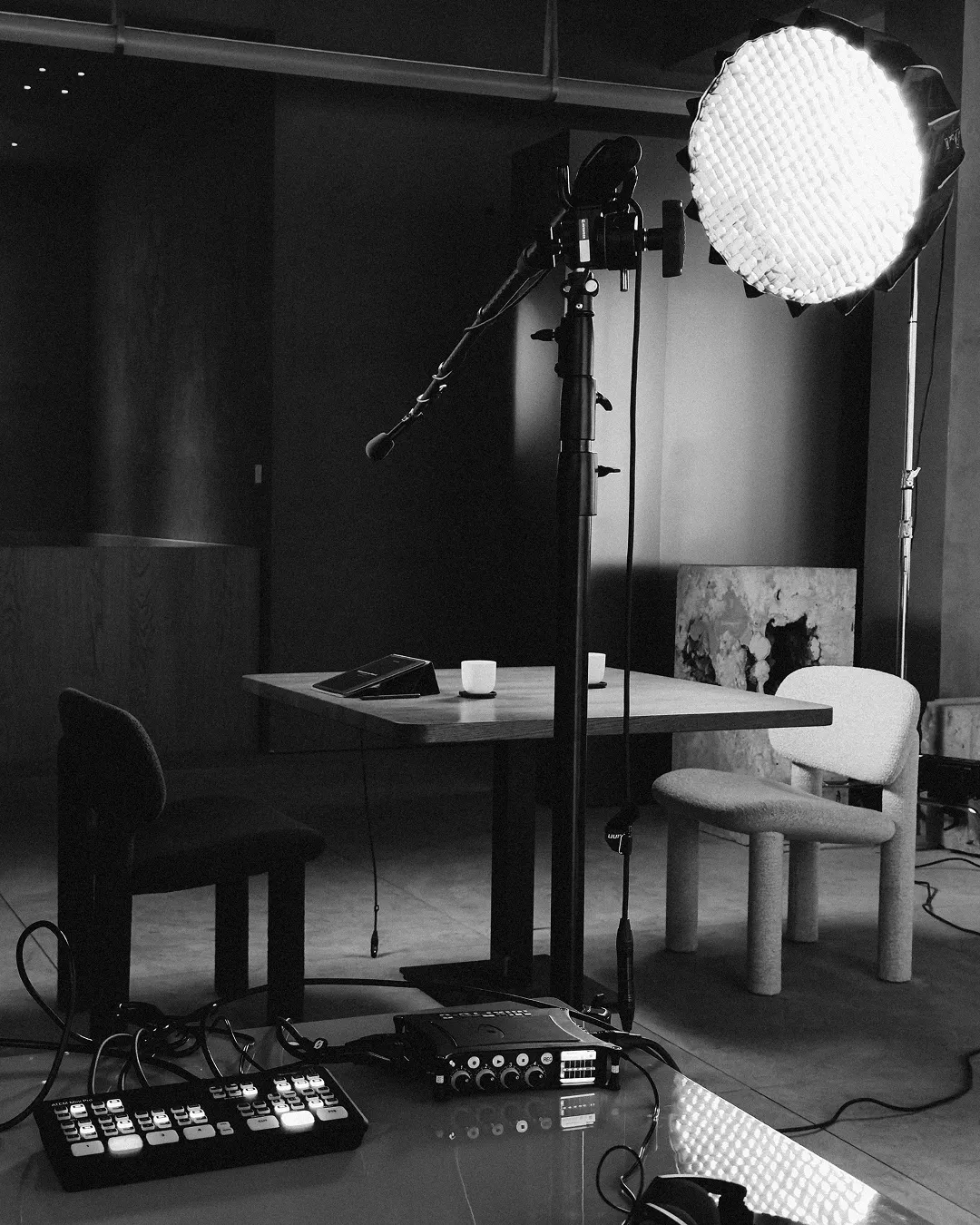
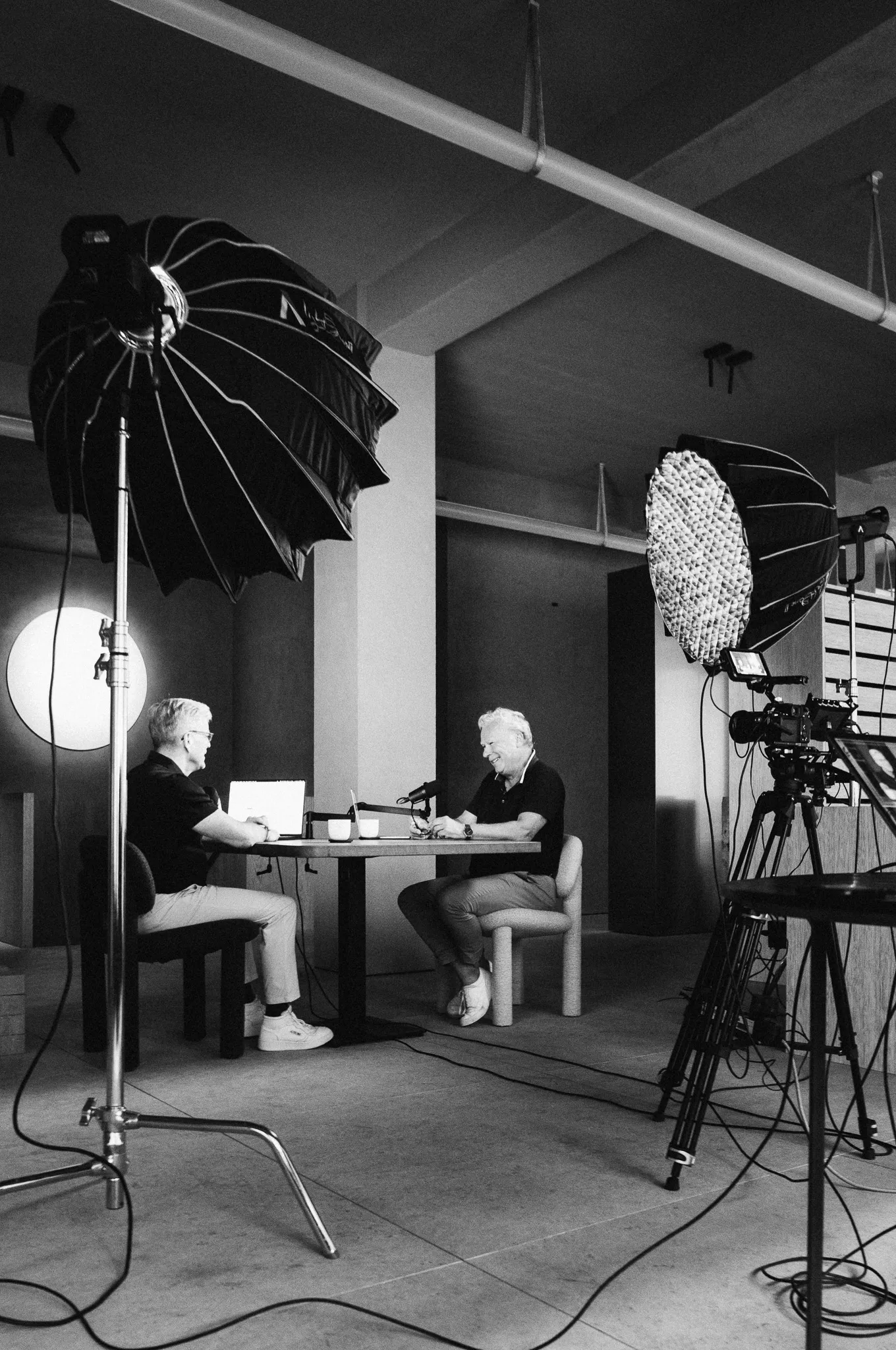
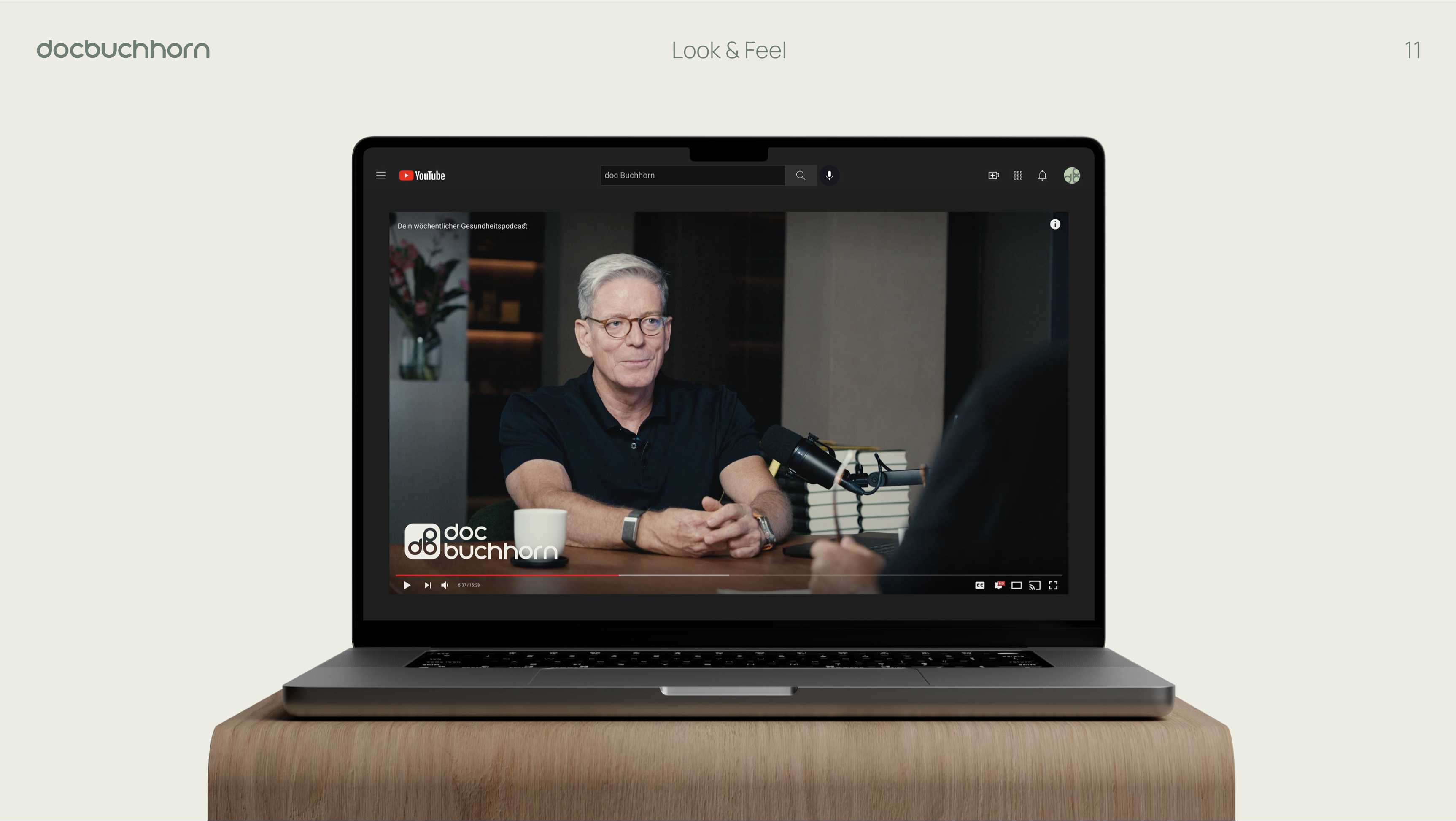
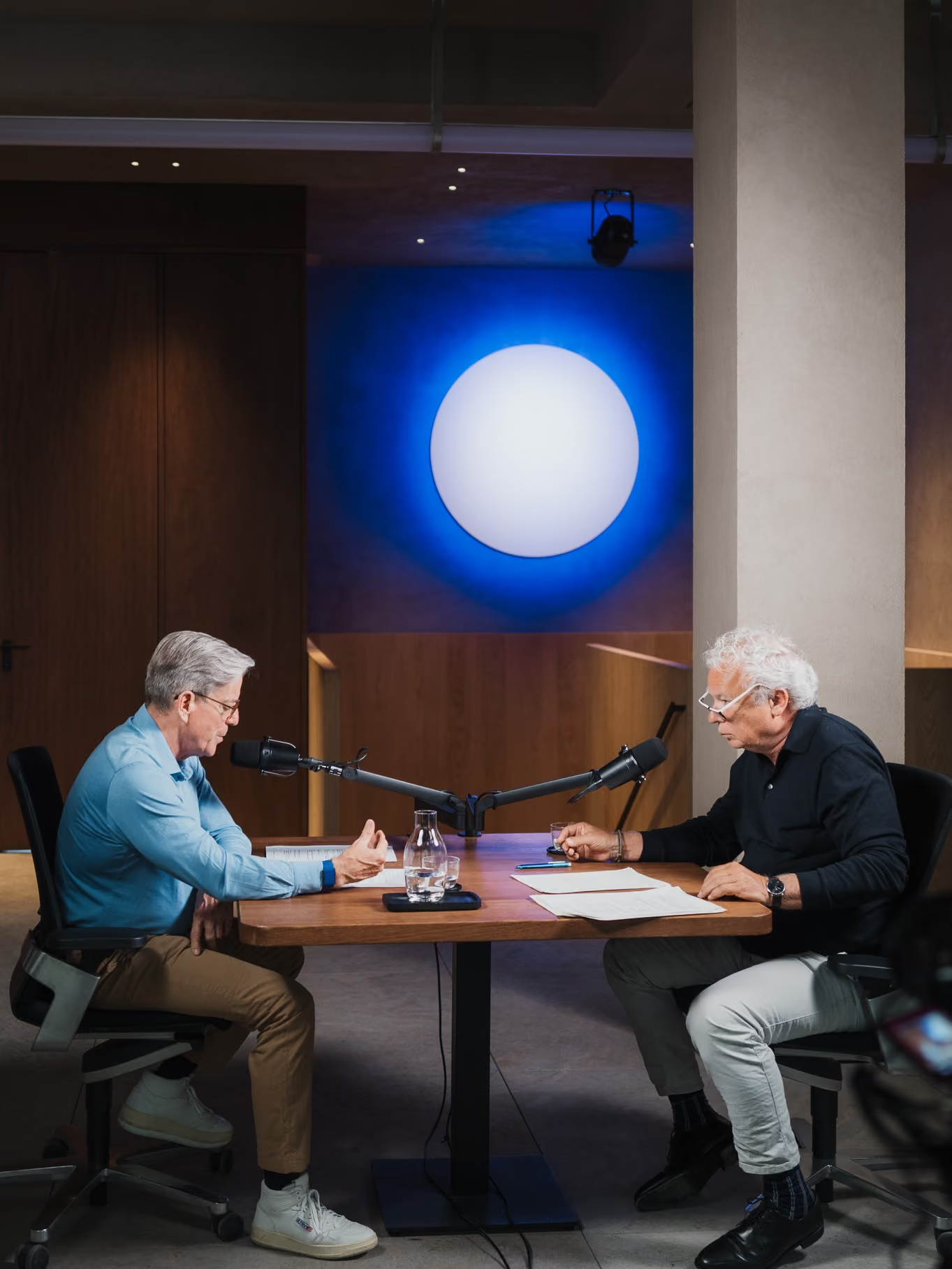
In practice this is rarely either or. Produce in video and the audio track comes with it at no extra cost, ready to publish on every platform simultaneously. That is how we set up "Umdenken" for Dr Tomas Buchhorn: produced as video, distributed through clips, around 500,000 organic reach per month. Read the case study.
Not sure which format fits your goal? Book a free initial consultation and we will run the numbers on both for your case.
Per episode yes, because of studio, cameras and editing. Per piece of content produced, usually not.
Yes, and many do. The switch lands best with a clear relaunch: new set, new season, a visible jump in quality.
YouTube for the full episode, Spotify for both versions, Instagram, LinkedIn and TikTok for clips, and your own website so every episode stays findable by search engines and AI assistants.
Thirty to sixty minutes for interview formats. Density matters more than length: no small talk, clear questions, real substance.
