


















































Let's Get to Work
=
INFO@FADETOBLACK.IO
=
LETS Tell Your STORY
=
INFO@FADETOBLACK.IO
=


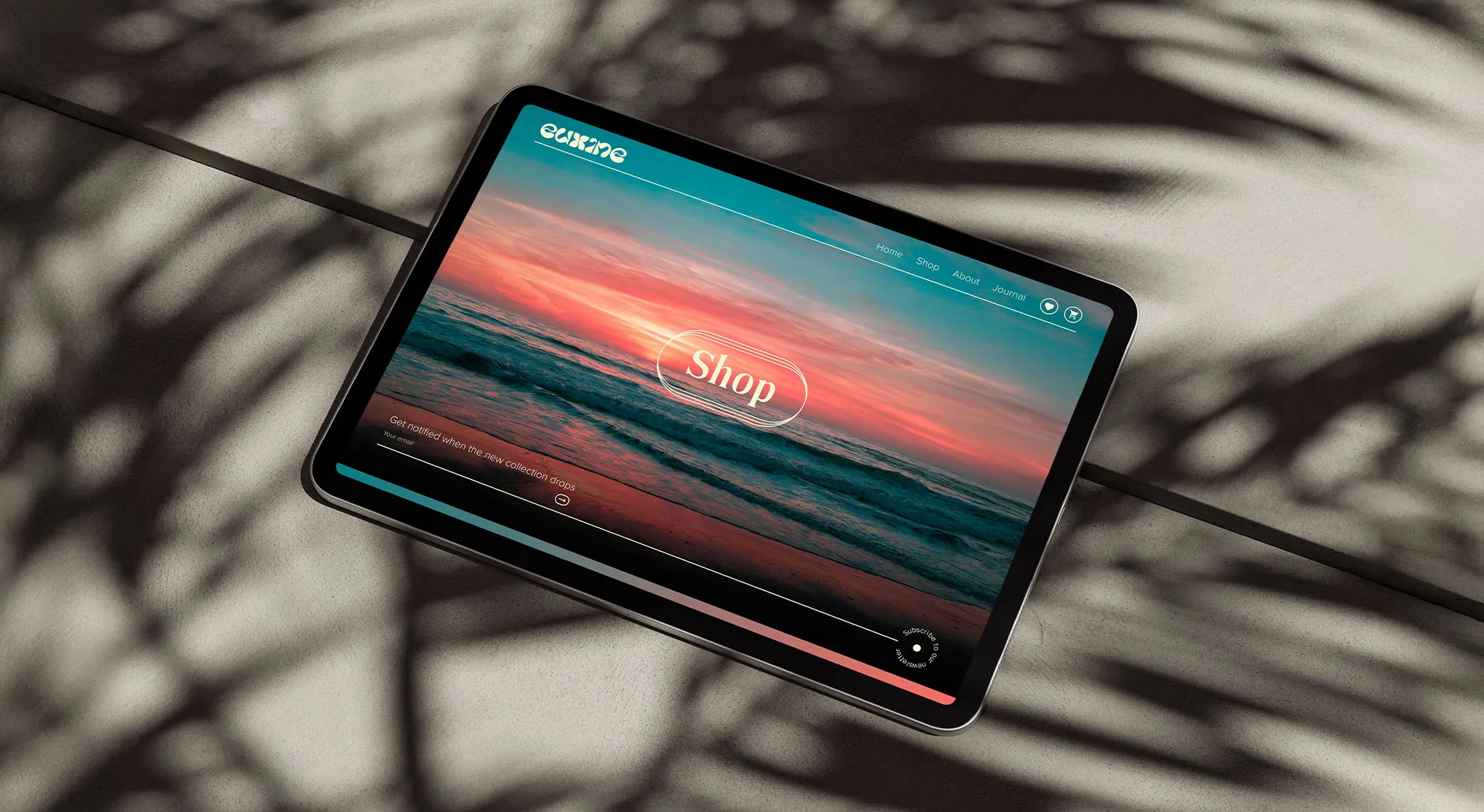
Send ads to the destination that matches how much a buyer needs to understand before saying yes. Simple, familiar offers convert well in a native lead form. Considered purchases with a higher ticket and more doubt belong on a dedicated landing page. The Instagram profile works for warming up audiences who need to see the brand before they trust it, but it is the weakest choice when you want measurable enquiries. Most accounts get this wrong not by picking the wrong option once, but by using one destination for every campaign.
Meta's instant forms open inside Instagram or Facebook, prefilled with the user's contact details. That is their strength and their weakness. The effort for the user is close to zero, so you usually get more leads, but some of them barely remember submitting anything. Lead forms suit offers that are easy to grasp in one sentence: a consultation slot, a callback, a guide download, a local service with a clear need.
To raise quality, add friction on purpose. Meta offers a higher intent form type with an extra review step, and you can add one or two qualifying questions that a casual tapper will not bother to answer. Then call back fast. A form lead goes cold far quicker than someone who wrote to you on their own.
A landing page gives you space to argue: the problem, the proof, the process, the objections, the next step. For premium services, B2B offers and anything with a longer decision process, that space is usually what turns a click into a qualified enquiry. Landing pages also give you the cleanest measurement, because you control tracking, can connect your CRM and can test one variable at a time.
The price is speed. Every second of load time and every unclear section costs you visitors that a lead form would have kept. A landing page only wins if it is built for the ad that sends people there: same promise, same visual world, one goal. The structure behind pages that produce real enquiries is described in our article on what makes a website convert.
Sending paid traffic to your profile can make sense when the brand itself is the argument: a strong visual product, a creator led business, a hospitality concept. Visitors see the grid, the highlights and the social proof, and some follow, which lets you reach them again organically. But you lose control over the path, follower growth is not revenue, and attributing a later enquiry to that ad is difficult. Use it for awareness and retargeting pools, not as your main lead engine.
The most common mistake is comparing destinations by cost per lead. Lead forms almost always look cheaper on that metric. The question that matters is how many of those leads become a conversation and then a client. Track each destination through to the sales stage, even if that means a simple spreadsheet at first, and the right answer for your business usually becomes obvious within a few weeks. If you are still deciding on the channel itself, our comparison of Meta Ads and Google Ads is a good starting point.
FADETOBLACK plans paid campaigns together with the destination, the creative and the tracking behind it, so every click lands somewhere built to convert. If you want to know which setup fits your offer, Book a free initial consultation.
