
























































Let's Get to Work
=
INFO@FADETOBLACK.IO
=
LETS Tell Your STORY
=
INFO@FADETOBLACK.IO
=



The best guests for a corporate podcast are people your audience wants to hear from and your company wants to be associated with: clients, partners, industry experts and your own specialists. You find them in your existing network first, invite them with a short personal message that makes the benefit for them clear, and brief them so well that the recording feels like a good conversation rather than an exam. Get these three steps right and booking stops being the bottleneck.
Your strongest guest list is usually your contact list. Long standing clients, suppliers, partners and former colleagues have stories your audience recognises and an existing reason to say yes. Interviews with clients and partners also strengthen the relationship itself, which is why many companies treat their podcast as a quiet business development tool.
Keep it short and specific. Busy people decide in seconds. A good invitation answers four questions:
Send it personally, not from a generic info address. If you have a mutual contact, ask for an introduction. Follow up once after about a week, then let it go gracefully.
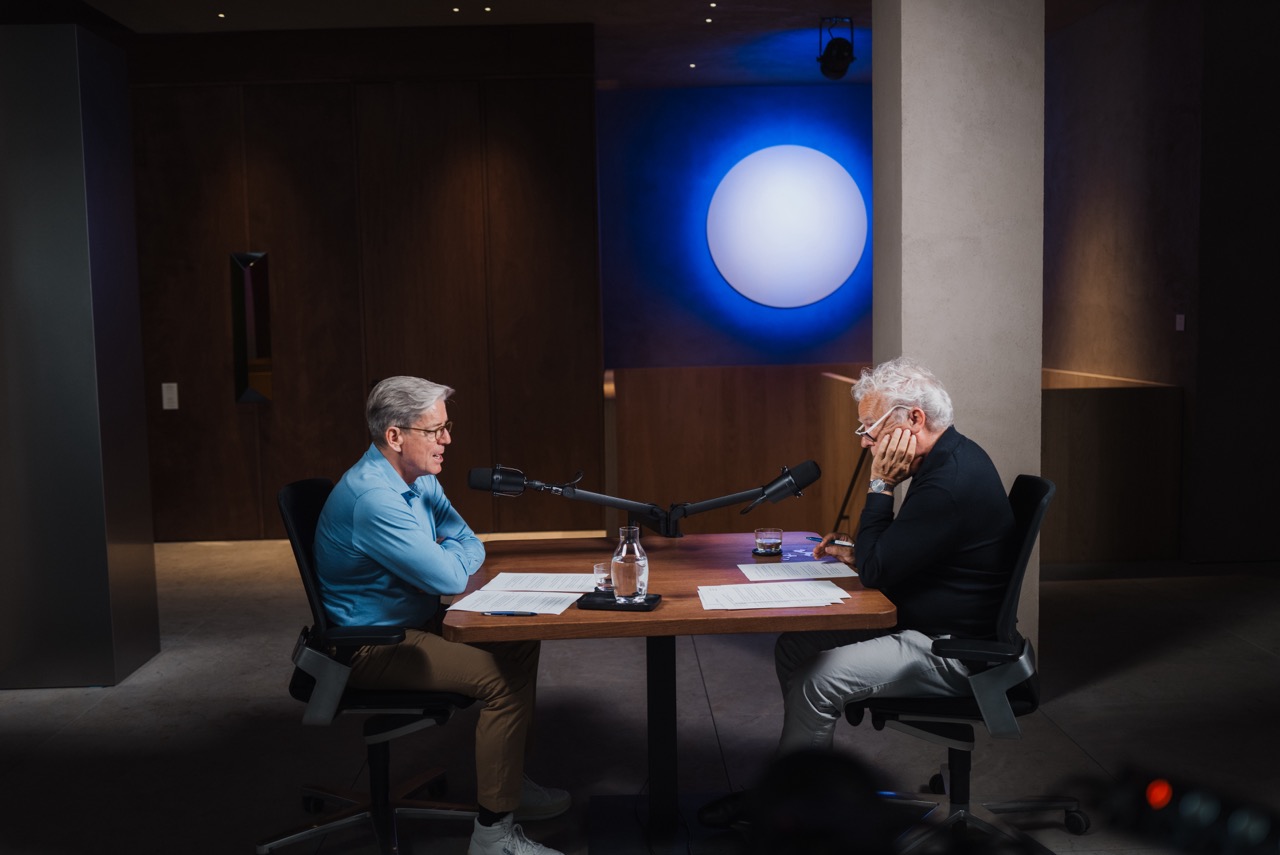
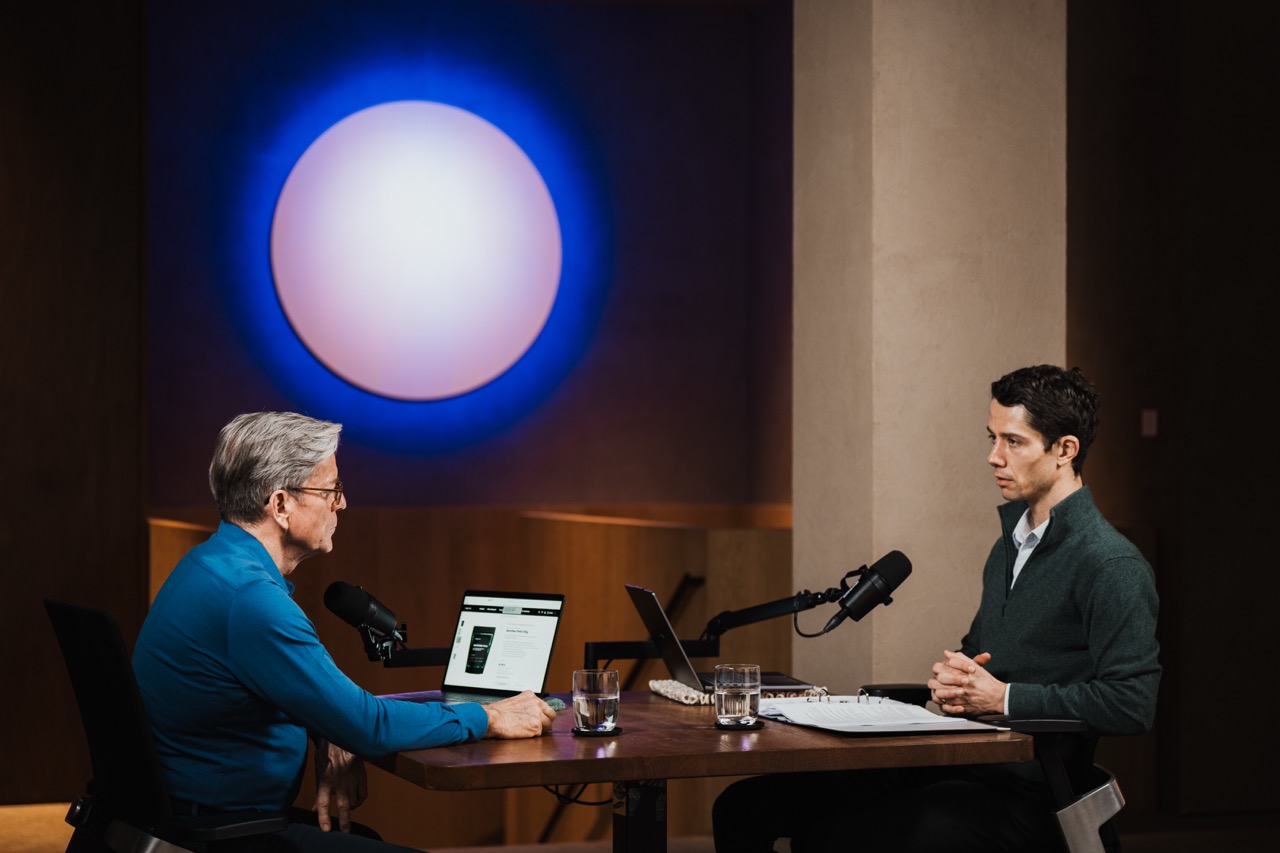
Once a guest agrees, send a one page briefing a few days before the recording. It should include the episode topic, three to five guiding questions, the expected length, the date, time and address or link, and practical notes: what to wear if it is a video podcast, that you will handle sound and light, and who to contact on the day. Ask them for any topics they would prefer to avoid and anything they would like to mention. Guests who know what to expect relax, and relaxed guests give better answers.
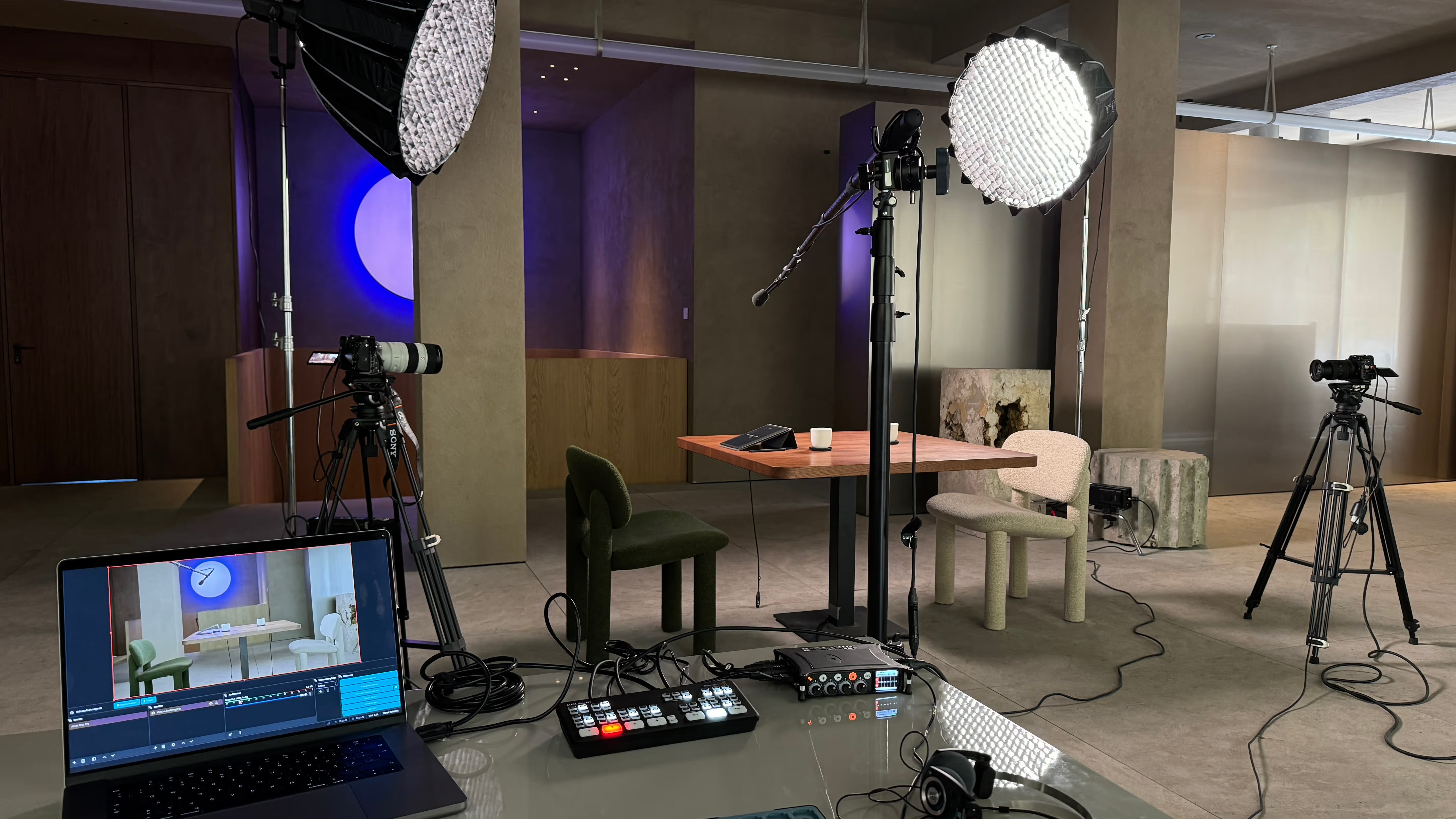
Research the guest properly: recent interviews, posts, the project they are proudest of. Plan the opening question carefully, because the first minutes set the tone. Prepare more questions than you need, then be ready to drop them and follow the conversation. On recording day, allow time for a coffee and a sound check before the microphones go live.
After the recording, send a thank you, share the release date and deliver ready made clips so the guest can post them easily. That is what turns one guest into an ambassador who recommends the next one. For the bigger picture, our guide to starting a corporate podcast covers concept, format and distribution.
FADETOBLACK produces corporate podcasts from concept to distribution, including guest strategy, briefings and studio production in Munich. If you want a podcast that people say yes to, let us talk.
