





















Let's Get to Work
=
INFO@FADETOBLACK.IO
=
LETS Tell Your STORY
=
INFO@FADETOBLACK.IO
=


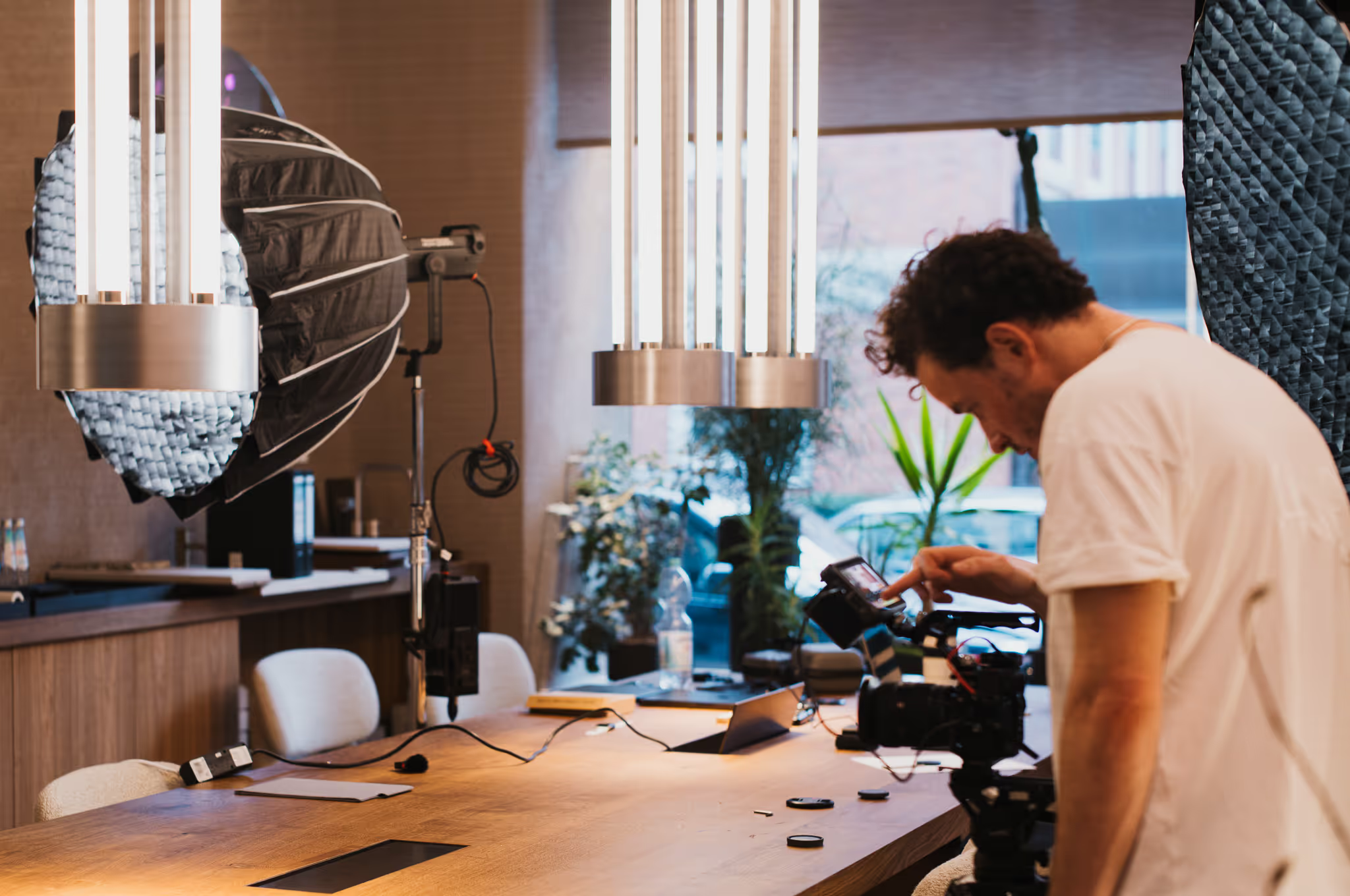
B2B decision makers on LinkedIn watch video that sounds like a conversation between peers: a clear opinion, a concrete example, a person they could imagine calling. They skip anything that looks like an ad. Native video, uploaded directly instead of linked from YouTube, short enough to finish, subtitled and opened with the point, is the format that works in 2026.
LinkedIn has been investing in video for a while, including a dedicated, swipeable video feed it introduced in 2024. That makes video more visible on the platform, but it does not change what a managing director or head of procurement wants to see between two meetings: something useful, quickly, from someone credible.
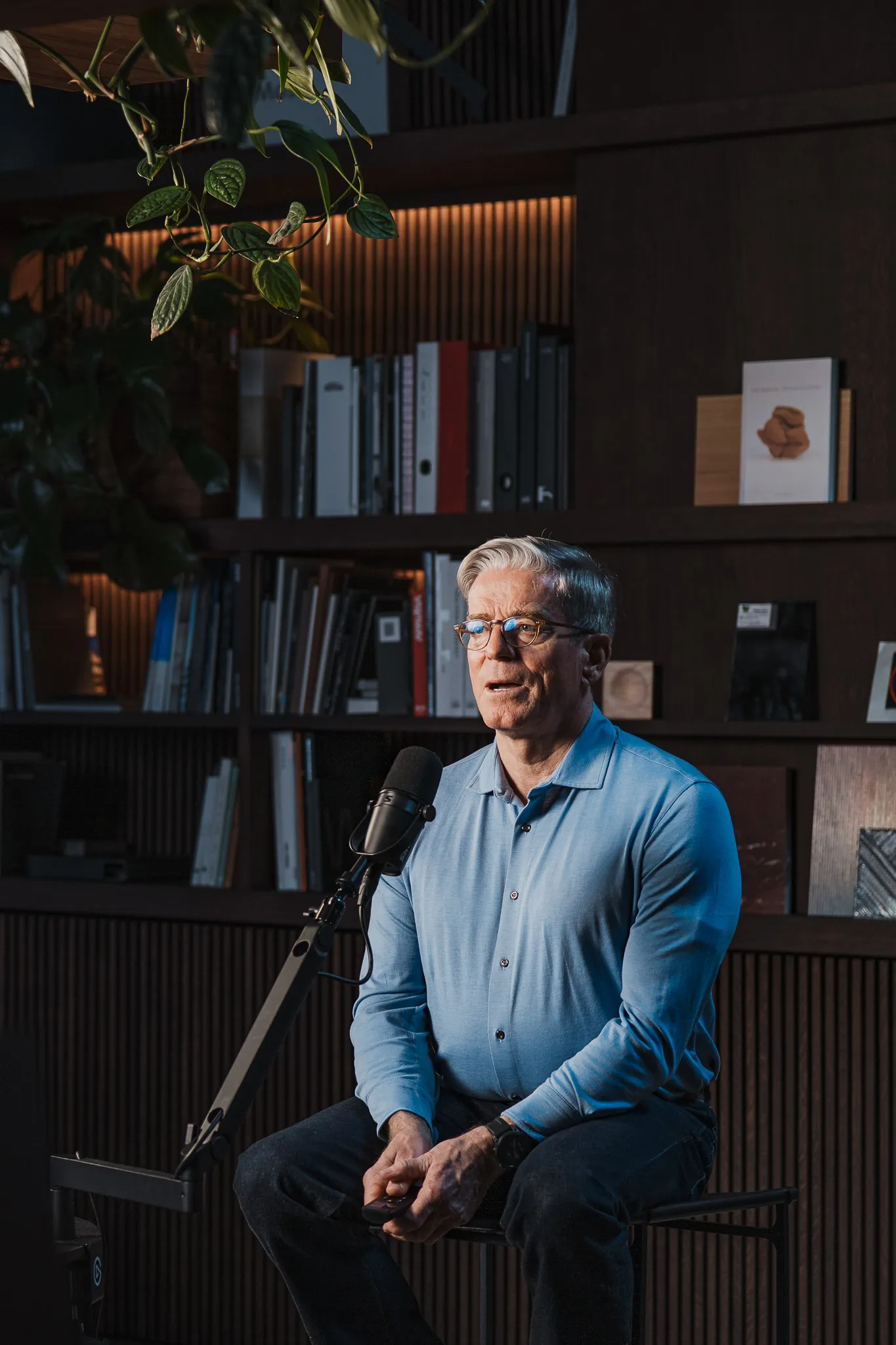
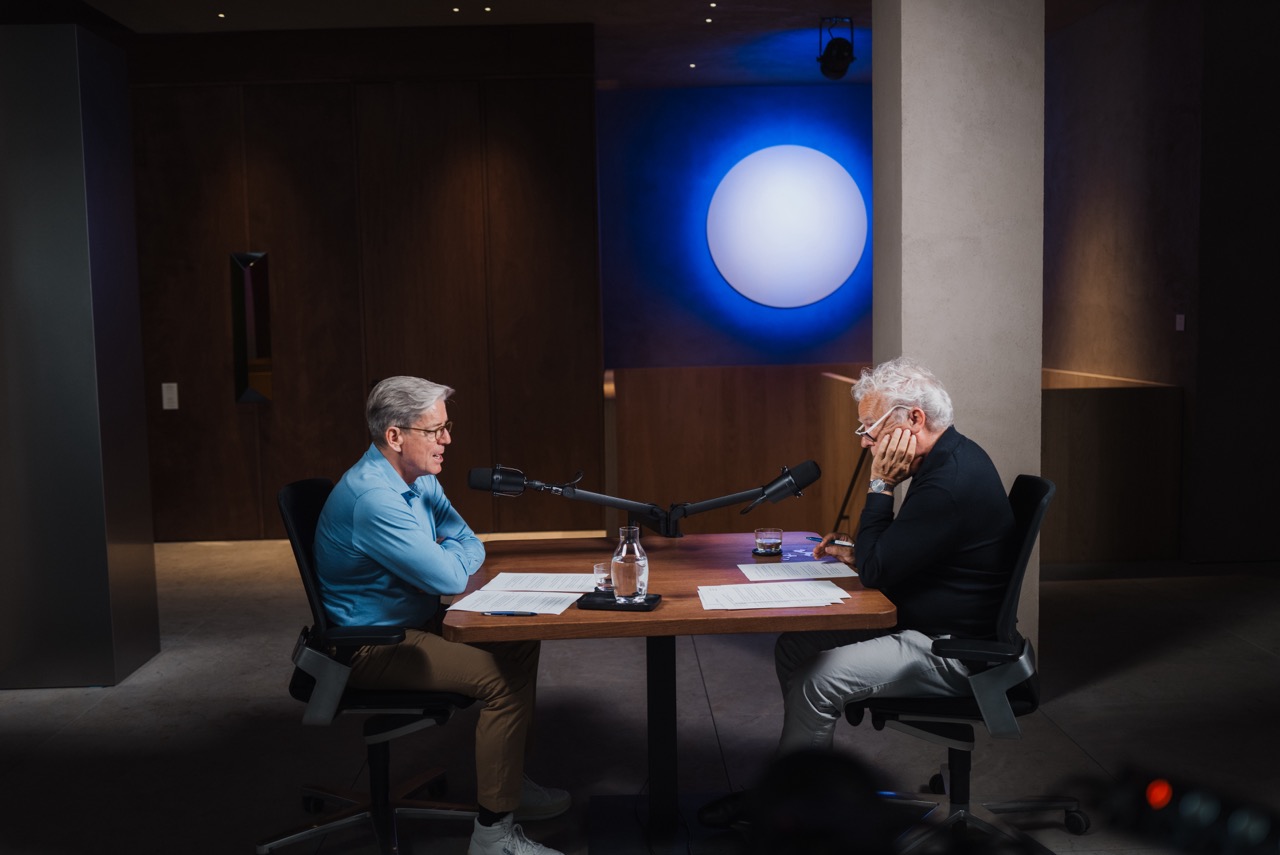
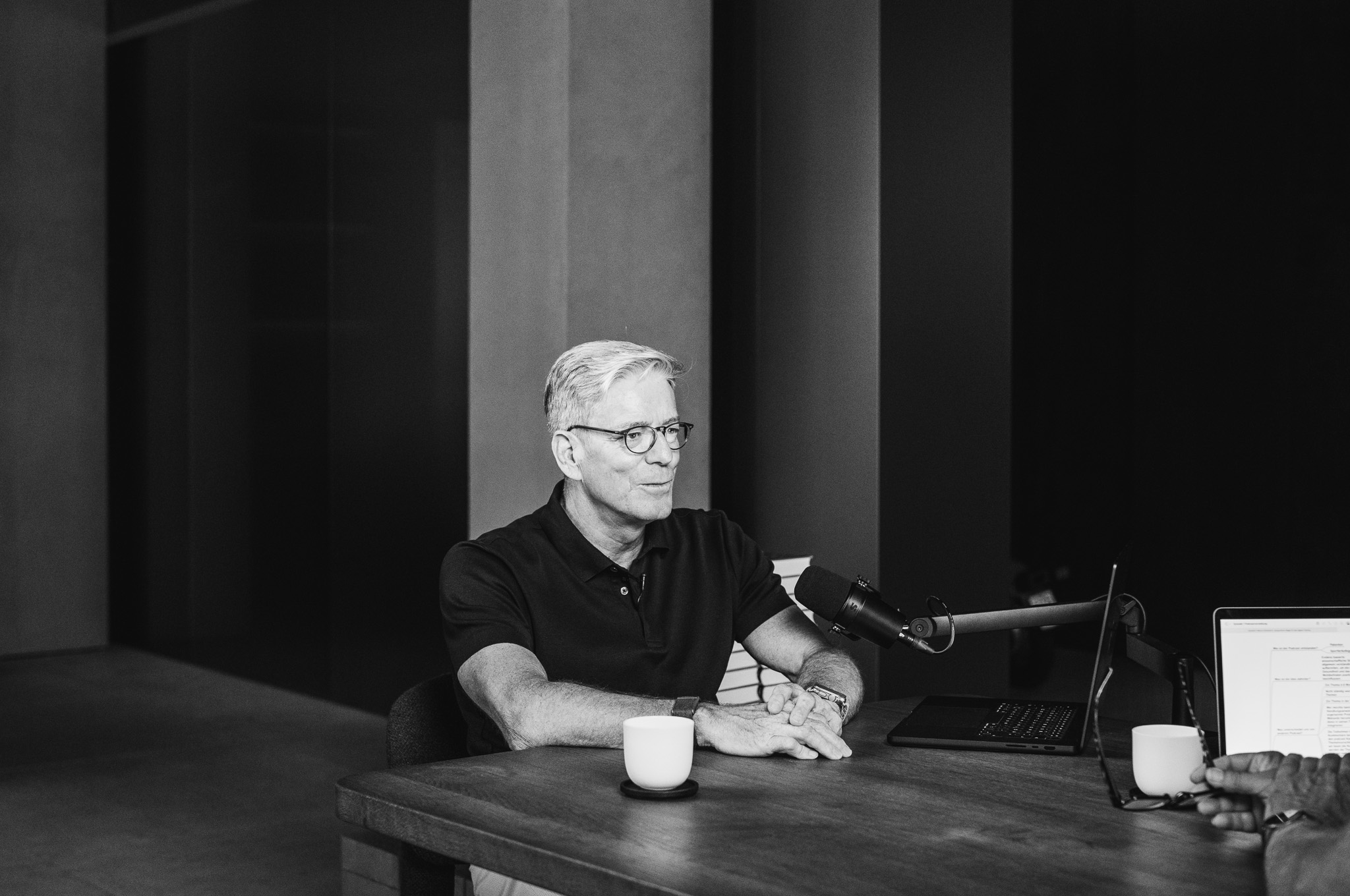
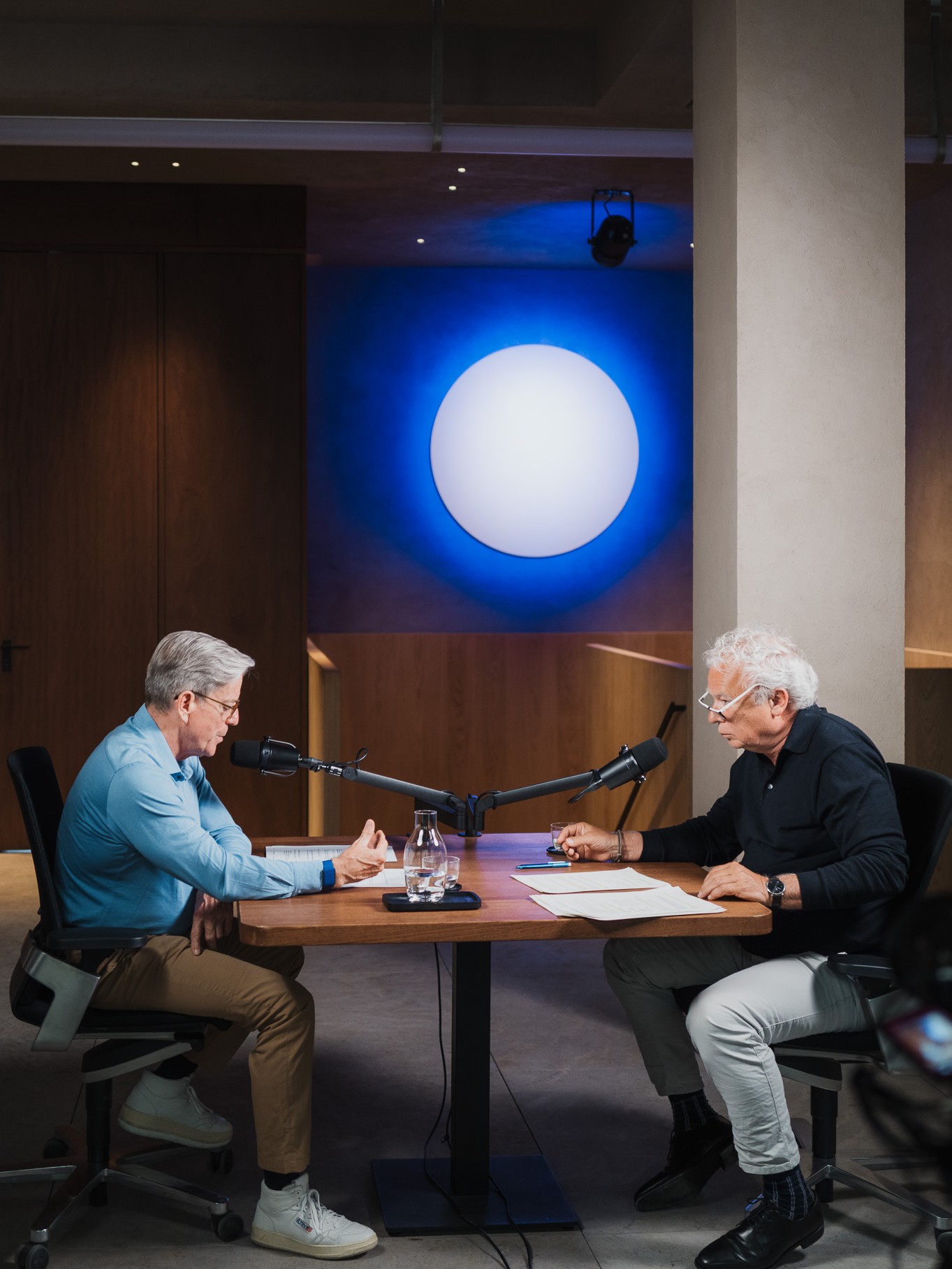
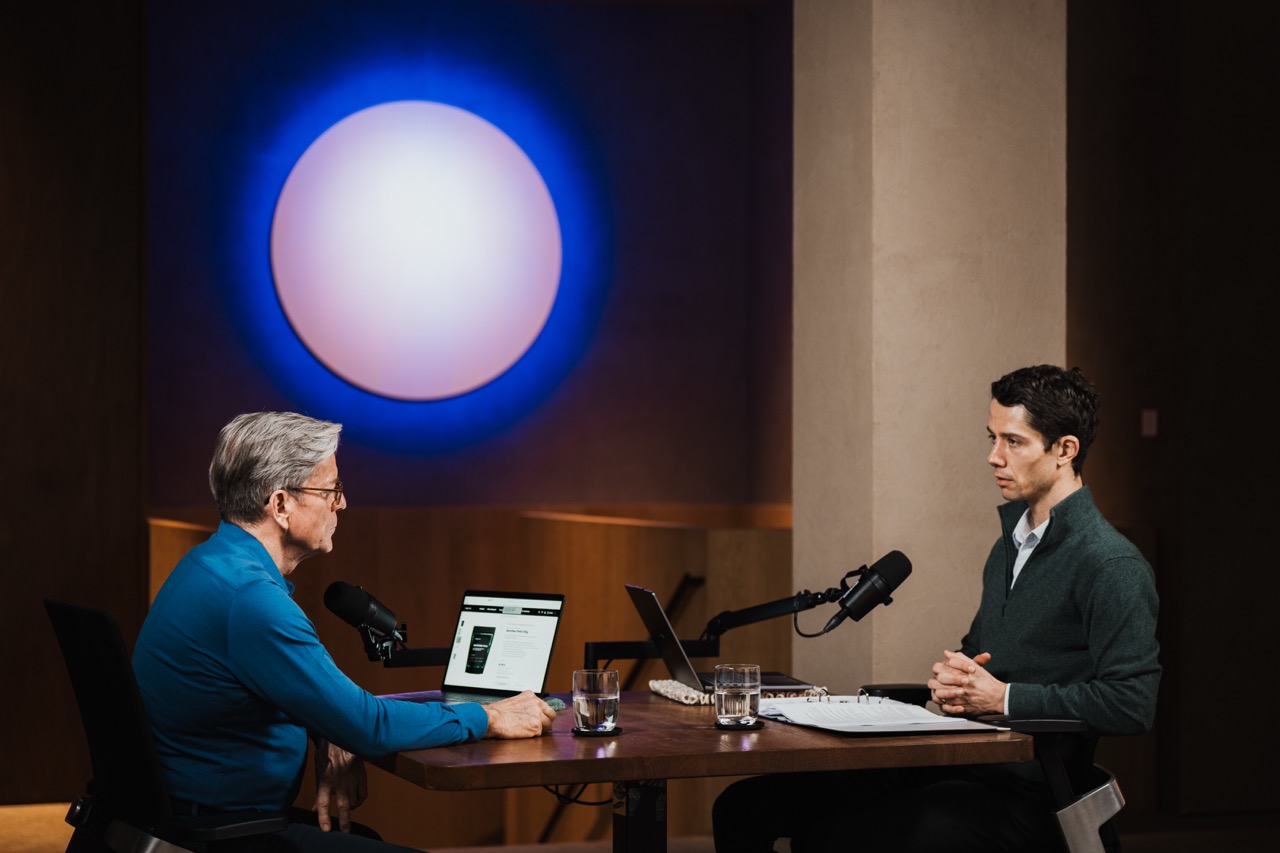
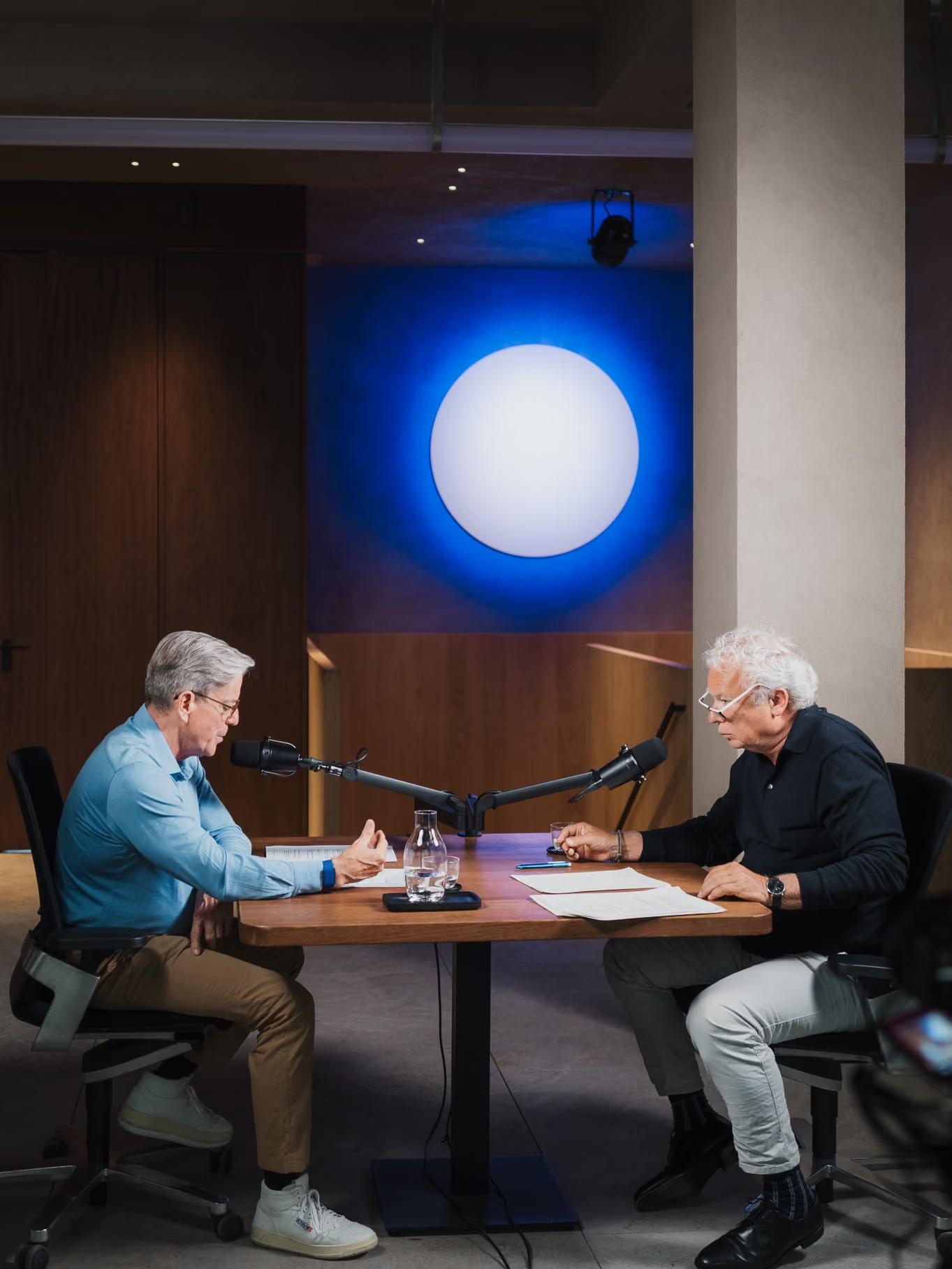
Across the B2B accounts we produce for, the same handful of formats keep earning attention from the right people. The talking head with one strong claim, filmed calmly and without jump cut theatrics. The clip from a longer interview or podcast, where a single answer stands on its own. The whiteboard or screen explanation of how something works, a process, a calculation, a framework. And the project story told by the person who did the work, with a real problem and a real outcome.
What they share is substance. A decision maker is not looking for entertainment on LinkedIn. They are looking for signals of competence, and video is the fastest way to judge whether someone actually knows what they are talking about. If you want to build a series around interviews, our overview of interview formats for companies is a good starting point.
Long enough for one idea, and no longer. For most feed videos that means roughly 30 to 90 seconds. Go longer only when the content earns it, for example a detailed explanation people will save, or a conversation clip with a strong arc. A two minute video that delivers one clear insight beats a forty second video that circles around one.
Vertical or square formats take up more space on a phone screen, where most people scroll. Horizontal still works for interview and podcast clips, but crop it if the speaker becomes tiny on mobile.
A large part of LinkedIn is watched in open plan offices, on trains and in waiting rooms, with the sound off. Without subtitles, your video is a silent face. Burn them in or upload a caption file, keep lines short, and check names and technical terms by hand. Auto captions that misspell your client's industry undermine exactly the competence you want to show.
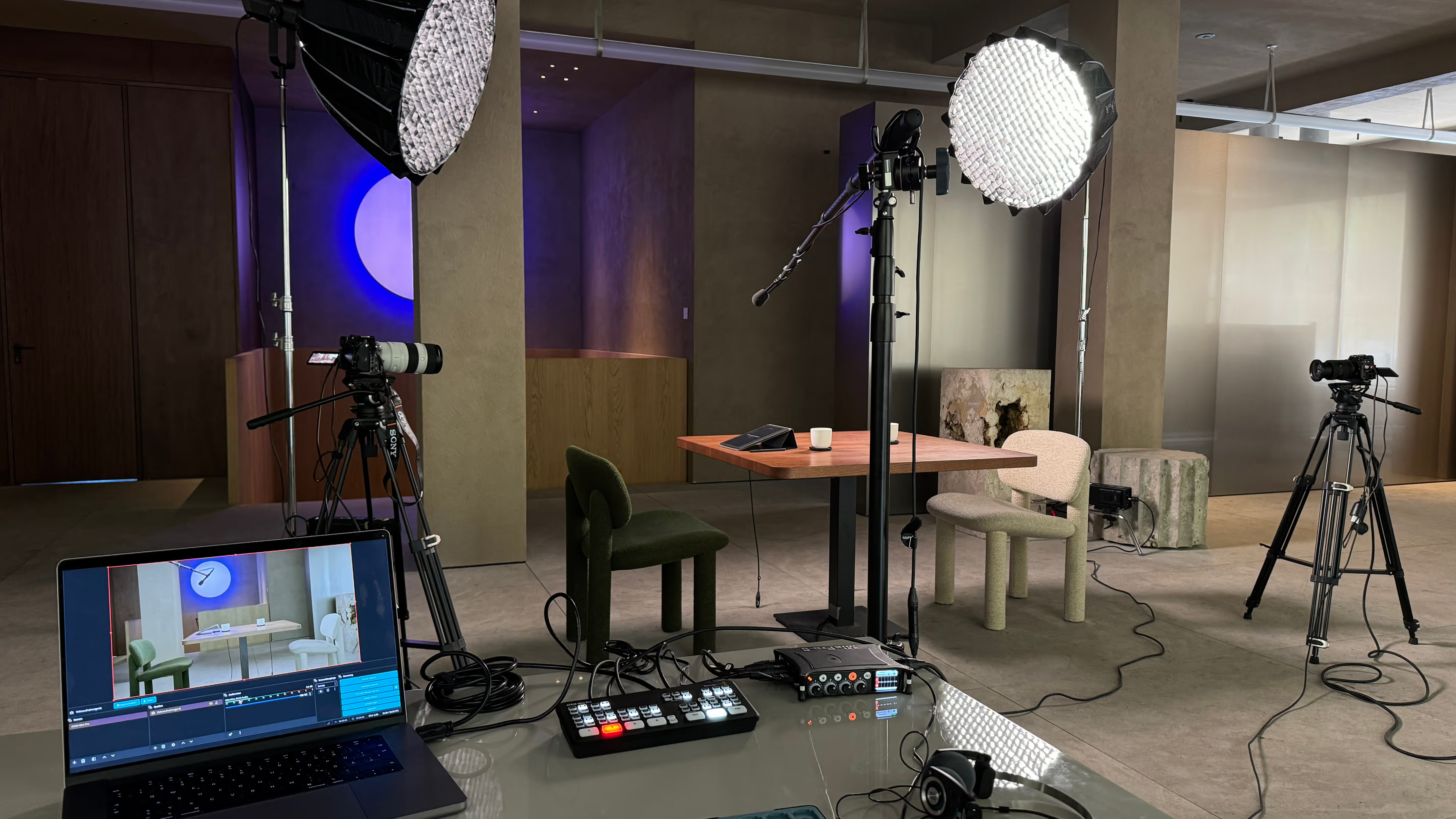
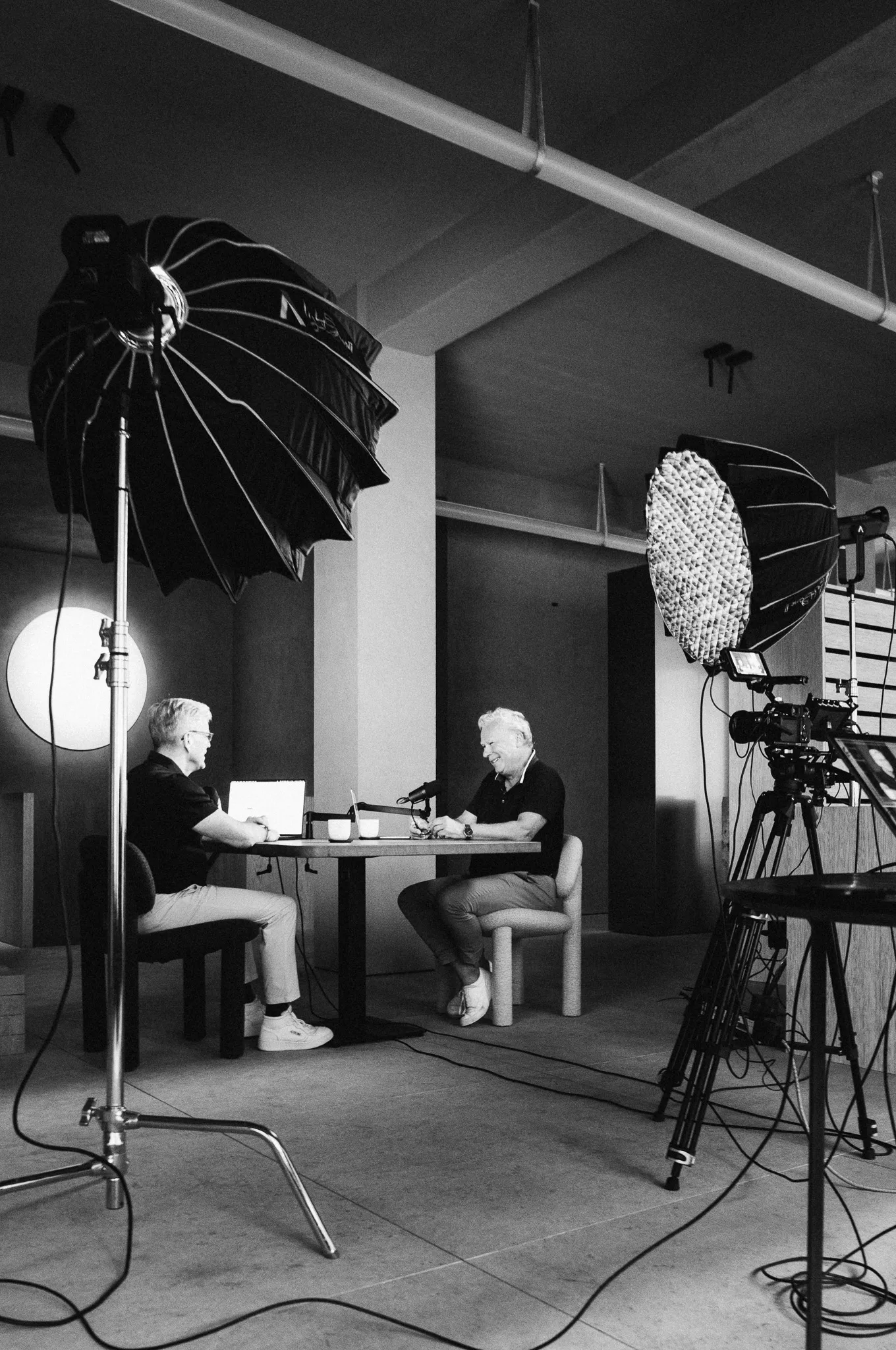
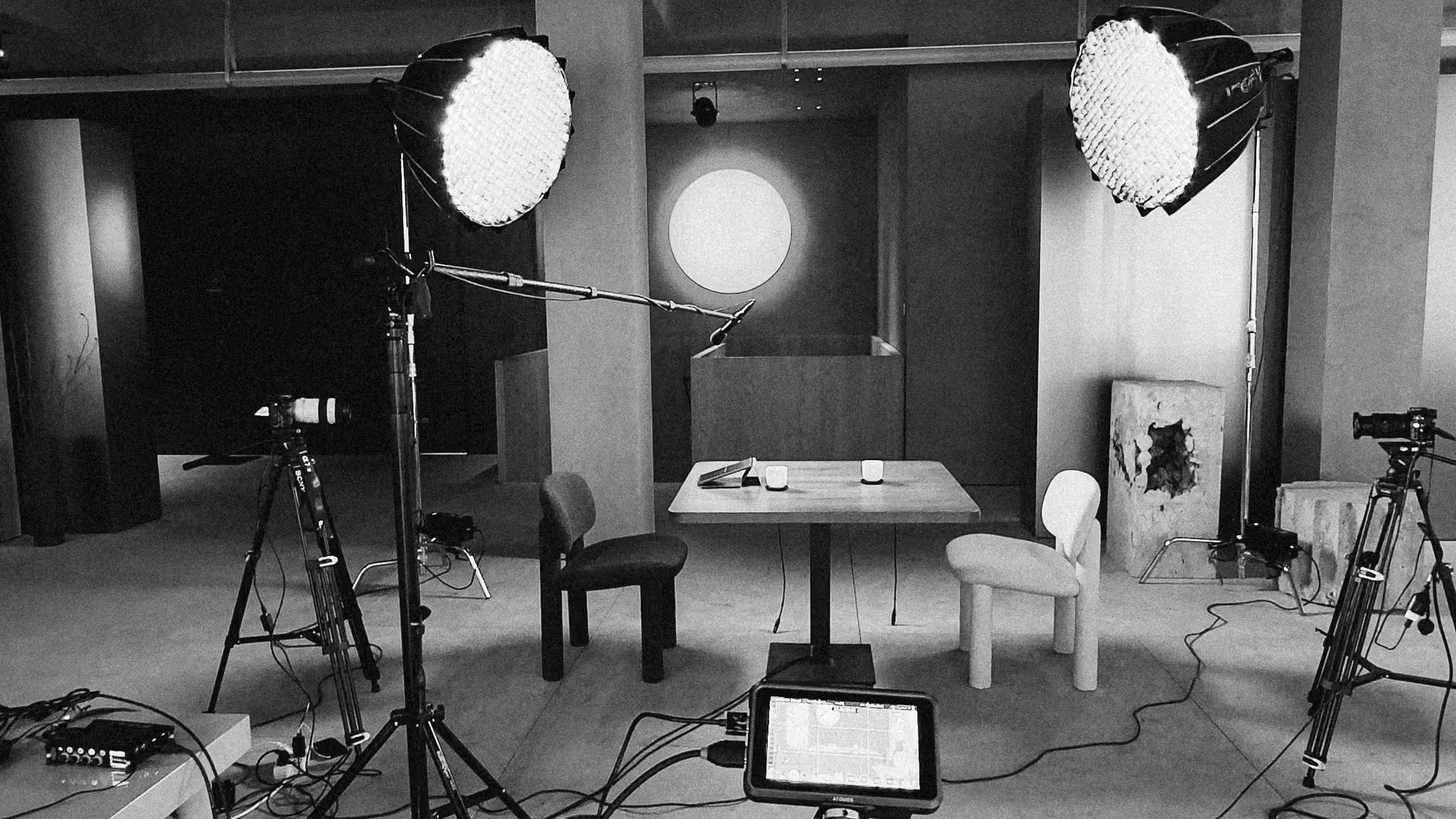
One strong video per week, posted from the founder's or managing director's personal profile and supported by text posts in between, is enough to build recognition with a defined audience. The leverage comes from producing in batches: one recording day with a good interviewer can produce a quarter of LinkedIn video.
FADETOBLACK produces LinkedIn video and interview formats for B2B companies in Munich, Paris and Barcelona, from the first recording day to a running series. Book a free initial consultation.
