














.jpeg)





.jpeg)









Let's Get to Work
=
INFO@FADETOBLACK.IO
=
LETS Tell Your STORY
=
INFO@FADETOBLACK.IO
=


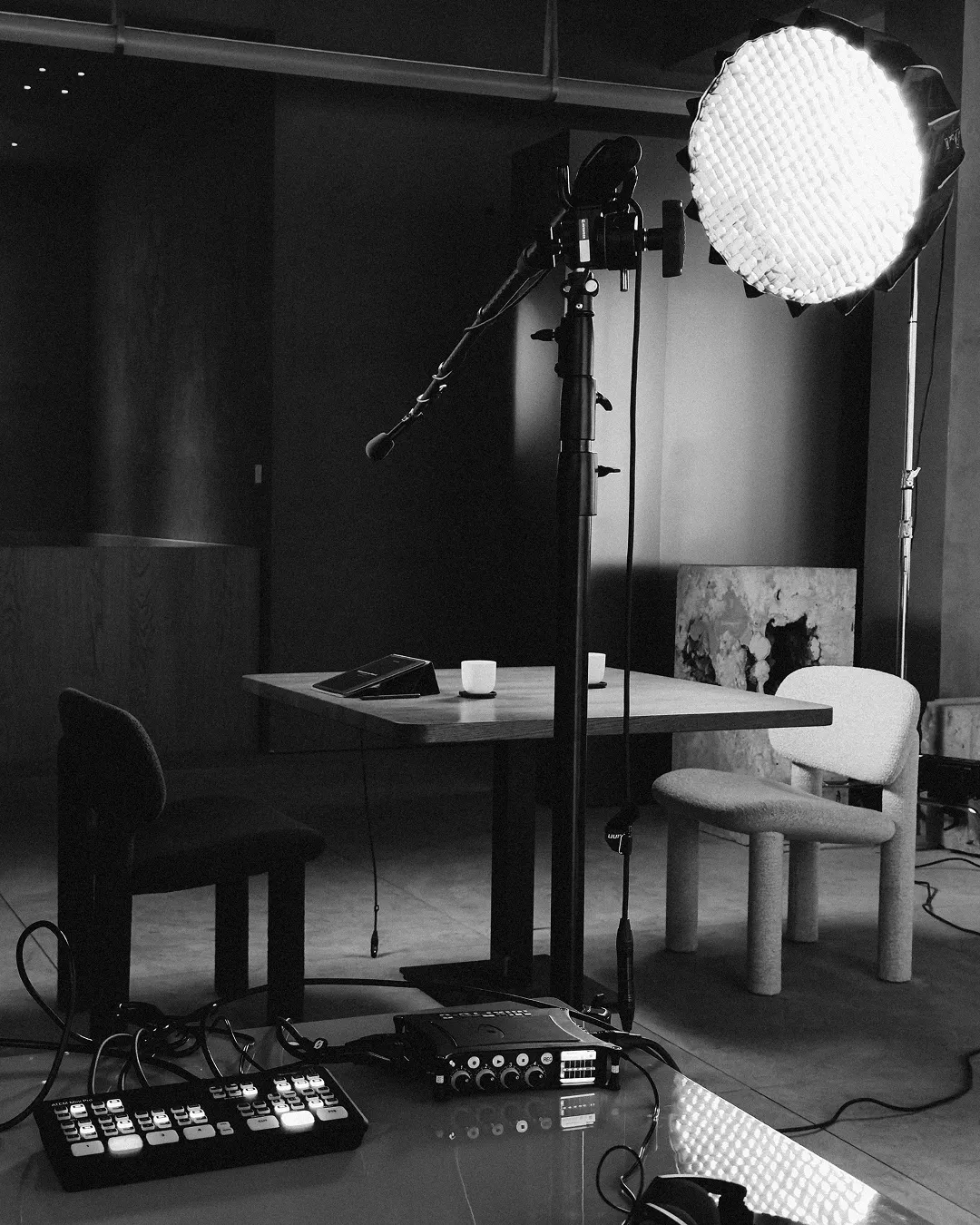
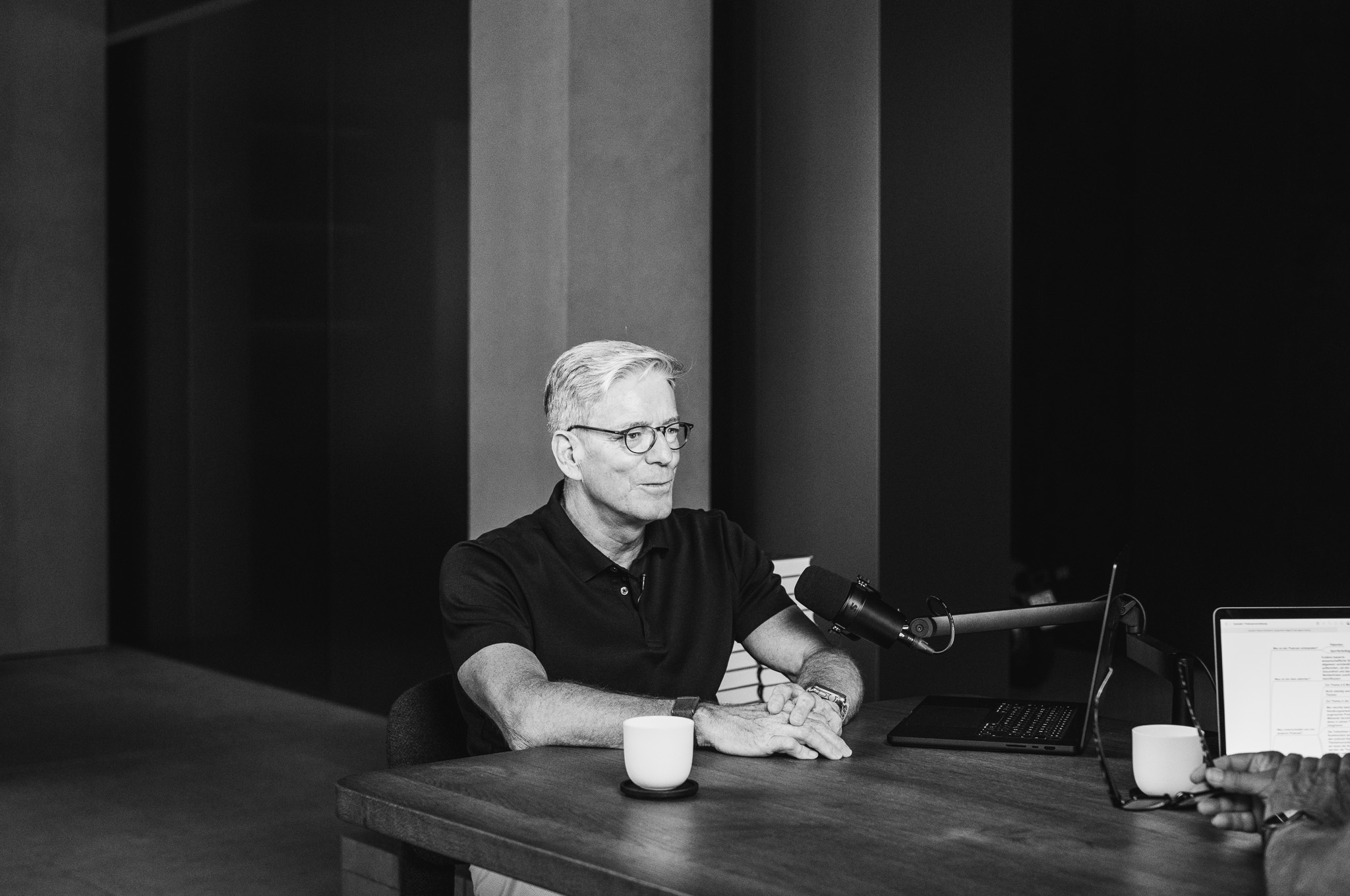
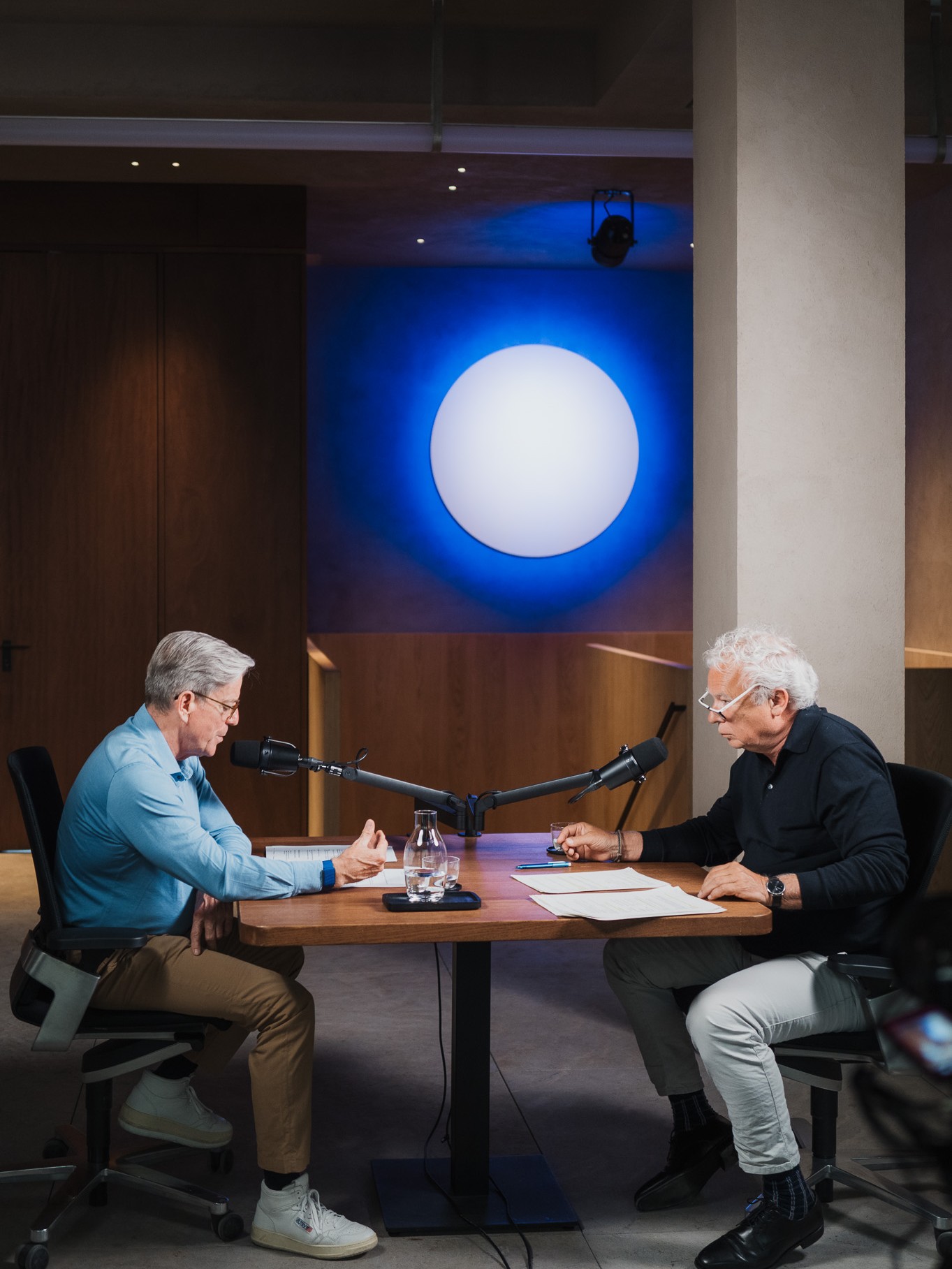
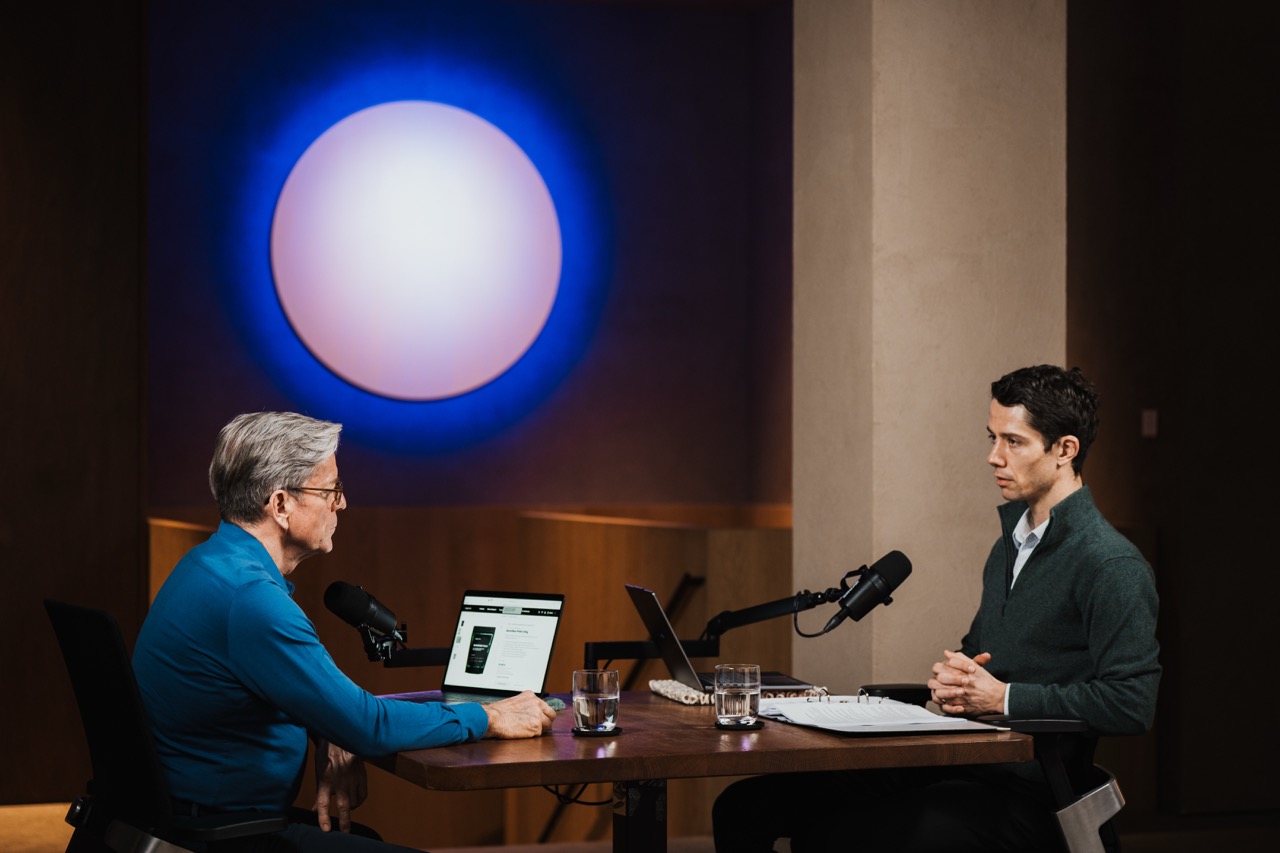
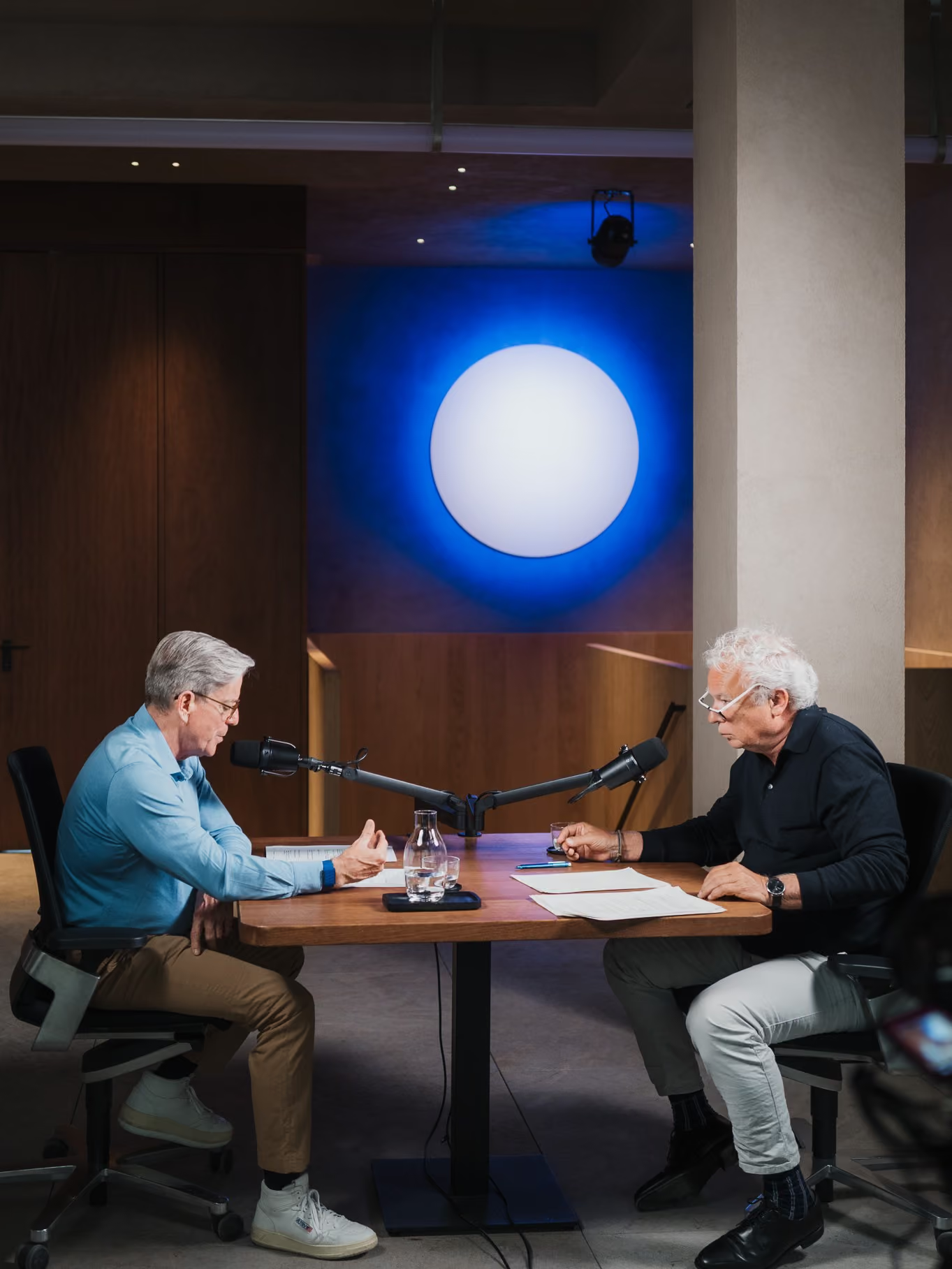
A single podcast episode of 45 to 60 minutes can realistically become around 15 pieces of content: six short vertical clips, two carousels, three quote graphics, a newsletter, a blog article, a LinkedIn text post and a behind the scenes story sequence. The condition is that you plan for it before you record, not after. An episode that was never designed to be cut up rarely gives you more than two usable clips.
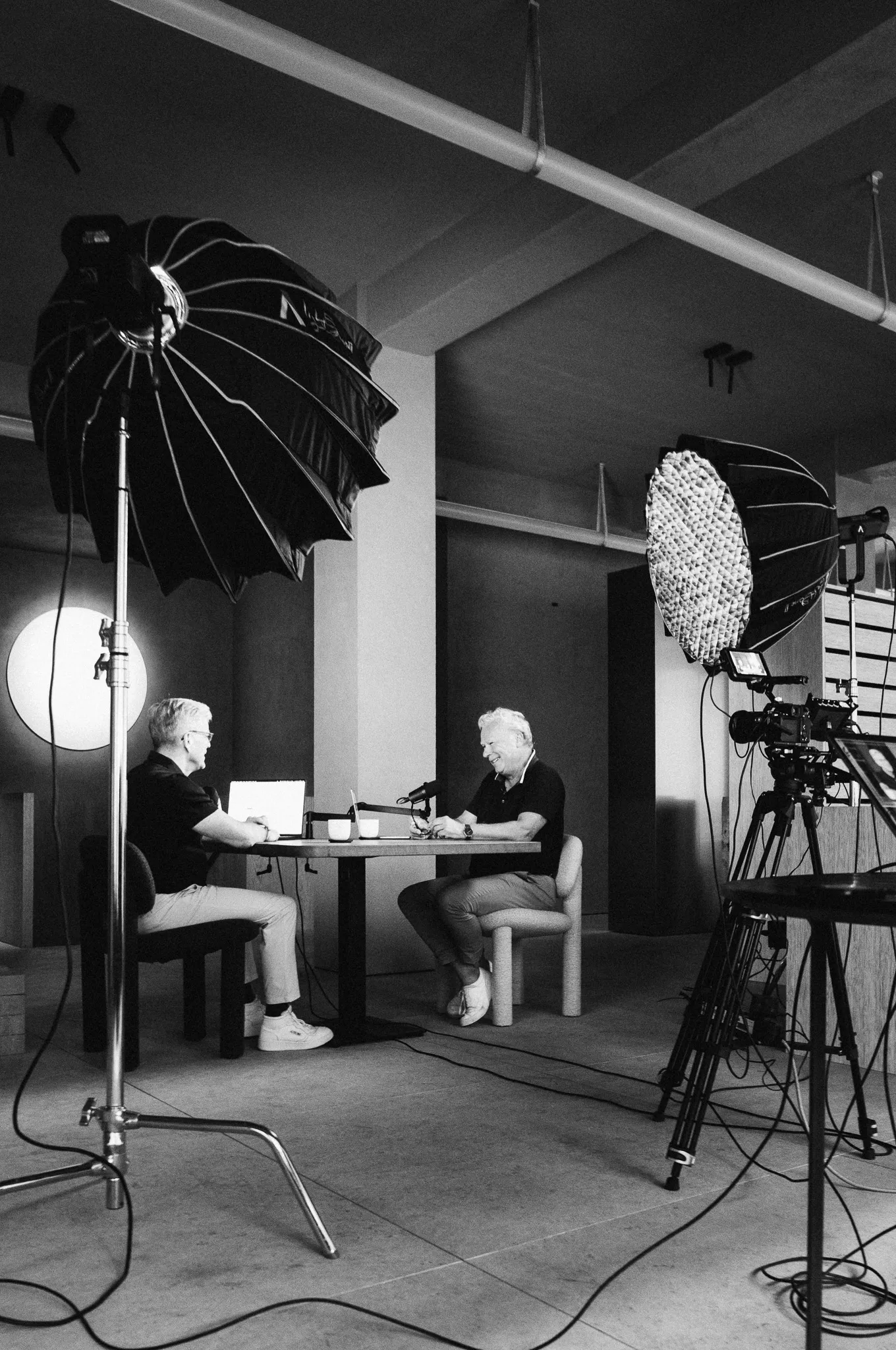
Most companies treat repurposing as an editing job. In reality it is decided in the studio. Three things make the difference:
Someone in the room notes the time codes of strong answers. That saves hours of searching in the edit.
Create a transcript, then pick clips and quotes on paper first. Selection is an editorial decision, not a technical one.
Edit all clips, carousels and graphics for one episode in one go. Switching between episodes costs more time than the editing itself.
Spread the pieces across the days until the next episode. Each piece points back to the full conversation, so the episode keeps finding listeners long after release.
Do not post the same clip on every platform with the same caption, and do not cut clips that only make sense with context. Every piece has to work for someone who has never heard of your podcast. If you are still setting up the format, our guide to starting a corporate podcast covers concept, recording and distribution, and How Much Content Does a Brand Really Need Per Month? shows how repurposed pieces fit into a monthly plan.
FADETOBLACK records, edits and repurposes corporate podcasts in Munich, from the studio day to the last quote graphic. Book a free initial consultation